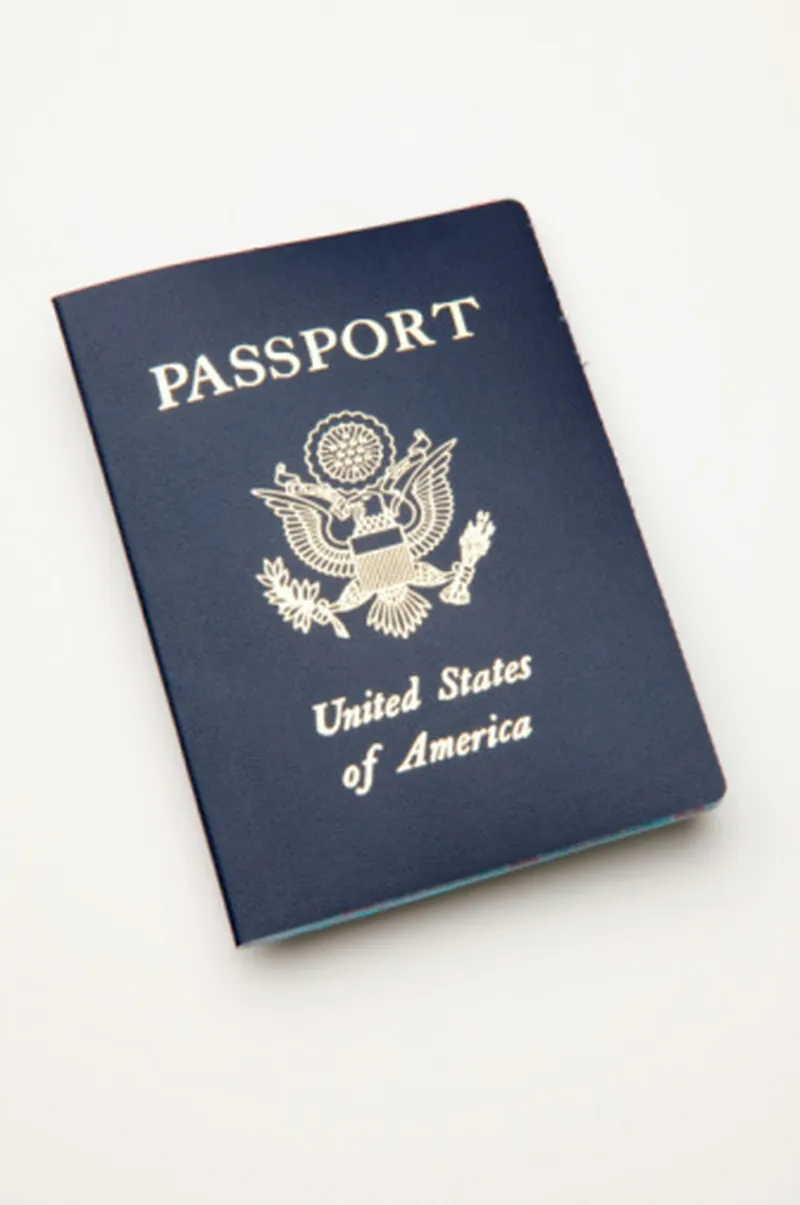
Do You Need to Provide Fingerprints for a U.S. Passport?
Although getting a U.S. passport might look like a bureaucratic maze, the actual process is fairly straightforward. You will need to submit specific documents and wait for processing, but most citizens can complete it without much trouble.
By Parker Green
Are fingerprints required to obtain a USA passport?
At first glance, securing a United States passport may appear to involve a daunting series of steps, yet in practice it is a fairly straightforward procedure. Certain documents must be provided, and you should allow time for processing, but on the whole it is something any citizen can manage without difficulty.
Fingerprinting Is Not Part of the Application
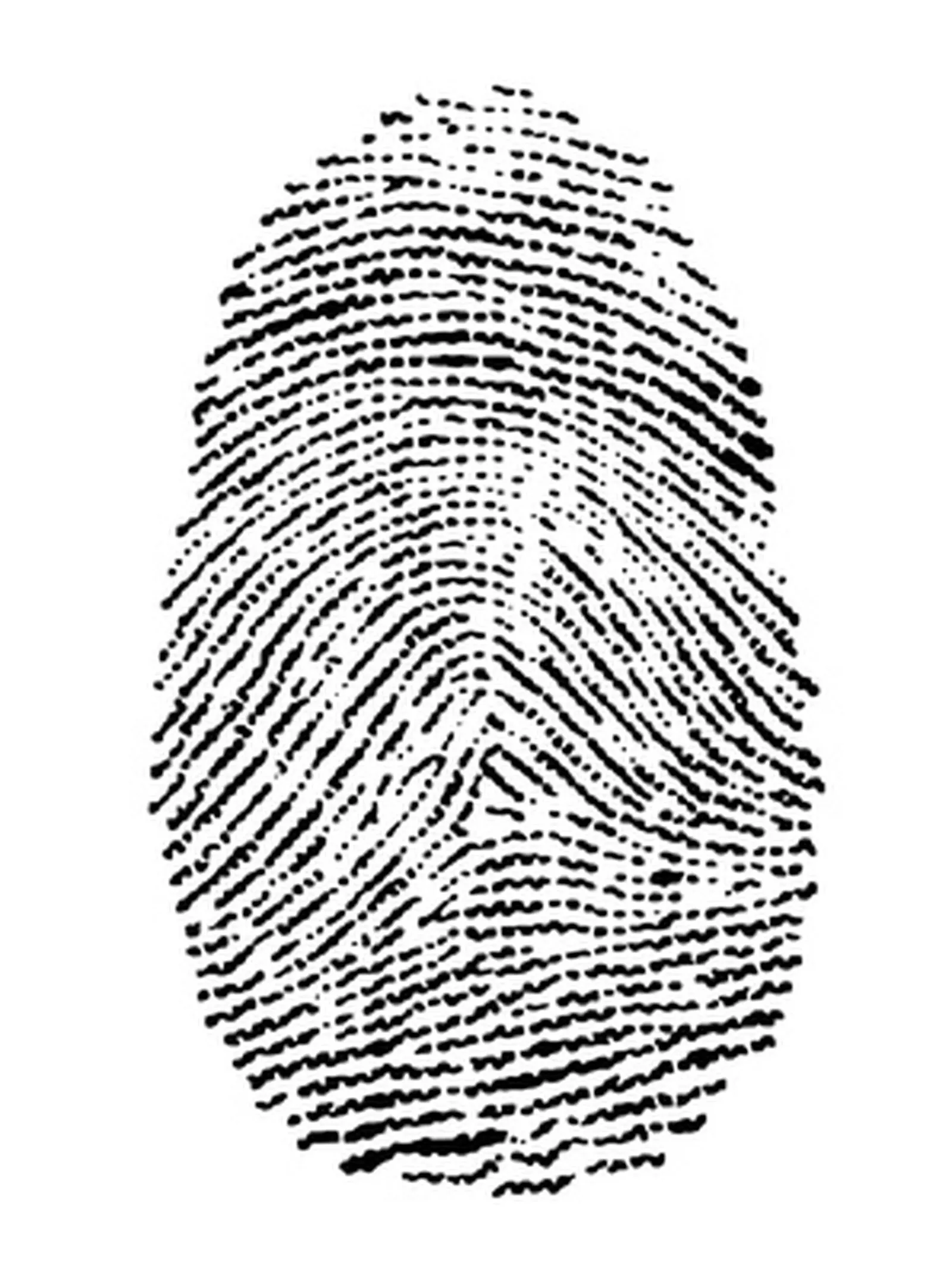
You don't need this to get a USA passport.
As of now, U.S. passport applications do not include any fingerprinting requirement. You must supply evidence of your citizenship, which can take the form of a birth certificate, a previously issued passport, a consular report of birth abroad, a naturalization certificate, or a certificate of citizenship. None of these documents are connected to a fingerprint.
How Your Thumbprint May Be Indirectly Associated
What is interesting is that the second piece of identification you provide is what could potentially tie your fingerprint to your passport. Depending on the method of application, you must present some type of photo ID, either as a photocopy or in person. Acceptable forms include a valid driver's license, a current government ID, or a current military ID. Each of these identification types is linked to your thumbprint.
Fingerprint Policies in Other Nations
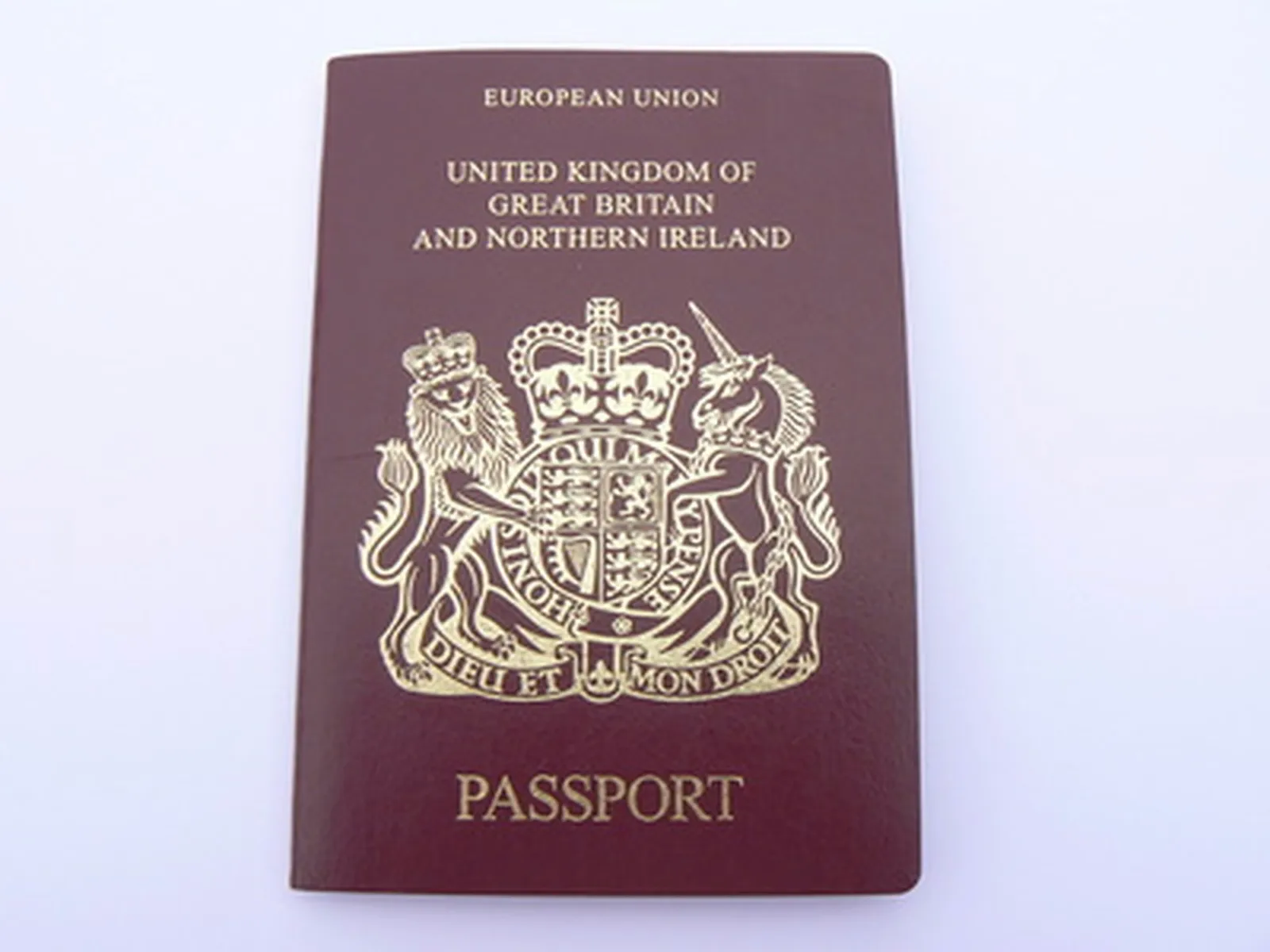
Other countries require fingerprints to secure a passport.
A number of other countries do mandate fingerprints for passports, but the United States is not among them at this time. Concerns have been voiced regarding privacy and identity theft when fingerprints are directly tied to passports. Some have argued that the indirect connection through city and state records to the fingerprints already on file for most citizens is sufficient, even though it involves only a copy of a person's thumbprint rather than a complete set.
The Shift Toward Electronic Passports
Electronic passports have been proposed as a way to achieve genuine fingerprinting. Every newly issued passport now contains an embedded electronic chip. This chip holds a copy of all the information printed in the passport as well as certain biometric markers, including facial recognition. The purpose of these chips is to help cut down on fraud by making the printed portion of the passport impossible to alter, since a scanner would always display the correct information on record.