Commercial Truck Border Crossing Into Canada: A Guide
Entering Canada by commercial truck has grown more complex due to tighter security measures, and a criminal record such as a DUI can create additional hurdles. Some carriers even require drivers on Canadian routes to obtain a FAST (Free and Secure Trade) card to speed up processing. Success at the border largely depends on having all documentation prepared in advance and following Canadian regulations for both the vehicle and the driver.
By Taylor Mitchell4 steps
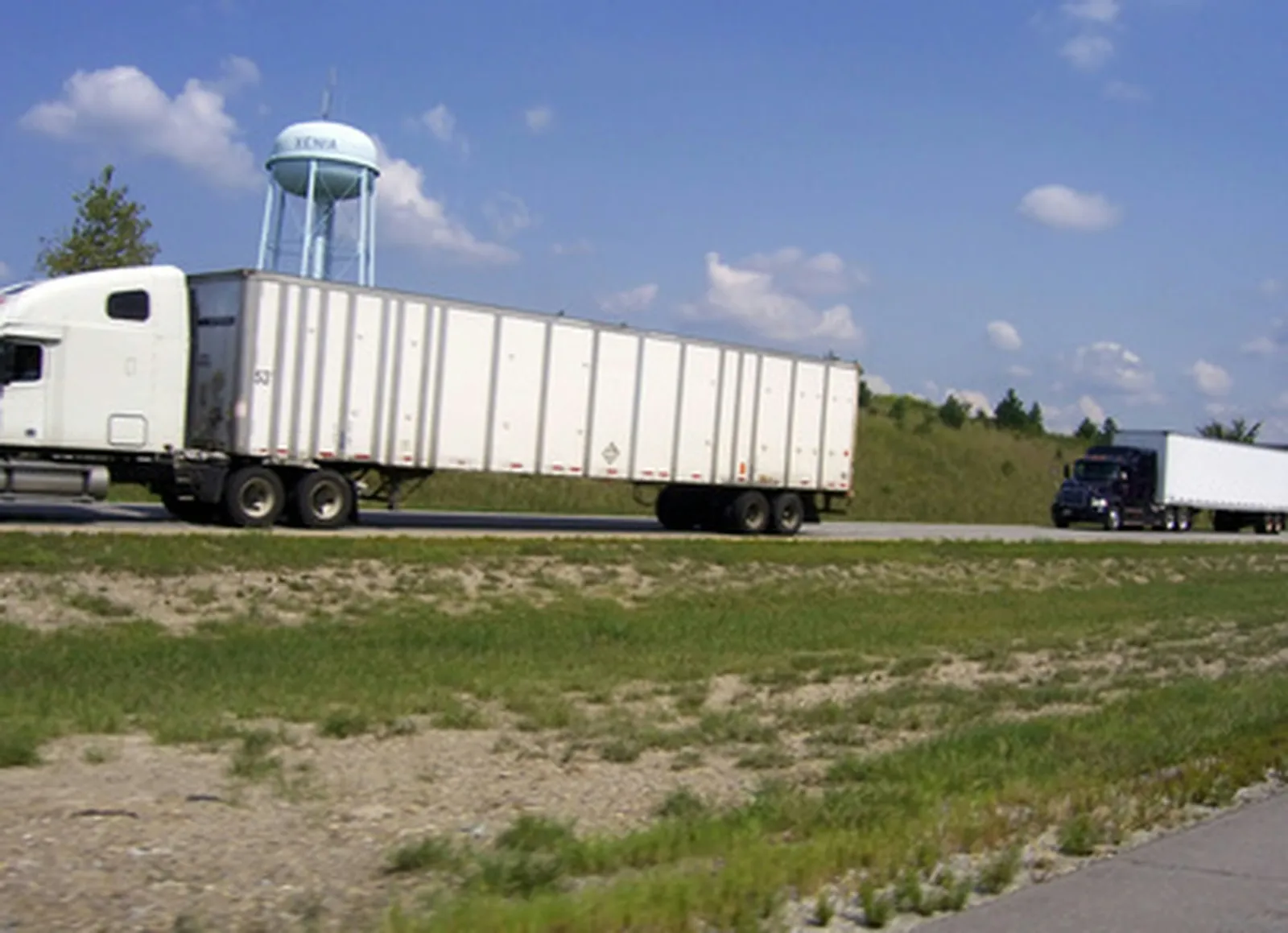
Commercial truck drivers crossing the Canadian border must follow immigration procedures.
Truck drivers heading into Canada have faced growing difficulties at the border as security rules have tightened in recent years. Drivers with DUIs or other criminal records encounter even more obstacles. In some cases, carriers hiring drivers for Canadian routes require a FAST (Free and Secure Trade) card to help move through the border more quickly. The most important things are to have your paperwork ready well before you arrive and to follow Canadian rules for both your truck and yourself.
Step 1
If you are not already enrolled in the FAST program, sign up. Drivers who expect to run routes into Canada or Mexico should join this program so that pre-authorized shipments can clear the border faster. You must complete an application and submit it at a FAST center. The Department of Homeland Security's CBP website provides further details and the application form.
Step 2
Look over all your documents no later than two hours before you reach the border. While doing so, get in touch with your Customs broker and forward the paperwork to him at that point. This can reduce delays once you arrive. Confirm that your documents are correct and determine whether your load will need a Customs inspection. Before you arrive, check that your truck meets the weight limits for entering Canada at the specific crossing you plan to use.
Step 3
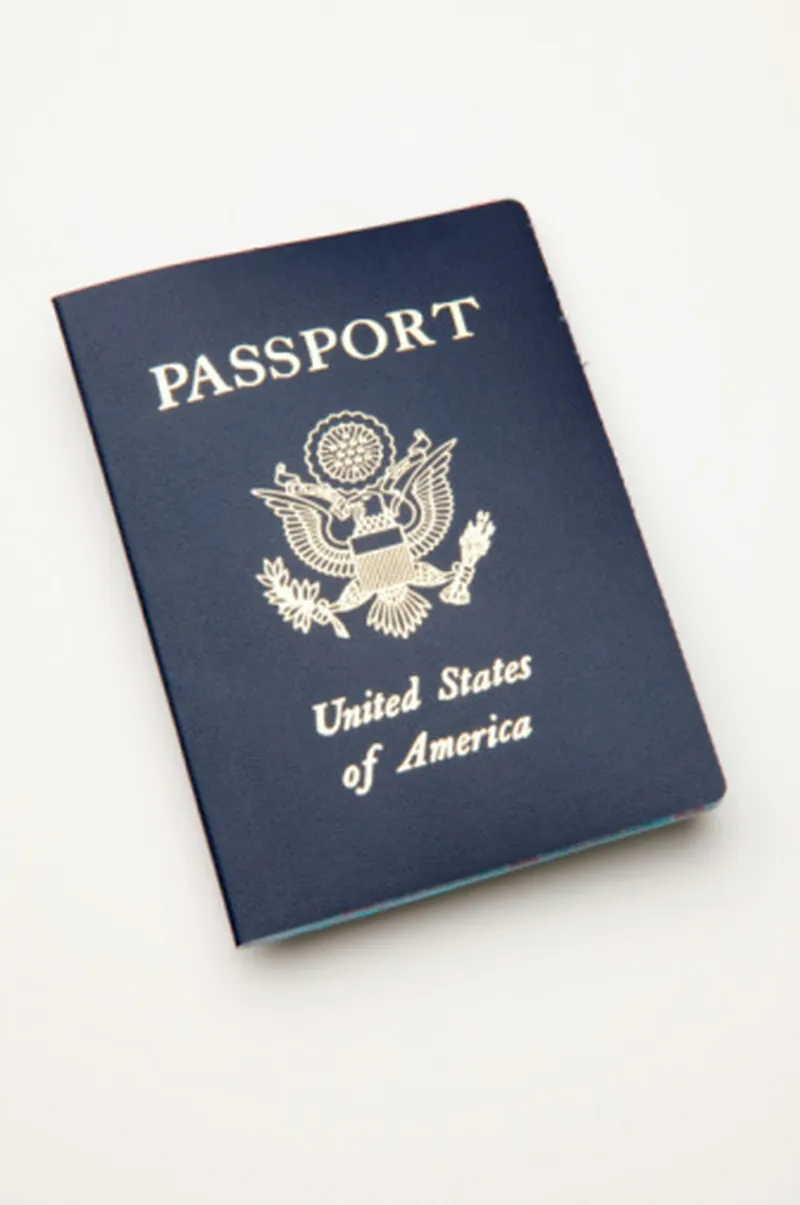
When you reach the border, pull into the "Primary Inspection" lane. Carry two forms of identification, ideally your passport and commercial driver's license. Keep any kind of weapon out of the vehicle, even something like pepper spray. All weapons are illegal in Canada, and a firearm could result in detention and prison. If your documents and situation are in order, the immigration official will likely allow you to enter.
Step 4
If the immigration official directs you to do so, move to the lane marked "Secondary Inspection." This typically occurs when your paperwork is incomplete or when your shipment needs a Customs inspection. From there, simply follow the signs reading "Truck Inspection." After your inspection is passed and the Customs broker is satisfied, you may continue into Canada.