Preparing Your Catch for Air Travel: A Step-by-Step Guide
Flying home with fresh fish is possible on commercial airlines when the catch is packaged and sealed correctly. Depending on TSA rules, you can bring seafood in the cabin or check it in, letting the airline handle the rest.
By Taylor Miller4 steps
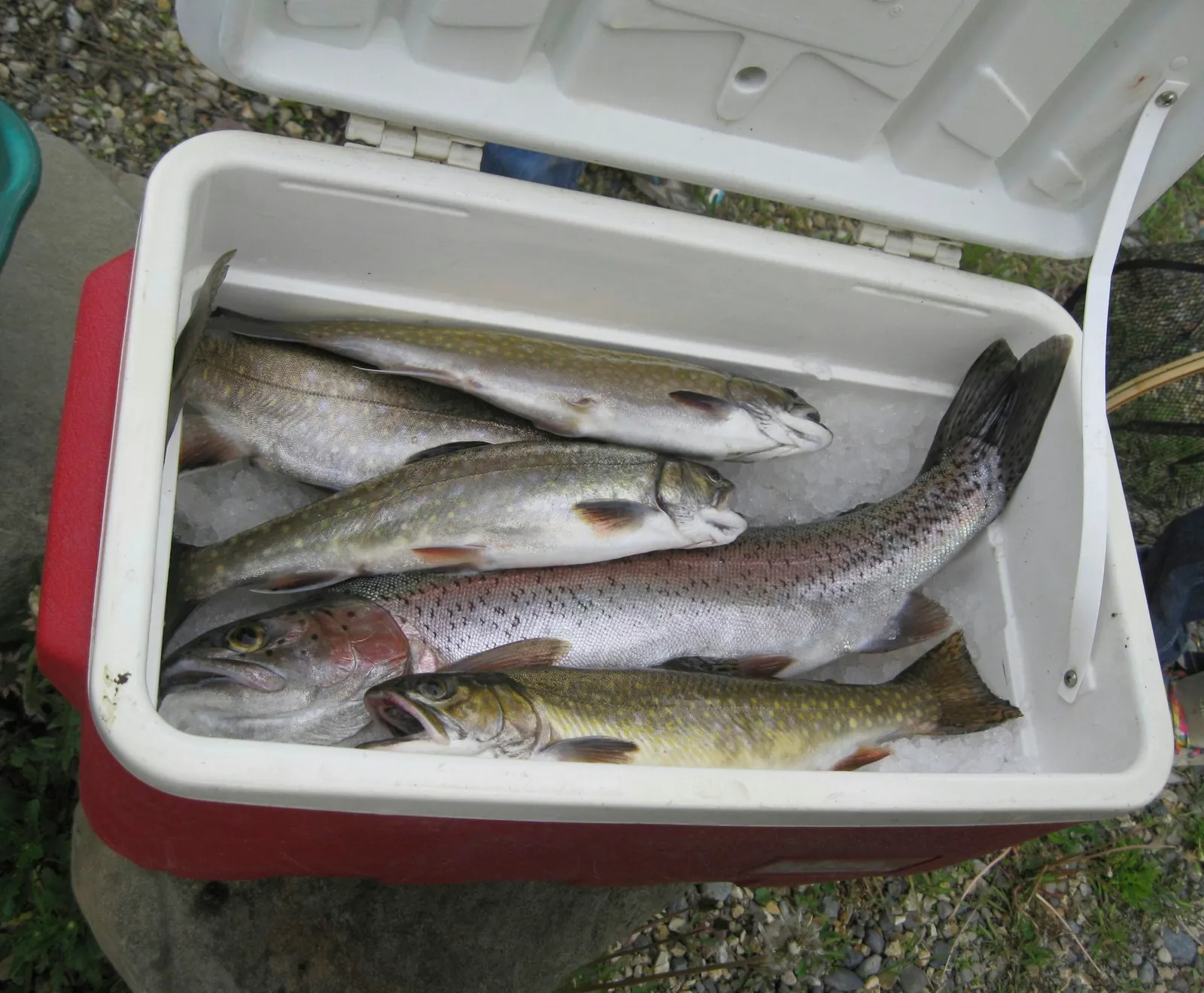
A sturdy cooler can safely hold fresh fish for a flight.
If you want to take your fishing catch home on a commercial flight, airlines have set procedures that make it fairly straightforward, provided the fish is packed and sealed properly for the trip. You have two options: bring seafood into the cabin if it complies with TSA rules, or check your catch and let the airline manage it.
Step 1
Enclose the fish in plastic or another waterproof material. If the fish portions are small or medium, put them in a resealable plastic freezer bag and check that the zipper is fully closed. When you have a larger haul, use heavy plastic that resists tearing, particularly for fish with fins, and seal it with waterproof tape like duct tape.
Step 2
Once sealed, freeze the fish completely. Take it out of the freezer only right before you pack it so it stays preserved while traveling. For a short trip, you won't need extra ice. On longer journeys, or if you prefer not to freeze the fish because it might alter the flavor, surround it with dry ice, frozen water bottles, or frozen gel packs. It's best to avoid loose ice, since some airlines prohibit it in checked or carry-on bags. If you bring your luggage into the cabin, TSA will not permit partially thawed freezer packs or ice. The FAA limits dry ice to 5.5 pounds for both checked and carry-on luggage; any package with dry ice must be built to let carbon dioxide escape and must be labeled clearly with "carbon dioxide solid" or "dry ice" and the weight of the dry ice.
Step 3
Place the sealed fish bags and any refrigerants in a strong plastic cooler or watertight container with a lid. The outer box should not be Styrofoam, because it isn't sturdy enough to handle being moved and stacked, although Styrofoam can serve as insulation on the inside. Alaska Airlines suggests a standard seafood shipping box, which the airline can easily handle and stack. If you are checking your fish, secure each box with at least two strong plastic bands or duct tape so the lid stays tightly closed and watertight during the trip. Put your name, address, and the weight and type of fish inside on the container in clear writing.
Step 4
Contact your airline in advance and let them know you'll be flying with seafood. Some airlines require this notification. Others might apply overweight or oversize fees for large amounts of seafood, or count your seafood toward your checked luggage allowance. Talk through these specifics with the airline before you get to the airport.