Navigating Atlanta Airport's Luggage Policies: What Travelers Need to Know
Passengers flying out of Hartfield-Jackson Atlanta International Airport must follow Transportation Security Administration regulations for carry-on and checked baggage, in addition to whatever policies their specific airline enforces. Being aware of these rules ahead of time can help travelers avoid delays and unexpected fees when packing.
By Parker Rivera
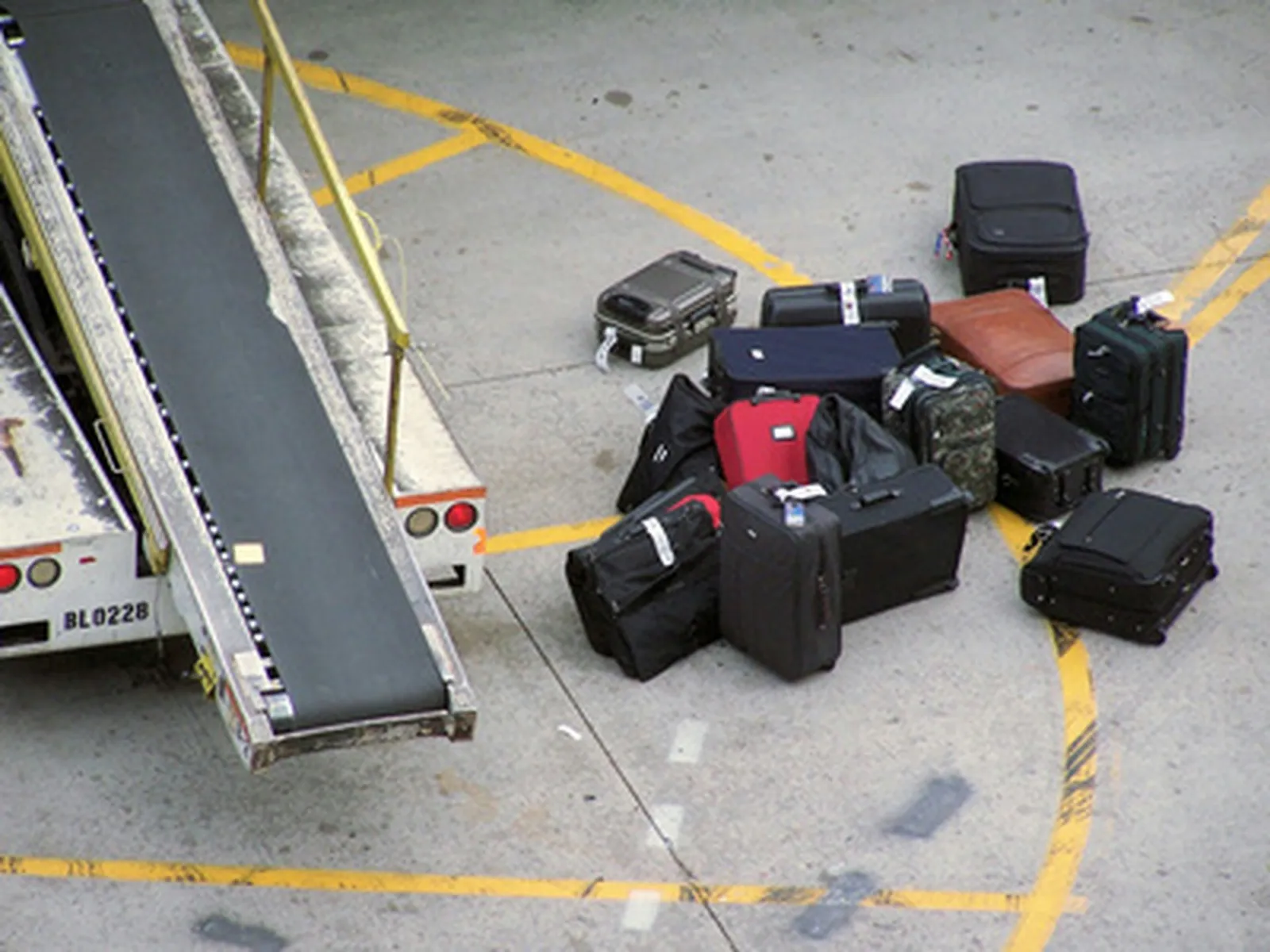
All luggage is screened by TSA for prohibited items before being loaded onto planes.
For travelers passing through Hartfield-Jackson Atlanta International Airport, the Transportation Security Administration governs security procedures, just as it does at other airports across the United States. The TSA establishes which items may be brought in carry-on luggage and which are forbidden, aiming to maintain uniform safety standards. When preparing for a trip, passengers at Atlanta's airport need to account for both TSA regulations and the specific rules set by their chosen airline.
What You Can Bring in Carry-On Luggage
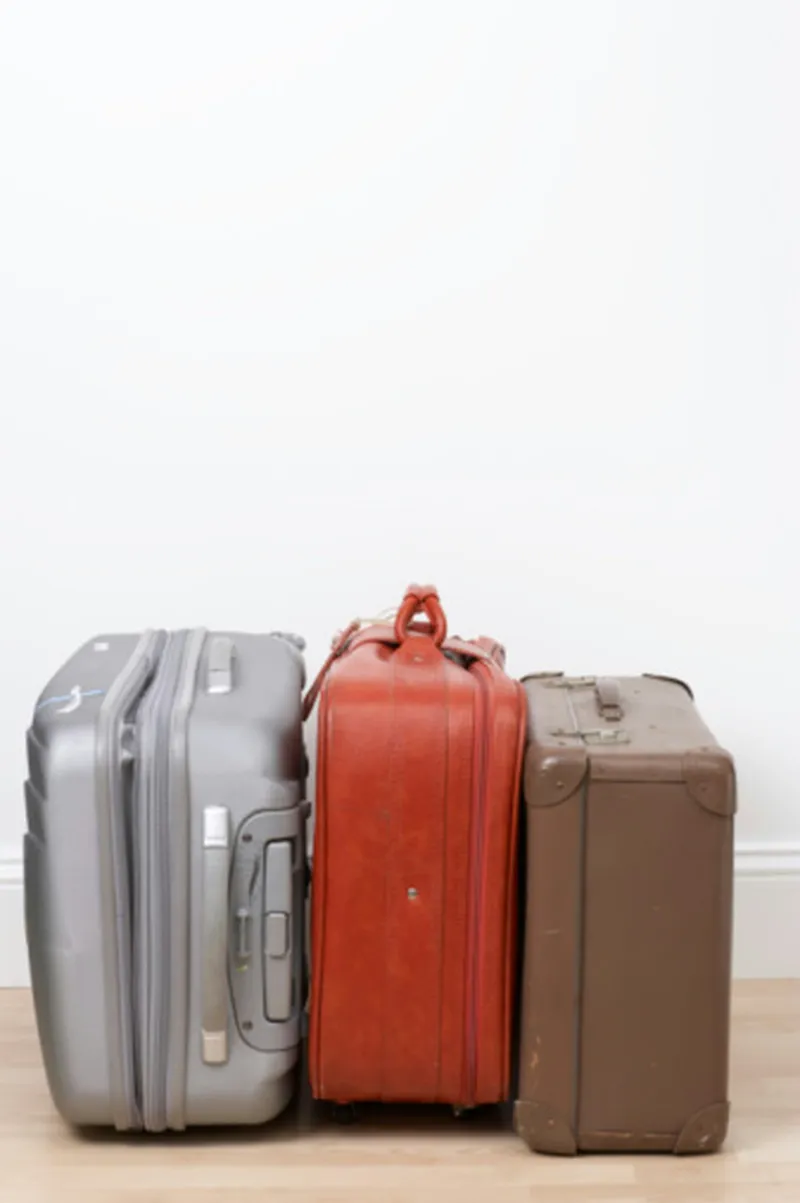
Airlines differ on how many carry-on bags each passenger may bring, though the typical allowance consists of one carry-on bag plus one personal item such as a purse, tote, or laptop case.
Large containers of liquids, gels, or aerosols are not permitted in carry-on luggage. Travelers may pack bottles of liquids and gels that are 3 ounces or smaller, all placed within a single clear, quart-sized plastic bag. This bag must go into one carry-on bag rather than being split between the two carry-on items, which helps streamline the screening process.
With reasonable quantities, passengers may also bring medicine, baby food, breast milk, and juice, provided they declare these items at check-in.
Other items permitted for carry-on include wheelchairs, jackets, umbrellas, and food or drinks bought within the airport.
Items That Are Not Allowed
Under TSA rules, travelers may not pack the following in their luggage: sharp objects such as knives, ice picks, and scissors; sporting equipment including baseball bats and golf clubs; guns and firearms, including realistic replicas (though some airlines permit ammunition); tools like hammers and drill bits; martial arts gear such as brass knuckles and nunchucks; explosive materials including dynamite and fireworks; flammable items such as aerosol cans, gasoline, and lighters containing lighter fluid; disabling chemicals like chlorine; and assorted gel-type items such as candles or shoe insoles.
These restrictions apply to both carry-on bags and checked luggage. In some cases, passengers may arrange to transport items such as golf clubs or baseball bats by contacting their airline ahead of time.
Securing Your Baggage
To prevent TSA agents from having to break your lock during luggage screening, consider purchasing a bag made by certain manufacturers. The TSA collaborated with major luggage companies to develop master locks that agents can use, allowing them to open your bag without damaging your lock.
Size and Weight Limits
While permitted bag sizes differ among airlines, most carriers require carry-on bags to be a certain size so they fit in the airplane's overhead bins. Delta, for instance, caps carry-on bags at 45 inches in combined length, width, and height.
In addition, most airlines provide Carry-On Baggage Checks, and carry-on items must fit within them.
Most major airlines also state that checked baggage must not weigh more than 50 pounds and must not exceed 60 inches in combined length, height, and width. In nearly all situations, you will face an additional fee or fees for extra bags or for bags that are oversized, meaning too heavy or too large.
Declaring Baggage Value
If you decide to declare your baggage to safeguard valuables, be aware that most airlines set liability limits, which means the carrier will not be responsible for amounts exceeding a certain valuation.
Rules for Checked Bags
Passengers on most major airlines may not check more than 10 bags per flight, though the airline may impose a lower limit if a flight is especially full. Frequently, the fee charged for each checked bag rises as the number of bags increases.