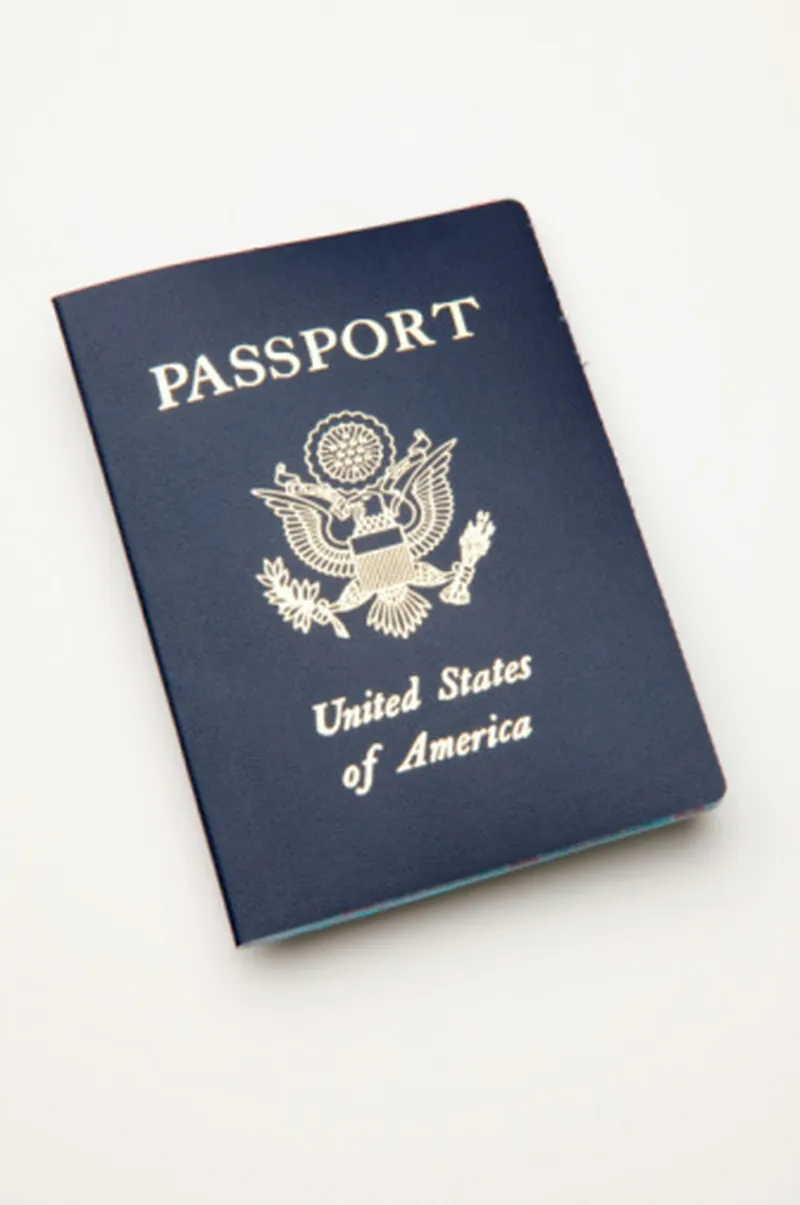
What the U.S. Passport Application Form Asks You
U.S. passport forms collect details that verify who you are and whether you qualify for a passport. Eligibility is limited to American citizens and non-citizen U.S. nationals from the Pacific territories. Political and religious ties, along with past travel, are not part of the questionnaire. Every answer must be honest, since deliberately making false statements on a signed federal document may result in a fine, jail time, or both.
By Hayden Bailey
The purpose of the questions on a U.S. passport application is to confirm two things: your identity and whether you are entitled to a passport. American citizens and non-citizen U.S. nationals -- people residing in U.S. Pacific territories -- are the only ones who can obtain U.S. passports.
Political or religious affiliation is never requested on the form, nor does it inquire about where you have traveled. Every question should be answered honestly; if you knowingly put false statements on a signed federal document, you could face a fine, imprisonment or both.
Basic Details
Your full name, date of birth, sex, place of birth, Social Security number, mailing address and phone number are requested in the opening section of the application. An e-mail address is optional, so you can include one only if you wish.
Names, Parents and Citizenship
Any names you have used besides your present one need to be listed, with a short explanation. The form also requires the names, birth dates and birthplaces of your mother and father, and asks whether each of them was a U.S. citizen
Physical Description and Marital Information
Details such as your height, hair color and eye color, as well as your occupation and employer, are requested. If you are or have been married, you need to give the name of your current or most recent spouse, that person's birth date and the date of your marriage. When a spouse has died or the marriage has been formally ended, you must supply the date of the death or the dissolution.
Emergency Contact and Trip Plans
You are asked to name someone who is not traveling with you, to be contacted in an emergency. The form also calls for a description of your travel plans -- the date, how long the trip will last and which countries you intend to visit. Lastly, it asks whether a passport has ever been issued to you and, if so, what became of it.
Signing the Form
Your signature is required on the application -- however, you should not sign until a U.S. passport office tells you to do so.
Applications cannot be submitted online or by mail. They must be delivered in person to a passport office, together with documents that establish your identity and citizenship. The application itself lists what those documents must be. For a child under 16, a parent or legal guardian must sign the form and bring the child to the passport office. Both parents are generally required to appear and sign, unless one parent can show sole legal authority, or the other parent supplies a notarized statement agreeing to the passport's issuance.