When Crossing State Lines, Check Rules Before Packing Fresh Produce
Bringing your own fresh fruit along on a trip can help you eat well and resist less healthy roadside snacks. Even so, certain states — Florida and California among them — bar travelers from carrying particular fresh fruits across their borders.
By Harper Young
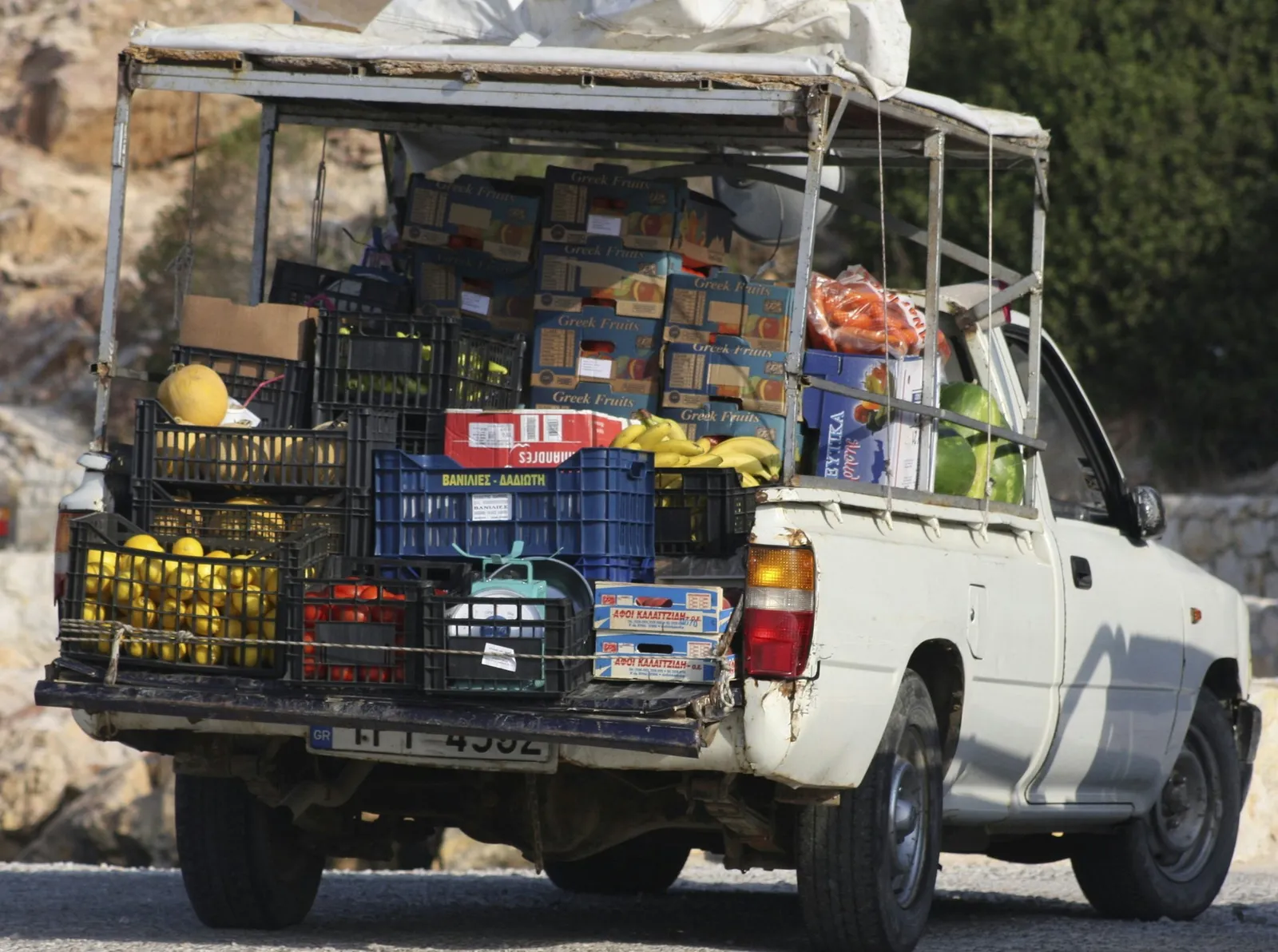
Small truck with fruit in the back.
Plenty of people hitting the road pack their own healthy snacks, including fresh fruit, to eat along the way. That approach generally works well, since an apple or an orange can support good eating habits and reduce the appeal of junk food picked up at gas stations. Even so, a number of states — Florida and California are two examples — have rules that bar travelers from bringing specific types of fresh fruit into their territory.
How States Regulate Fruit Imports
Each state decides for itself what limits to place on fresh fruit arriving from elsewhere. As of 2011, California, Florida and Texas were among the states restricting the entry of particular fruits, including citrus and berries, from other states. Florida, for its part, operates 23 agricultural inspection stations on state highways, where both commercial and private vehicles may be checked. Elsewhere, inspections tend to focus on commercial haulers, though a police officer could still ask you questions during a traffic stop. Breaking a state's import rules may lead to a fine on top of having the fruit taken away.
Why These Rules Exist
States impose these bans on certain fresh fruits from other states to keep diseases from spreading and endangering the local agricultural sector. Take Florida: its Department of Agriculture and Consumer Services website notes that the state's agricultural industry generates several billion dollars each year. Citrus fruits, for instance, are particularly susceptible to disease, which is why the United States Department of Agriculture has called on Americans to keep citrus trees and fruits from being moved off their property. Citrus disease problems affect California, Arizona, Texas, Louisiana, Alabama, Mississippi, Georgia, South Carolina and Florida.
Before You Travel
Anyone crossing state lines or taking a trip should look up that state's rules on bringing in fresh fruit. State department of agriculture websites are the most reliable source for this. Should the state restrict the fruit you had planned to bring, leave it behind rather than packing it. If you still want that fruit, you can likely buy it once you arrive — at a roadside stand, farmers market or supermarket — instead of carrying it with you, which spares you time and hassle.
Bringing Fruit as a Gift
When fruit is meant as a present for someone in another state — a fruit basket or a bag of fruit, say — leave it in its original packaging. The USDA may take fruit that is not in its original packaging, since the agency cannot determine where it came from. If there is no label showing the fruit's origin, hang on to your receipt so you can show where you bought it, in case an airport official or a police officer who pulls you over asks about it.