How a Faulty Fuel Pump Diaphragm Manifests
Older vehicles commonly used mechanical fuel pumps that relied on a rubber diaphragm to draw gasoline from the tank and deliver it to the engine. When that diaphragm is compromised, the pump may stop working correctly or stop entirely. Electric fuel pumps, by contrast, are usually installed inside the gas tank or along the fuel line in modern cars.
By Kai Murphy
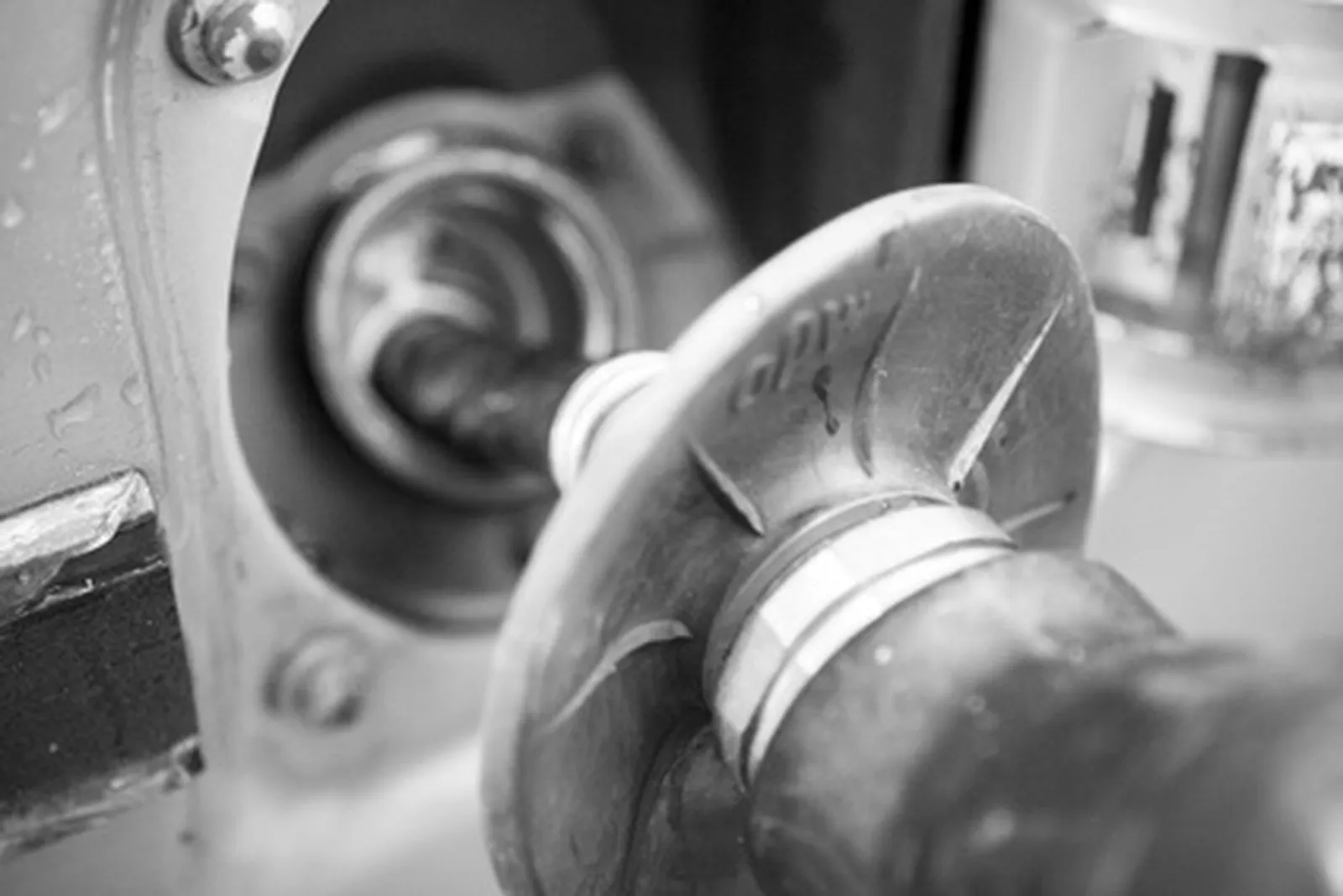
Getting gas to the engine from the gas tank is the job of the fuel pump.
In many modern cars, an electric fuel pump is used, installed either within the gas tank or in line with the fuel line. Older vehicles, however, generally came with mechanical fuel pumps attached to the engine. These mechanical pumps depended on a rubber diaphragm to draw gasoline out of the gas tank and force it toward the engine. If the diaphragm is damaged or deteriorates, the mechanical fuel pump may no longer function as intended or may quit working altogether.
Leaking
When a fuel pump's diaphragm is defective, it may be torn or may have holes worn through it. Such tears or holes let fuel slip past the diaphragm and leak out of the pump housing. Signs of a leaking fuel pump include fuel droplets or puddles beneath the vehicle and a pronounced gasoline odor while the engine is running. A leaking diaphragm is likely to eventually give out completely, which can cause the engine to stop suddenly.
Stalling
A diaphragm that has gone bad reduces the fuel pump's ability to generate the fuel pressure needed for the engine to run properly. With lower fuel pressure, less gasoline reaches the engine, leading to fuel starvation and an air-fuel mixture at the carburetor that is too lean. The eventual outcome is hesitation and stalling while driving.
No Starting
If a fuel pump diaphragm is severely damaged, it will not be able to pump fuel at all, resulting in a complete loss of fuel pressure and no gasoline being delivered to the engine. Consequently, there is no fuel to create the correct fuel-air mixture, and no combustion occurs inside the cylinders when the engine is cranked. The final result is an engine that turns over but does not start.