Applying Joint Compound to Textured or Painted Walls: What You Need to Know
Joint compound, often referred to as "mud," can be spread over existing surfaces to eliminate unevenness or create a fresh texture. While it sticks to most porous materials, certain surfaces require preparation beforehand.
By Taylor Evans
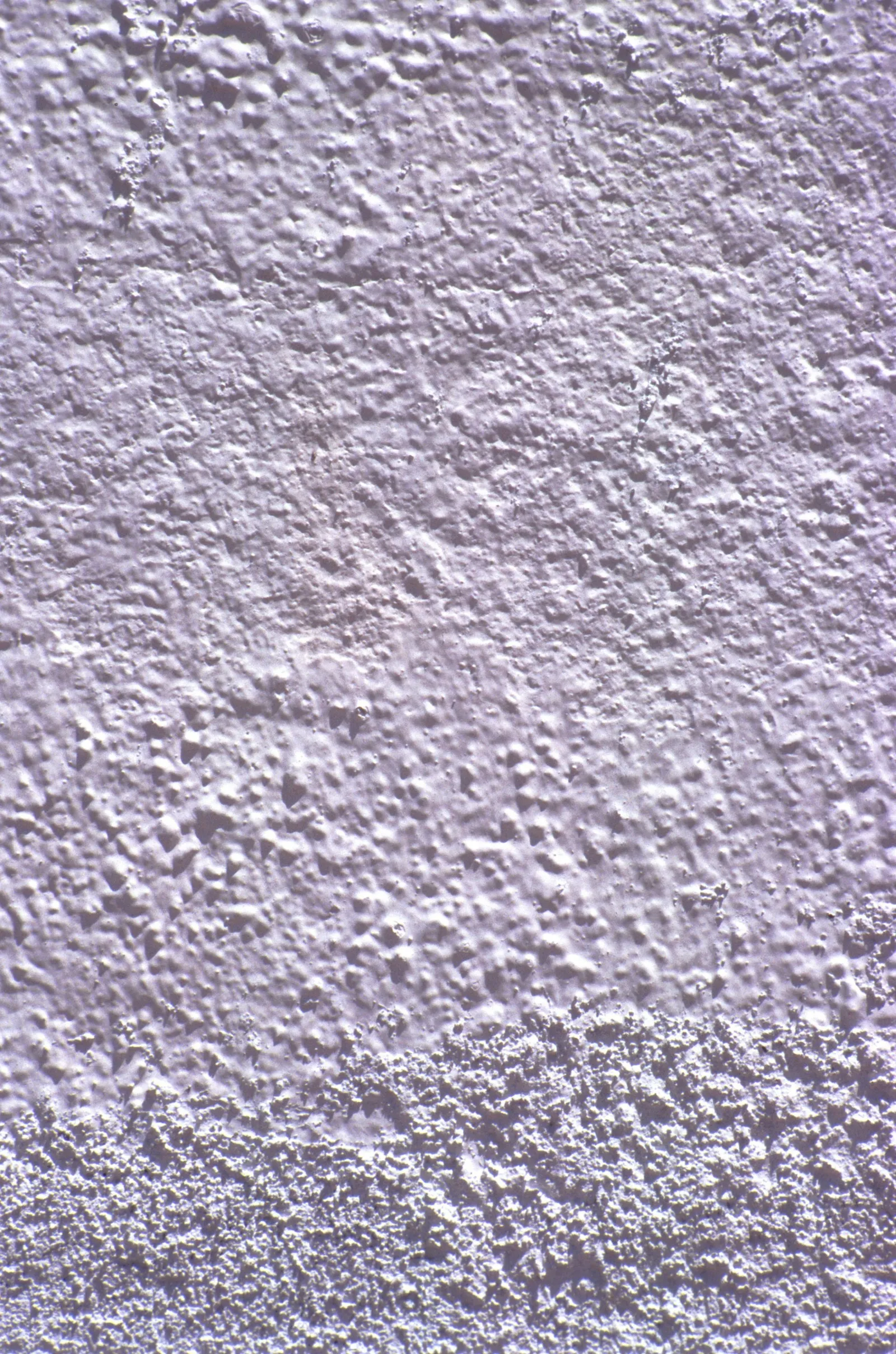
Remove the sheen from glossy paint before applying compound.
Joint compound, commonly known as "mud," has a useful property: it can be spread over walls that are already finished to eliminate bumps and rough spots, or it can serve as a fresh texture. When wet, this material bonds to most porous surfaces, though some situations call for preparatory steps before application.
Walls Previously Coated with Paint
Joint compound typically sticks to surfaces painted with flat or matte finishes. On the other hand, surfaces with glossy paint, enamel, or moisture-resistant coatings—such as paint made for bathrooms—might not grip the compound as firmly. When dealing with a glossy painted wall, you can lightly sand the surface to dull the shine, or apply a liquid sanding product to eliminate the gloss prior to spreading wet compound.
Peeling or Flaking Paint
Paint that is already detaching can undermine a fresh layer of joint compound in the same way. The first step is to scrape or sand away any loose fragments. Because moisture is what makes paint peel, any leaks or dampness issues should be resolved before the new compound goes on. If yellow discoloration accompanies the peeling paint, those marks indicate water damage and will seep through the new layer of joint compound. Apply a wall sealer to these stains before putting down the new compound.
Existing Texture Varieties
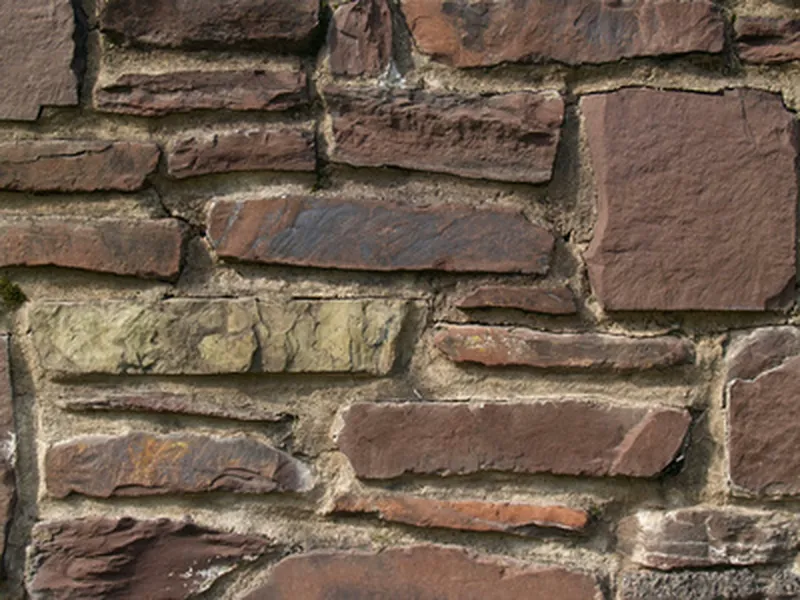
Certain textures can be covered directly with new joint compound after dusting off the surface. Textures that are nearly flat—such as orange peel or California knockdown—do not require sanding when their high and low points measure under 1/16 inch. When the texture has taller peaks, you will need to sand those tips down before applying compound.
Using Sanding on Drywall
For removing most existing textures, sanding is more effective than scraping. Use a drywall sander, and put on a respirator mask along with sealed eyewear for safety. In most instances, the existing texture consists of compound, and sanding it produces large amounts of fine dust. A sander equipped with a dust collection bag reduces the problem but does not eliminate all airborne dust.