Determining the Force a Masonry Wall Places on the Ground
Masonry walls serve as dividers for farmland and boundaries between neighboring plots in various regions worldwide. The force that such a wall transfers to the soil beneath it is referred to as its load. Knowing how to compute this value matters when planning walls and making sure their foundations can bear the weight.
By Elliot Bailey6 steps
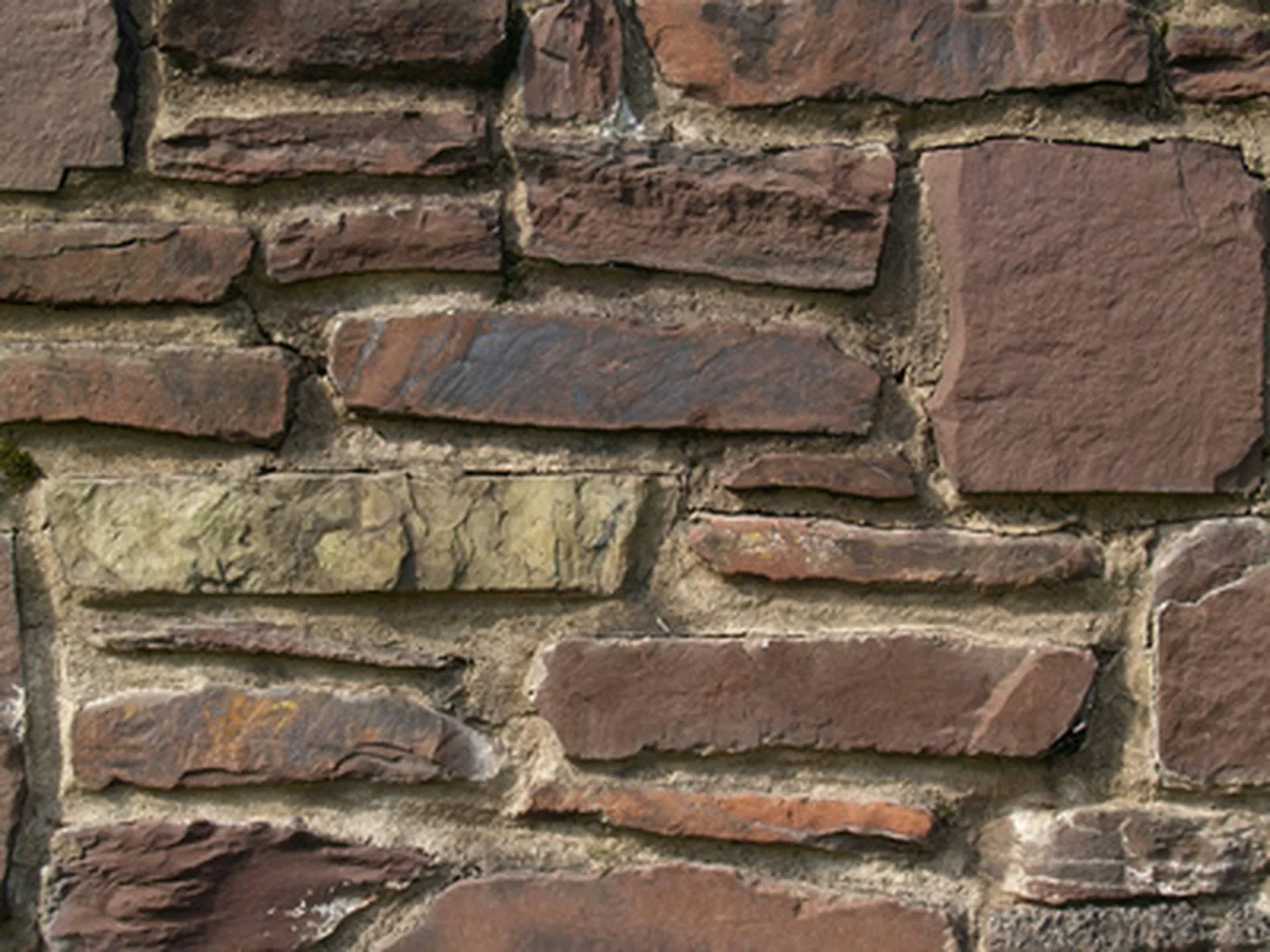
An example of a masonry wall.
In numerous areas across the globe, masonry walls are frequently encountered. They commonly serve to mark off agricultural parcels or act as boundaries between properties that sit next to each other. A masonry wall's "load" refers to the force it applies to the ground supporting it. Being able to determine masonry wall loads is valuable when designing walls and confirming that their foundations are strong enough.
Step 1
Use the measuring tape to determine the wall's length. Record this measurement.
Step 2
Use the measuring tape to determine the wall's width. Record this measurement.
Step 3
Use the measuring tape to determine the wall's height. Record this measurement.
Step 4
Take the three measurements obtained above and multiply them together. The resulting value represents the wall's volume.
Step 5
Take the wall's volume and multiply it by the density of the stone used in its construction. Granite has a density of roughly 0.17 pounds per cubic foot. This calculation yields the wall's mass. Record this number.
Step 6
Take the mass value recorded above and multiply it by the acceleration due to gravity, which is approximately 32.17 feet per second squared. The result is the wall's load.