Is Welding Rebar a Viable Option?
Steel reinforcing bar, commonly known as rebar, is embedded in concrete to enhance its structural properties. Rebar comes in various sizes and grades, and whether it can be welded depends on its chemical composition and grade.
By Sam Mitchell
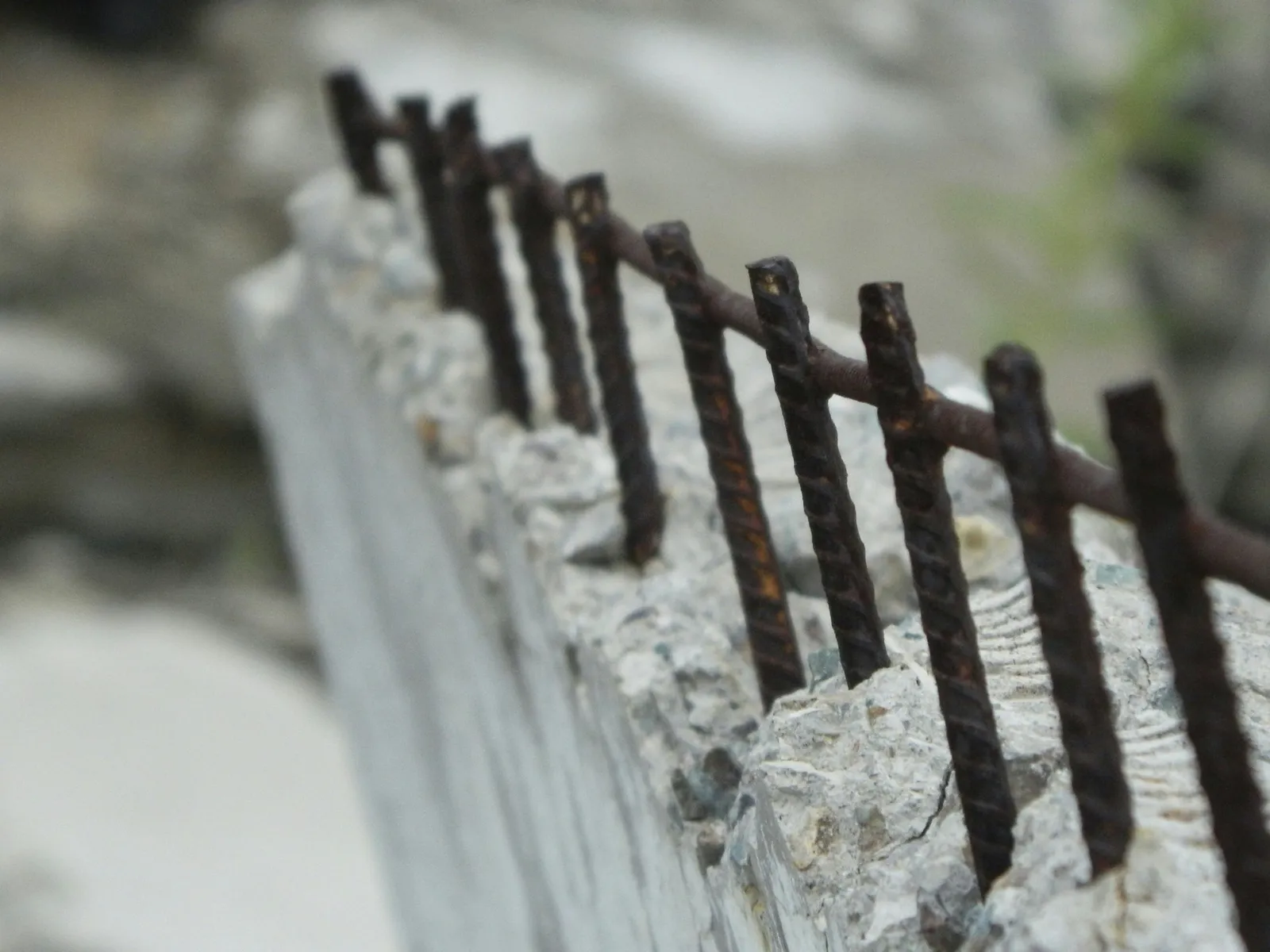
Concrete foundations are reinforced with rebar for additional strength.
Steel reinforcing bar, often called rebar, is a material used to improve the strength and other characteristics of concrete structures like columns, walls, and foundations. Similar to steel in other sectors, rebar is produced in a range of sizes and grades. Depending on the grade, certain rebar used in construction is suitable for welding, while other types are not.
Rebar That Can Be Welded
The American Welding Society's document "AWS D 1.4" indicates that low-alloy steel rebar is weldable. This grade's steel-to-carbon ratio makes it appropriate for welding, and the welds are expected to remain intact under load and after being encased in concrete. This is the only rebar that can be welded without needing special considerations for a specific use or application. Low-alloy steel with a W grade, particularly A706 steel, is weldable when employed in steel fabrication.
Rebar That Cannot Be Welded
Whether steel can be welded depends on its chemical formula. Steel with a high carbon content, like high-strength alloy steels, tends to be brittle. The more brittle the steel, the greater the chance a weld will break under stress. Think of bending a soft piece of taffy versus bending taffy straight from the freezer. The soft material bends, but the brittle one breaks. High-strength and alloy steels might not be welded because they are more prone to fracturing under load.
How Rebar Reinforces Concrete
When poured concrete sets around rebar or rebar frameworks, the aggregate (stone or gravel) in the concrete becomes locked in place around the rebar's ribs, creating a mechanical bond. Concrete has strong compressive strength (resistance to pressing forces) but weak tensile strength (resistance to bending or stretching forces). Steel provides tensile strength to concrete structures, enabling this brittle material to be used for horizontal components, such as bridge beams.
Connections Without Welding
If rebar cannot be welded, the pieces are instead tied together mechanically using 16-gauge wire. The benefit of wire-tied rebar is that intricate cages and other structures can be assembled on the construction site. After concrete is poured and has cured around the rebar, the solid mass of concrete secures the joints. At the job site, tying rebar together is much faster than welding each joint individually.