What Sets Sandstone Apart: Formation, Varieties, and Practical Roles
Sandstone belongs to the sedimentary category and consists largely of minerals that are abundant on Earth, which explains why it appears in so many places worldwide. Its notable traits are tied to what it is made of, how it forms, the different kinds that exist, and the ways people put it to use.
By Jordan Ross
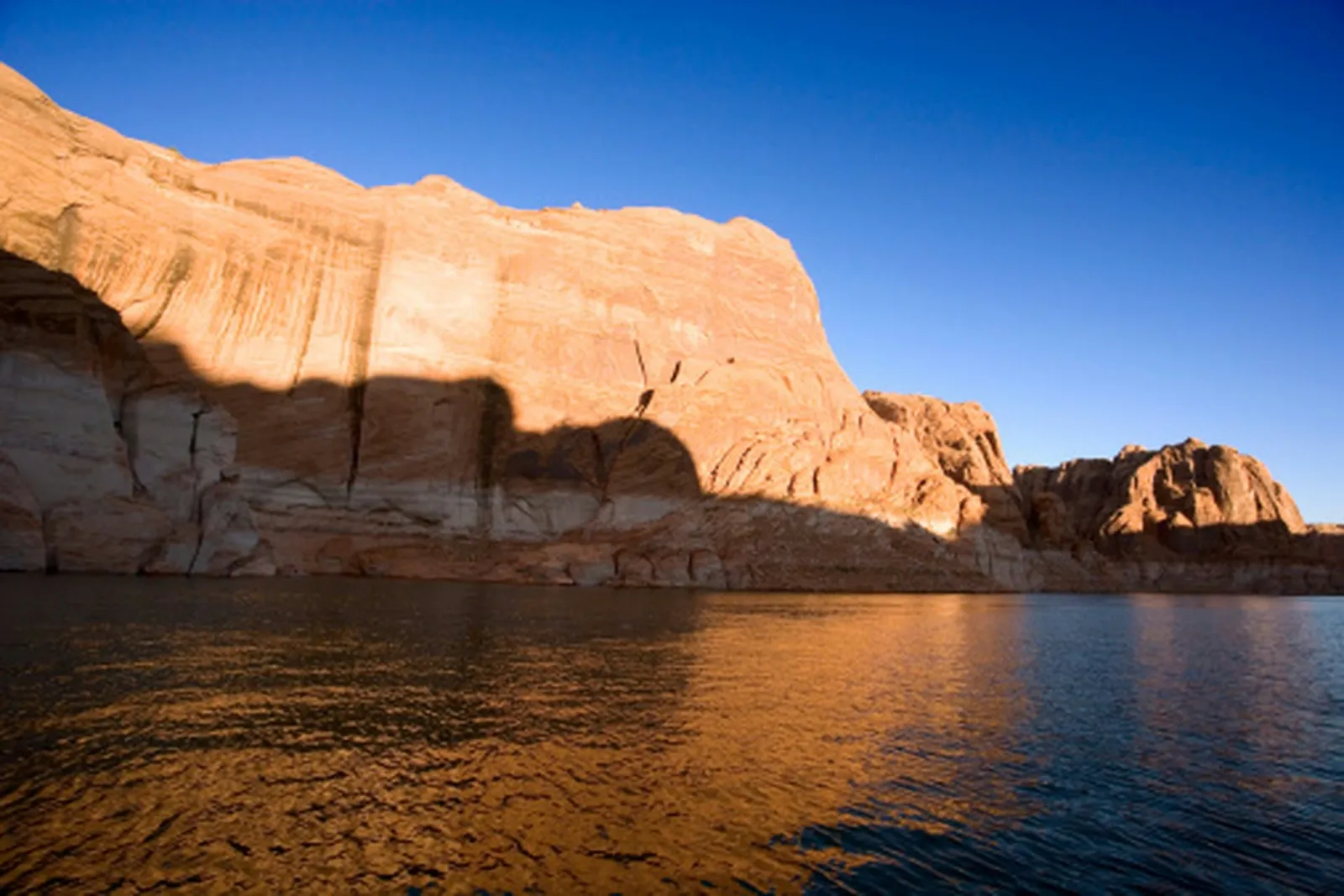
Sandstone is widely used as a construction material.
Sandstone falls under the category of sedimentary rock. Its makeup draws on minerals that are among the most widespread on the planet, and that is why sandstone can be found in so many regions across the globe. Several notable traits of sandstone are connected to what it consists of, how it comes into being, the categories it is divided into, and how it is applied.
What Sandstone Is Made Of
The rock is built from tiny particles of minerals or rock, typically comparable in size to grains of sand. These individual grains generally measure somewhere between .00394 and .07874 inches across. Feldspar and quartz rank as the minerals most frequently present in sandstone. Sandstone's hue reflects the substances it contains. Brown, yellow, red, white, gray, and tan are the shades most often seen, and among these, yellow and tan are the most common.
How Sandstone Forms
Sandstone has a clastic origin rather than an organic or chemical one. Its formation unfolds in two stages. To begin with, layers of sand build up into mounds called grus. Within these mounds, either water or air separates the grains of rock or minerals by size, and sedimentation takes place. After that, the weight of deposits resting above the rock or mineral grains presses them together, while substances like clay, calcium carbonate, or silica move through the sediment layer and bind the grains into solid rock.
Varieties of Sandstone
What determines the character of a given sandstone is the setting in which its components were laid down. Among the environmental factors that shape the outcome are the size of the rock or mineral grains, the way those grains are sorted, and the structure of the resulting sediment. Settings where sandstone forms include lake, alluvial fan, river, glacial outwash, desert, river delta, submarine channel, storm deposit, offshore bar, sand wave, and tidal delta environments. Sandstone is sorted into three broad categories: arkosic sandstones, which consist mainly of granite; quartzose sandstones, also known as beach sand, which are composed largely of quartz; and argillaceous sandstones, which contain a substantial amount of clay or silt.
How Sandstone Is Used
Certain sandstone is simple to shape and work, yet it still holds up against weathering. That combination leads to its frequent use as a material for building or paving. Sandstone also serves in the production of grindstones and stones for gristmills. Formations of sandstone are valuable as aquifers. Because sandstone is porous, water passes through it, and sandstone formations are capable of holding substantial volumes of water. This filtering action also helps in taking pollutants out of the water.