Overview of Chemical Paint Stripping Agents
Paint removers are generally divided into caustic-based and solvent-based types. Common active ingredients include methylene chloride, NMP, acetone, toluene, methanol, sodium hydroxide, and ammonia hydroxide. Each has specific uses, advantages, and health or safety concerns.
By Casey Davis
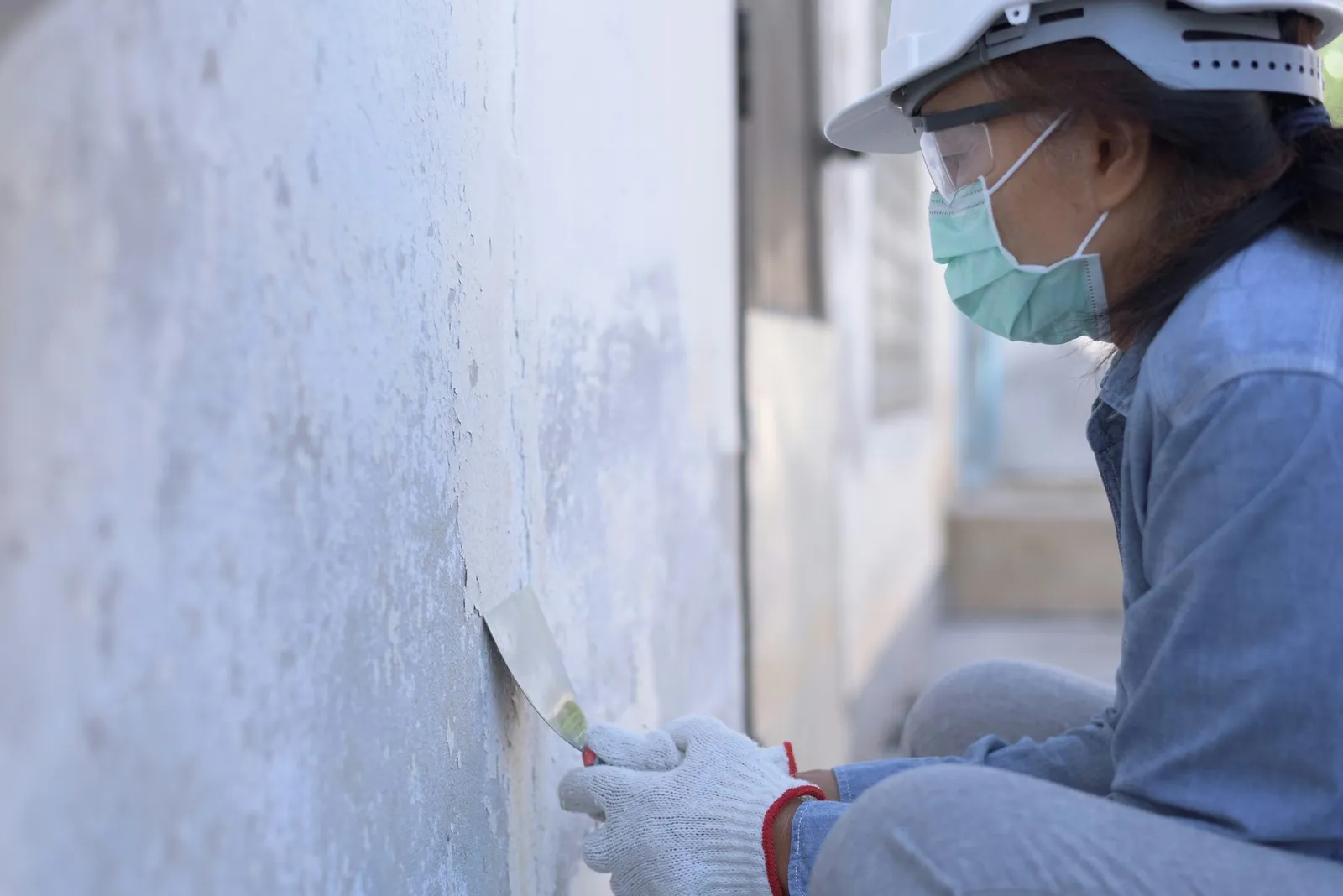
Chemicals Used for Paint Removal
Hardware stores carry a wide range of paint removal products, but the chemicals used for this purpose fall into two primary groups: solvent-based strippers (SBS) and caustic-based strippers (CBS). Frequently encountered substances in paint removers include methylene chloride, acetone, toluene, methanol, N-methyl-pyrrolidone, sodium hydroxide, and ammonia hydroxide. Additional options are isopropyl alcohol, lacquer thinner, and epoxy. When choosing a paint stripper, it is important to weigh both how well it works and how safe it is to use.
Caustic-Based Paint Removal Chemicals
Sodium hydroxide is the main component in this type of paint remover. These products are regarded as environmentally friendly and non-toxic, but they require between 12 and 42 hours to take effect. They can successfully strip many kinds of paint coatings, including both older finishes (such as calcimine paints and milk paints) and newer ones. However, they are not suitable for removing paint from galvanized steel, magnesium stainless, or aluminum.
Since these chemicals act relatively slowly, they are typically employed only when other methods fail to remove tough paint.
Toluene and Methanol for Paint Removal
This set of chemicals is effective at removing varnishes, lacquer, and shellac. They perform well on newer paint but are less successful with older coatings. Their primary disadvantage is flammability, which makes them potentially dangerous to use. A single spark can ignite a fire. Toluene and methanol chemicals are used infrequently and only in controlled environments.
Removing Paint with Methylene Chloride
Methylene chloride (MC) is a cornerstone of the paint removal industry. Unlike other chemicals that usually liquefy paint, it delaminates paint layers. Solvent-based paint strippers containing methylene chloride come in gel and liquid forms, with the gel used for the main paint removal and the liquid as a final wash.
The most notable and serious downside of methylene chloride is its health hazards. The U.S. Consumer Product Safety Commission has officially classified it as a carcinogen, and the Environmental Protection Agency (EPA) has listed it as a hazardous air pollutant.
N-Methyl-Pyrrolidone Paint Remover
This class of paint removing chemicals was developed to overcome the drawbacks and health risks of earlier paint stripping chemicals. Nevertheless, solvent-based paint strippers that contain N-Methyl-Pyrrolidone (NMP) still carry risks. The EPA classifies NMP as a developmental toxicant, and it may cause miscarriages.
NMP-based paint removers are good at stripping old, stubborn paints and are excellent for removing multiple layers of paint. Their main drawback is cost, which is roughly three to five times that of other paint removal agents. They also act slowly. Removing paint can take from 12 hours up to a full week, though initial effects become visible within the first 24 hours.
Acetone, Methanol, and Toluene
These chemicals are often combined for paint removal. This highly flammable mixture dissolves paint from the top layer downward. Because it is the least expensive paint removing mixture, it should be avoided in closed spaces or areas with poor ventilation.