What Makes an Office 'Green'?
According to the U.S. Environmental Protection Agency, a green office is a building that is both environmentally responsible and resource-efficient. Such offices are built with energy efficiency in mind and frequently use recycled materials. The aim is to foster a healthy indoor setting, save energy, and cut down on pollution.
By Drew Ward
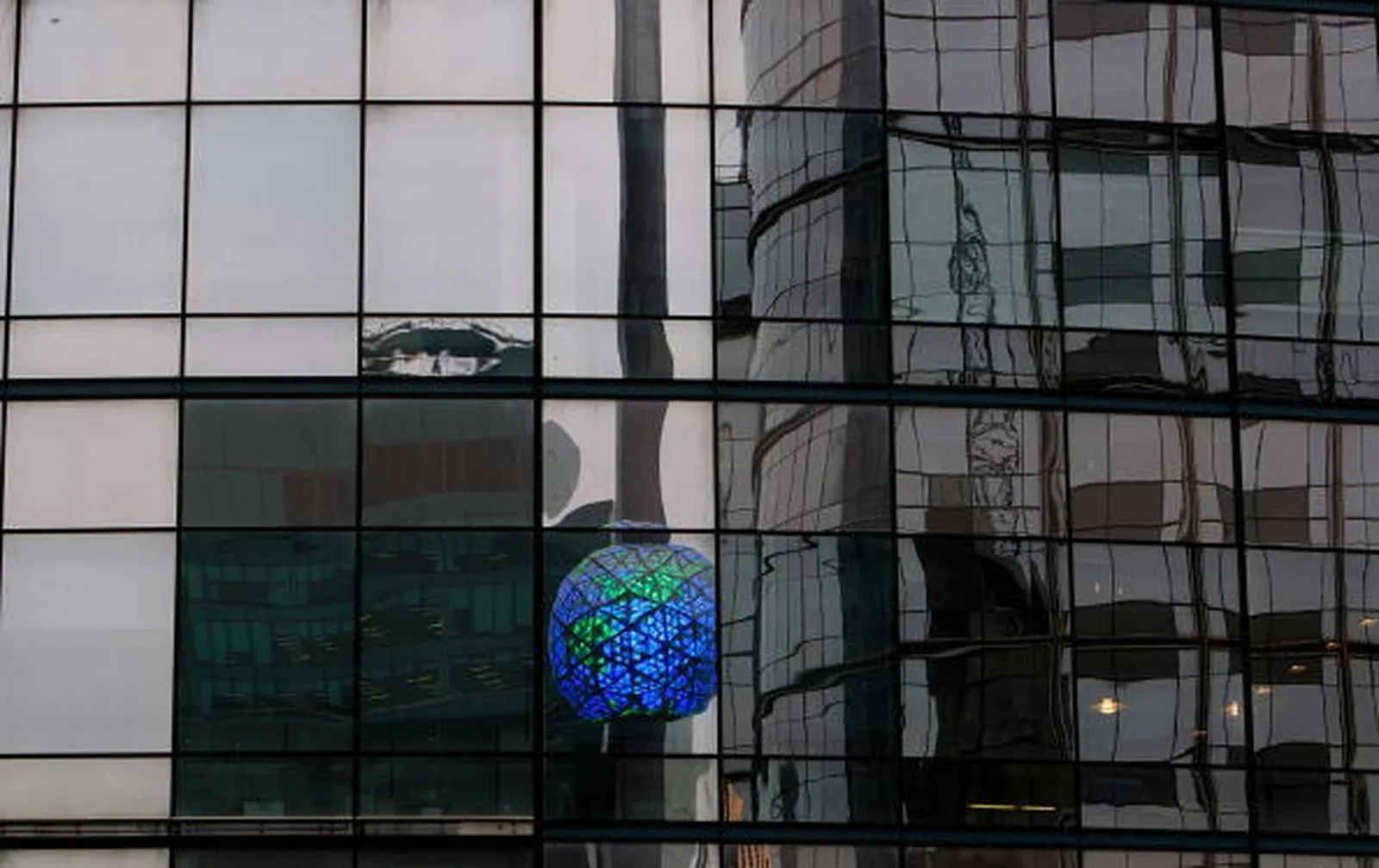
Earth Day brings more awareness to green buildings.
As defined by the U.S. Environmental Protection Agency, the term green office describes a building that is environmentally responsible and resource-efficient. These offices are designed to be energy efficient and frequently incorporate recycled content. The objective is to establish a healthy environment, conserve energy, and reduce pollution.
Origins
During the 1960s, the idea of green office buildings gained traction alongside the environmental movement. The rise in oil prices during the 1970s made the demand for green office buildings more widespread. This spurred the creation of more energy-efficient office buildings capable of utilizing renewable energy.
Elements of Green Building
In green offices, windows are often placed to maximize natural light. Recycling materials such as coal products, foundry sand, and demolition debris is a common green building practice.
Indoor Air Quality
Another aspect of a green office is indoor air quality. Builders may, for instance, use radon-resistant construction methods and install heating, ventilation, and air-conditioning systems that are designed to uphold good air quality.
Interesting Tidbit
A notable downside of green office buildings is their lack of noise. The very materials that make buildings eco-friendly also make them quieter. According to Kevin Powell of the U.S. government's General Services Administration, Leadership in Energy and Environmental Design (LEED) buildings tend to be very quiet — almost too quiet for workers. People in workplaces generally appreciate some background noise because it gives them a sense of privacy.