Ceiling Drywall Installation: When Furring Strips Are Necessary
For new ceiling joists, standard drywall panels can be fastened directly with screws, making furring strips unnecessary. However, if the ceiling is old and you prefer not to tear out the existing finish, furring strips offer a stable surface—though they will reduce ceiling height. Certain conditions, such as plaster ceilings, cracks, sagging, multiple wallpaper layers, or exposed joists with wiring, may call for furring before drywall goes up.
By Harper Young

Furring strips offer a secure base for new drywall panels.
When installing drywall on newly built ceiling joists, furring strips are usually not required. You can screw standard drywall panels straight into the joists. But if the ceiling is older and you want to avoid removing the existing finish, furring strips can create a dependable base. Keep in mind that using them will lower the ceiling height somewhat.
When Furring Is Beneficial
Ceiling joists typically provide enough support for drywall on their own, yet certain situations make furring advantageous. A plaster ceiling, one with cracks or sagging, or a surface covered by many layers of thick wallpaper can be secured with furring strips, which also give the drywall a mounting surface. In basements and similar spaces, exposed joists with wiring running along their bottom edges need furring before drywall can be attached.
How Furring Works
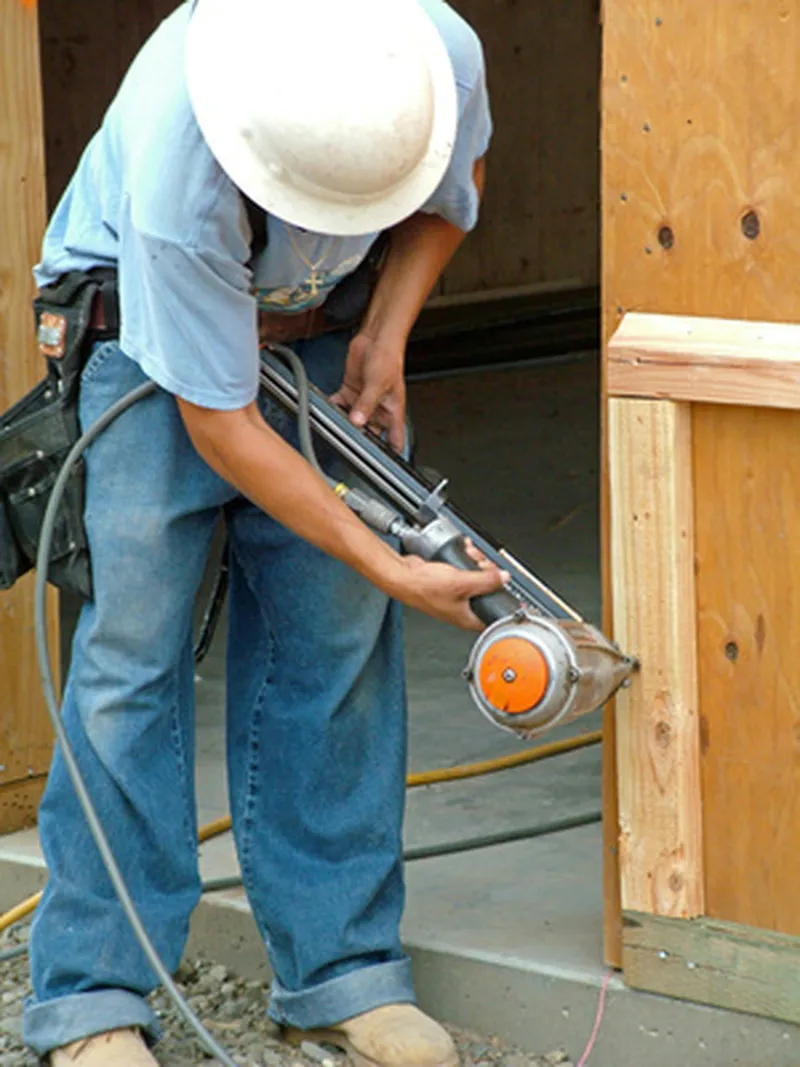
To fur a ceiling, you add strips that form a solid base for the drywall. Furring strips are commonly sold in bundles of 8-foot boards, 1 to 3 inches wide, but lumber of other dimensions can also be used for this purpose. As a general guideline, the furring strips should match the width of the ceiling joists. For instance, if the joists are 2-by-6 lumber, you would use boards of the same width—which in reality measure only 1.5 inches across. Attach the strips with a screw gun and framing screws, driving them through the existing ceiling and into the joists.
Cutting Around Obstructions
When wiring or plumbing extends below the original ceiling joists, you must cut the furring strips so they do not press against those wires or pipes. The easiest approach is to measure from the end of a joist to the wires crossing it. Then cut and install a furring strip that is half an inch shorter than that measurement. Repeat this on the opposite side. Minor gaps between strips will not affect the drywall installation.
Drywall Attachment
The conventional way to hang ceiling drywall is to set the panels perpendicular to the joists, which also means they run perpendicular to the furring strips. Since the strips serve as the framing that holds the panels, choose drywall screws that are one inch longer than the panel thickness. For example, half-inch-thick drywall panels require 1.5-inch screws to fasten them to the furring strips.