Hardwood Flooring: Is Underlayment Padding Necessary?
Hardwood floors are a long-lasting option that suits dry rooms like living rooms, dining rooms, and bedrooms. While laminate flooring often needs padding, solid hardwood does not require it; instead, a paper layer between the subfloor and wood boards can help prevent squeaks.
By Harper Young
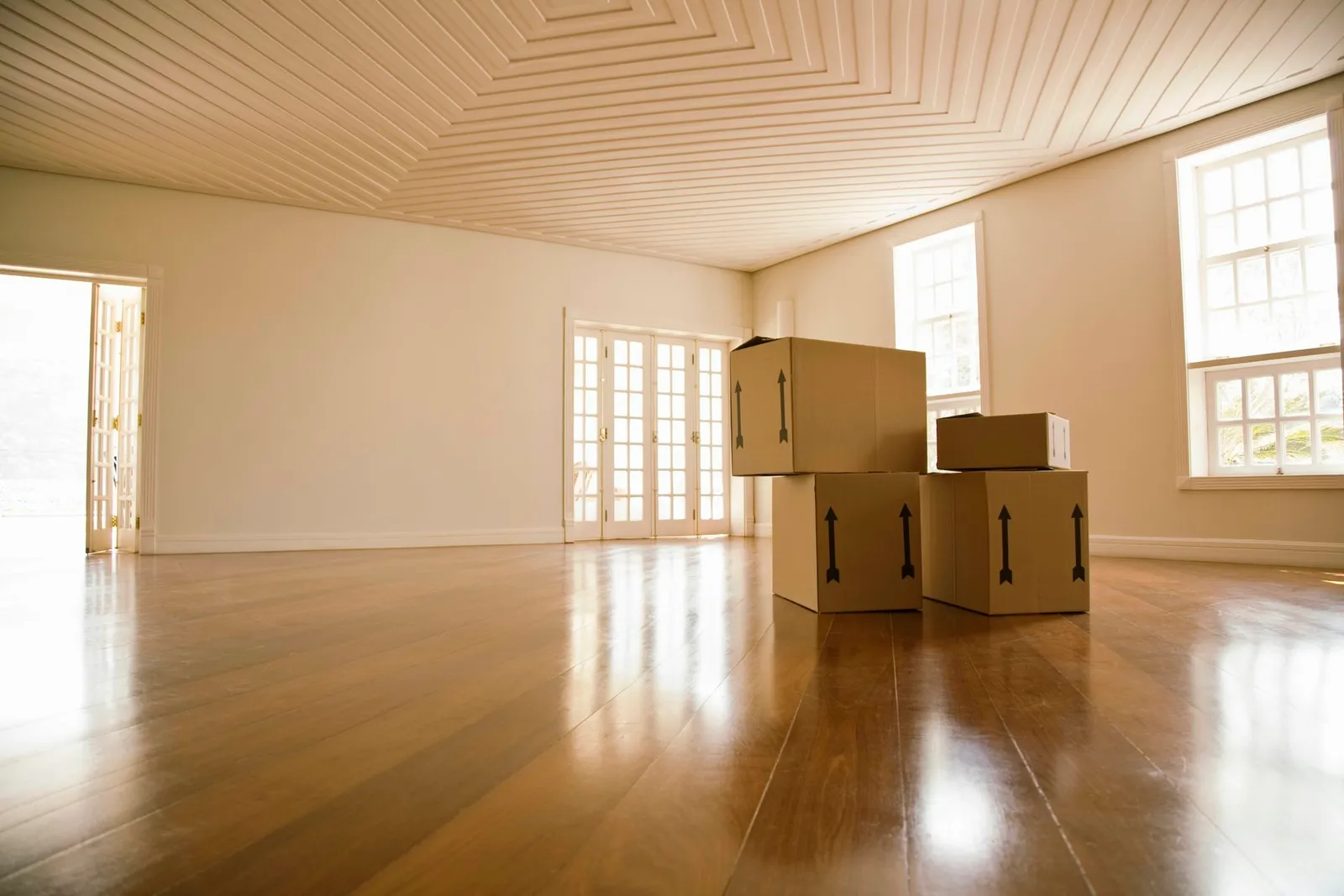
Proper installation can help your hardwood floor last for decades.
Hardwood is a resilient flooring option that can handle many years of wear. It performs best in dry areas of the home, including living rooms, dining rooms, and bedrooms. Laminate flooring may look like solid hardwood, but it is made from different materials and needs a different installation approach. One key difference: unlike laminate, hardwood does not call for padding.
The Role of Padding
Padding is often used as an underlayment for carpets and laminate floors. Certain laminate products come with a pre-attached pad, while others require you to unroll foam padding before placing the flooring segments on top. Solid hardwood flooring does not need padding, but it does require a type of fabric between the underlayment and the surface boards.
Things to Keep in Mind
Underlayment padding serves to cushion laminate flooring sections. Its primary function is to shield the laminate, keep it steady, and extend its lifespan. This padding is much thinner than carpet padding, so you won't feel it when walking on a laminate floor. Hardwood floors don't need underlayment padding, but if you put the surface boards directly on the underlayment, you might get squeaks and creaks. Wood rubbing against wood is a leading cause of floor creaks.
Choosing the Right Material
Installers typically place building paper or asphalt felt paper between the underlayment and the hardwood. These tough, long-lasting paper sheets prevent the wood surfaces from rubbing together as you walk, which helps avoid irritating creaks and squeaks.
Installation Steps
The exact installation method for your hardwood project varies based on the brand and type of hardwood and paper you select. Always adhere to the manufacturer's guidelines when putting in flooring products. The typical approach for laying a hardwood floor involves cleaning the underlayment surface, unrolling the paper, stapling it down, and then installing the individual wood planks. Laying the paper over a clean, bare subfloor that is free of grit and debris helps lower the chance of paper tears and rips.