Comparing Engineered Wood and Porcelain Tile for Flooring
When choosing between engineered wood and porcelain tile, factors like dimensional stability, moisture resistance, and repairability come into play. Each material has distinct characteristics that lend themselves to specific installation contexts.
By Blake Wood
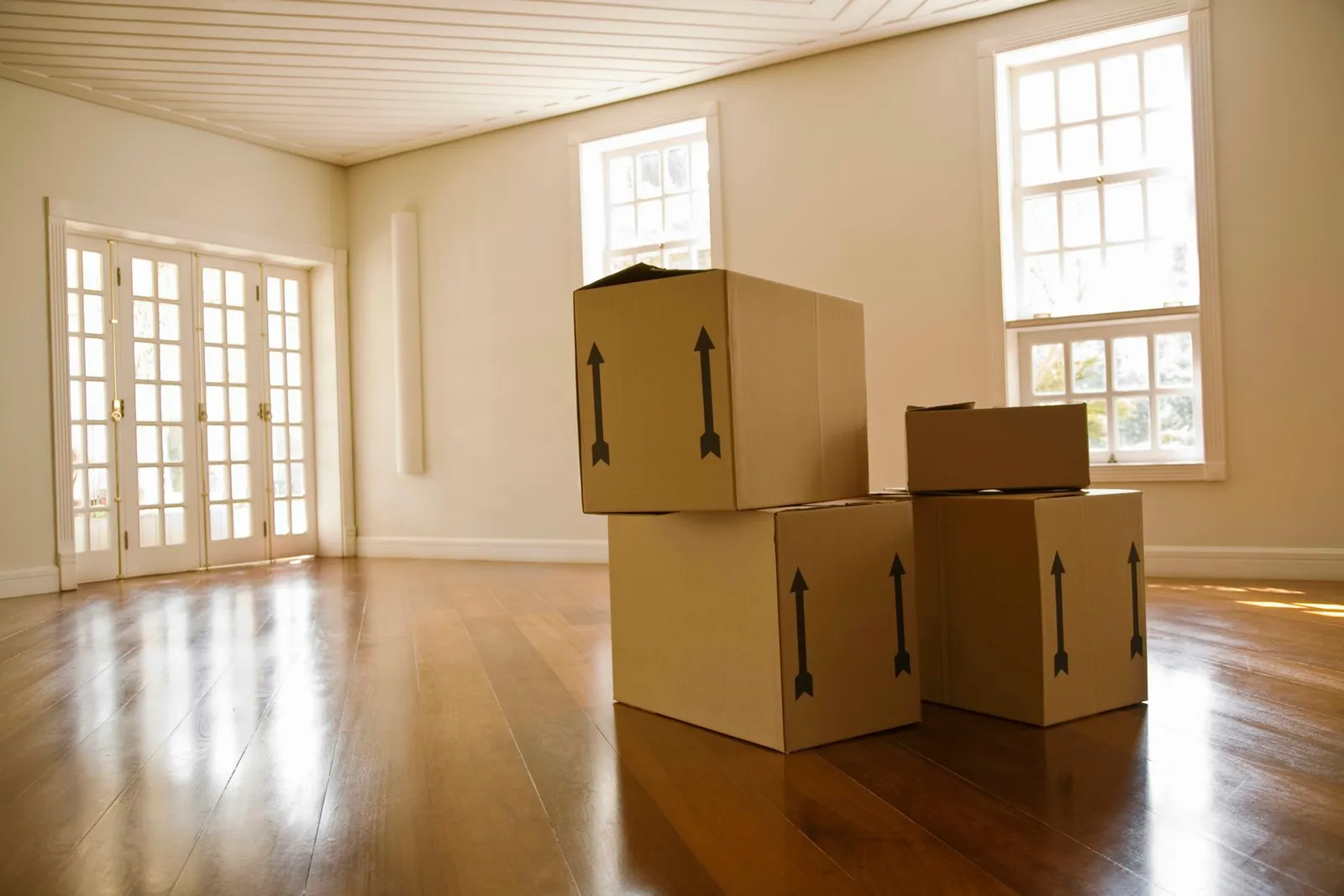
Engineered wood floors are more versatile than solid hardwood floors.
Engineered wood and porcelain tile are two flooring options that combine visual appeal with durability. They differ in ways that make each better suited to particular settings. By examining what each material is made of and where its limits lie, you can more easily decide which one fits your project.
What Is Engineered Wood Flooring?
Engineered wood flooring consists of three to five layers of hardwood veneer bonded together. It is a genuine wood product, not to be mistaken for laminate, which is synthetic and imitates the look of wood. The veneer layers are arranged with alternating grain directions, so the wood's natural expansion and contraction from humidity changes is offset across layers. This construction gives engineered wood greater dimensional stability than solid hardwood. It comes in various widths and finishes.
What Are Porcelain Floor Tiles?
Porcelain falls under the category of ceramic materials, but it is denser and harder than other ceramics. Ceramic tiles generally start as clay that is shaped and then fired in a kiln at high heat, producing a hard, wear-resistant material. Porcelain tiles use finely textured porcelain clay and are fired at a significantly higher temperature than other clays. The result is a surface that is tougher and less porous than other ceramic products.
Where Engineered Wood Excels
Thanks to its dimensional stability, engineered wood flooring can be laid over nearly any subfloor, including a concrete slab—an uneven surface that solid hardwood cannot handle. Porcelain tile, by contrast, is best installed on a slab because floor movement and flexing can lead to cracked tiles or crumbling grout. Given its greater weight, porcelain is even more prone to this type of damage than other ceramic tiles.
Where Porcelain Has the Edge
Porcelain tiles offer exceptional durability, and their hard surface resists scratches and scrapes. Wood floors, on the other hand, scratch fairly easily, and the thin veneer on some engineered products makes refinishing difficult or even impossible. If you have spare tiles, replacing a broken one is relatively straightforward. Ceramic tiles—porcelain in particular—repel water and work well in wet areas of a home, whereas wood floors are susceptible to water damage.