Adhesive vs. Mechanical Fastening for T-Molding Installation
T-molding serves as a connector between different flooring surfaces, a transition piece between materials, or a finishing edge at the perimeter of a floor. Available options are typically synthetic—plastic or composite—though wood versions also exist. Installation methods generally fall into two categories: gluing the strip down or driving screws through a channel and clicking the top section into position. Certain approaches call for angled toe screws that sink below the molding surface.
By Jamie Hayes
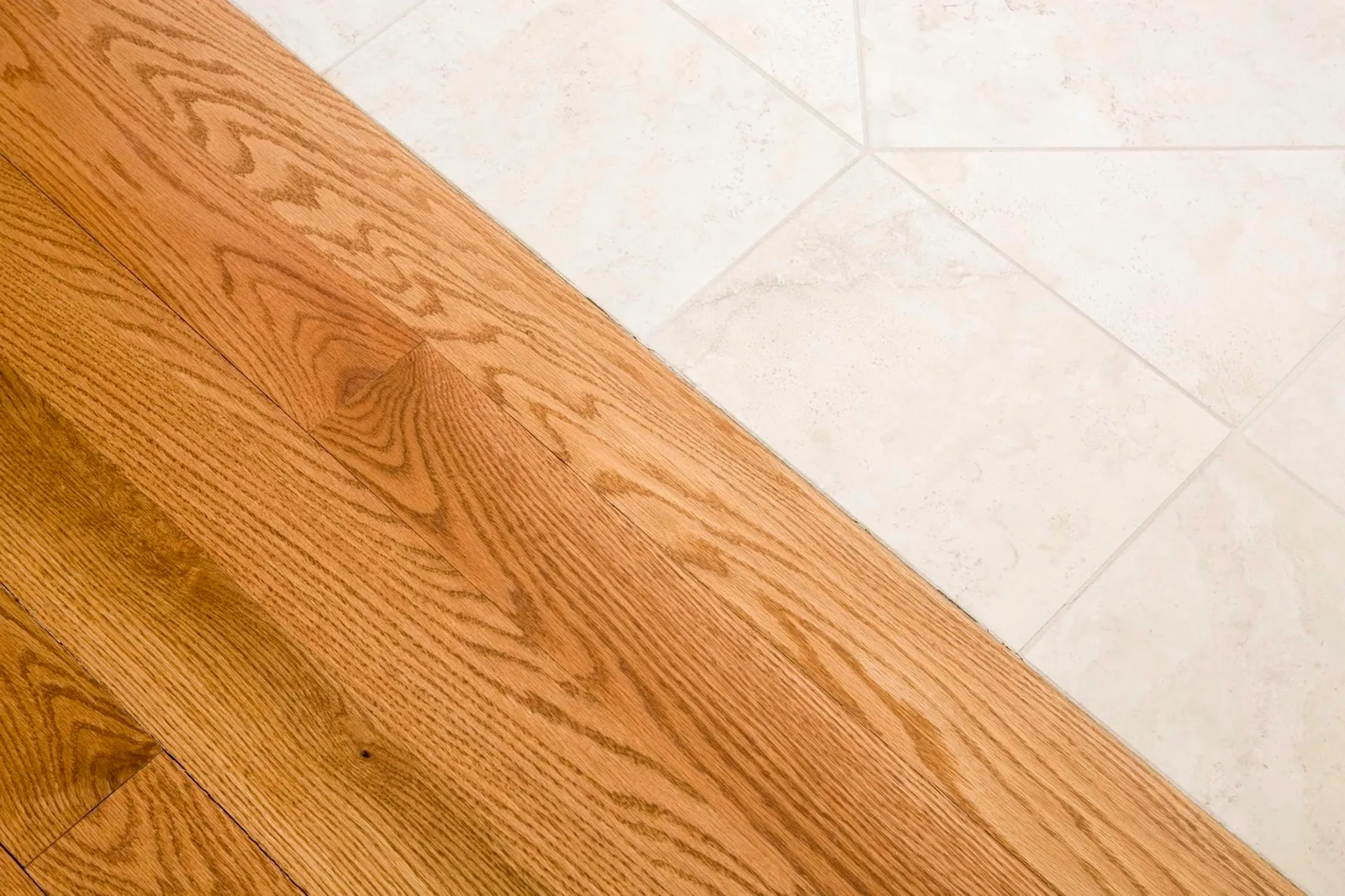
T-molding is typically used where two different flooring materials meet to provide a seamless transition.
T-molding acts as a connector between flooring sections, a bridge from one flooring material to another, or a border piece at the edge of a floor. The majority of T-molding on the market is manufactured from plastic, composite or similar synthetic substances, though it can also be obtained in natural wood. In most cases, installation involves either applying adhesive or fastening a channel strip with screws and then snapping the upper component into position. Some methods call for toe screws—screws driven at an angle so their heads sit beneath the molding surface.
Where T-Molding Is Typically Applied
Transitioning between two different flooring materials ranks as the most frequent application for T-molding. A dining room with wood flooring next to a kitchen with tile, for instance, creates a seam that T-molding can address. When the two floors sit at different heights, a T-molding strip both conceals the junction and spans the vertical difference. Another common scenario involves the perimeter of a floor near walls, where the flooring material may not reach all the way to the wall. In these cases, T-molding can hide gaps caused by a room that is not square.
Areas with Heavy Foot Traffic
T-molding appears frequently in high-traffic zones such as doorways and hallways. In these locations, however, glued T-molding needs to endure significant wear. Constant foot traffic, rolling carts and similar abuse can shorten the lifespan of most adhesives. For exterior entryways, seasonal weather shifts may progressively degrade the adhesive bond. Because of this, screw-down T-molding tends to be the better choice in these situations.
Spaces Exposed to Moisture
Bathrooms, kitchens and other areas regularly subjected to water or dampness generally work better with screw-down T-molding systems. These spaces often have hard flooring like tile and face routine mopping, steam and water drips. Much like heavy foot traffic or weather exposure, moisture breaks down adhesives over time. The consequence is weakened bonding and, eventually, the need to replace or re-glue the molding.
Concrete, Stone and Similar Substrates
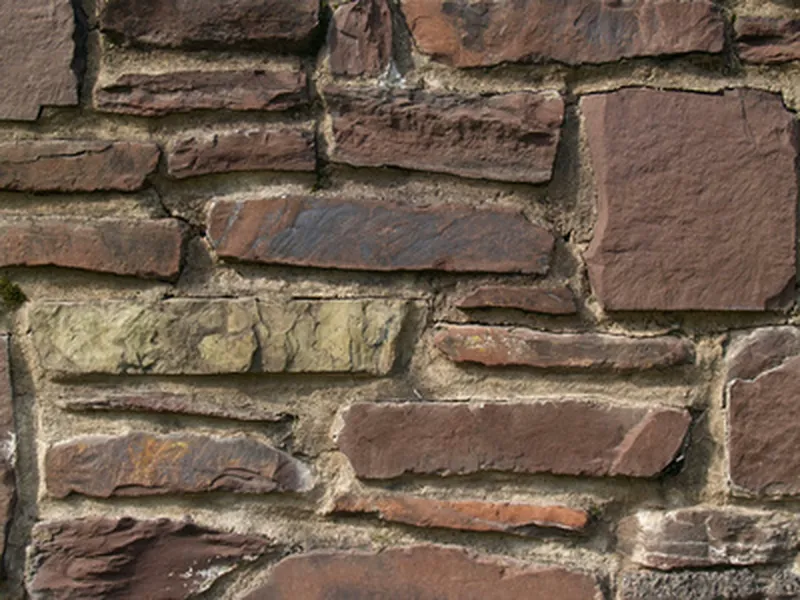
Although screw-down T-molding is frequently the preferred option for high-traffic, weather-exposed or damp areas, certain flooring materials cannot accommodate it. Stone or marble tile, for instance, may not permit the installation of screwed tracks for snap-in systems. Concrete floors likewise present challenges for T-molding that requires screws. In these settings, glued-down T-molding represents the most suitable approach.
Restricted Spaces, Out-of-Square Rooms and Atypical Locations
For T-molding installation in hard-to-reach spots—along wall edges, around staircases or inside closets—gluing is frequently the simpler method. Adhesive can be applied ahead of installation, and no power tools are needed. A room that is out of square, leaving gaps between flooring and wall, may not have enough framing to accept screwed tracks. Other atypical areas where power tools cannot reach the necessary angle are also well-suited to glued-down T-molding systems.