How Granite and Sandstone Differ in Weathering Resistance
Rocks at the earth's surface break down when water from the hydrosphere or gases in the atmosphere alter their physical and chemical makeup. Human activities like pollution and acid rain can speed up this process. Different rock types respond to weathering in their own ways.
By Sam Murphy
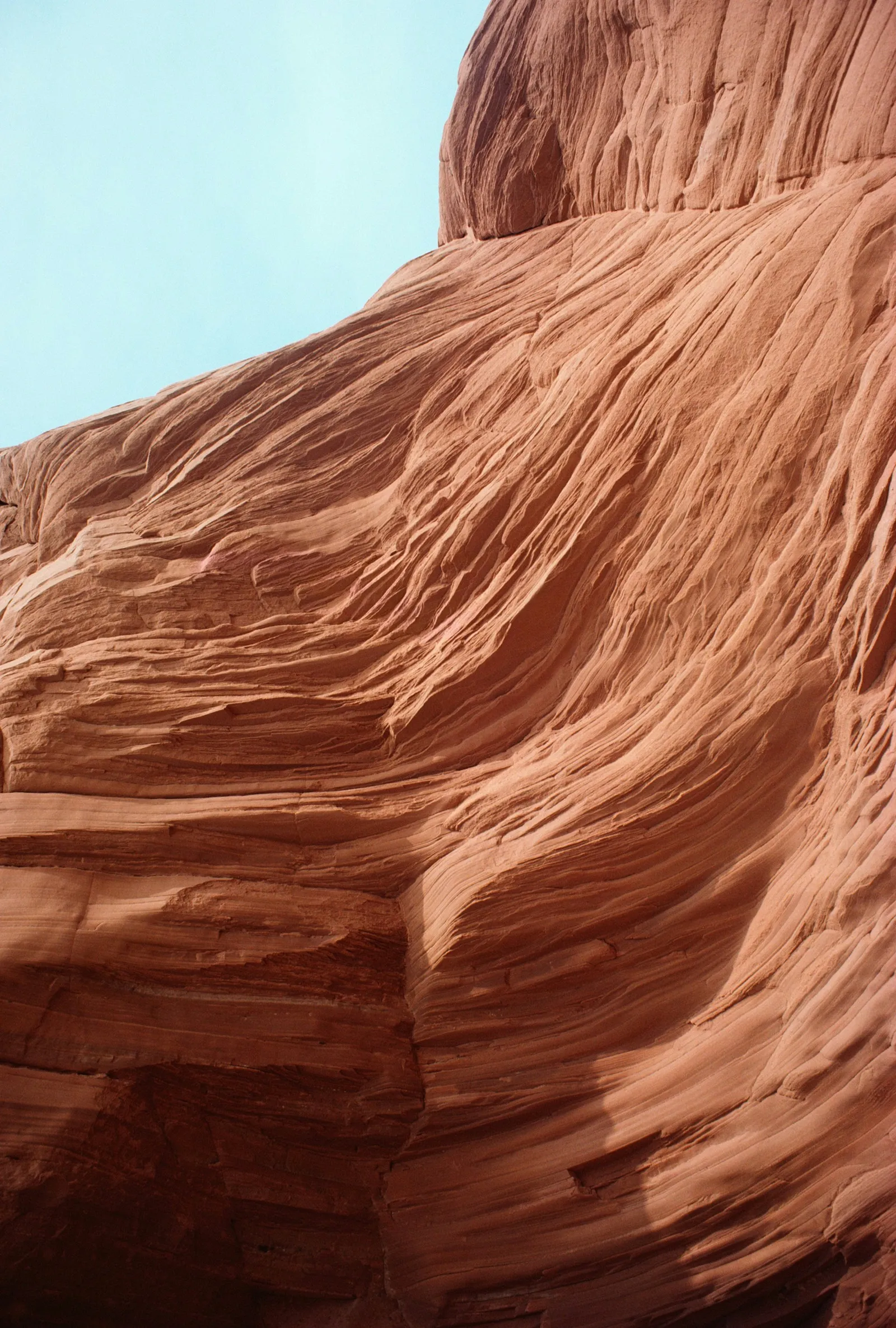
The effects of weathering are evident in sandstone formations.
When rocks at the earth's surface undergo changes to their physical and chemical properties, that process is called weathering. The forces behind these changes come from water components in the hydrosphere or from gaseous substances in the atmosphere. A rock sample's surroundings shift when it is exposed to air or water. Human-caused factors, including pollution that produces acid rain or other chemical intrusions, make weathering happen faster. Not all rocks weather in the same manner.
Classifying Rocks
Depending on their formation process, rocks on earth fall into one of three categories: igneous, sedimentary or metamorphic. Igneous rock originates from liquid rock, or magma, that either cools and crystallizes underground or erupts onto the surface as lava, then cools and forms crystals. Sedimentary rock is created when particles from other rocks become cemented and compacted under intense pressure. Heat, pressure or both act on sedimentary rock to transform and harden it into metamorphic rock.
Granite Characteristics
Granite is a light-hued igneous rock that forms deep below the earth's surface. Its crystals are coarsely grained and primarily composed of feldspar and quartz. The pink, gray, green or bluish tint of granite comes from feldspar, while quartz contributes a whitish, opaque look. As softer rocks above granite deposits wear away and erode, the granite becomes exposed. Because granite is exceptionally hard, it weathers at a very slow rate.
Sandstone Characteristics
Sandstone is a sedimentary rock that results from the breakdown and weathering of other rocks. True to its name, sandstone forms underground when sand grains are cemented and compacted by the pressure exerted by rock formations above them. With a magnifying glass, the individual sand grains composing the rock become visible. Fractures in sandstone develop around the sand grains when the rock breaks.
Contrasting Weathering Rates
Rocks with quartz content tend to withstand chemical weathering well. Granite is highly resistant, and sandstone is slightly less so, because of how much quartz each rock type contains. Granite's extreme hardness makes it less vulnerable to the freeze-thaw cycle, abrasion and surface exfoliation -- all processes involved in physical weathering. For this reason, a granite gravestone will hold up against fracturing, cracking and chipping for a longer time than a sandstone marker placed in the same location.