Temperature Thresholds and Curing Duration for Asphalt Shingle Sealing
Asphalt tile roofing depends on a self-adhesive strip to create a watertight barrier, but that strip only works within specific temperature ranges. Manufacturers generally set minimum and maximum roof temperatures for installation, and the seal needs time to cure afterward.
By Drew Scott
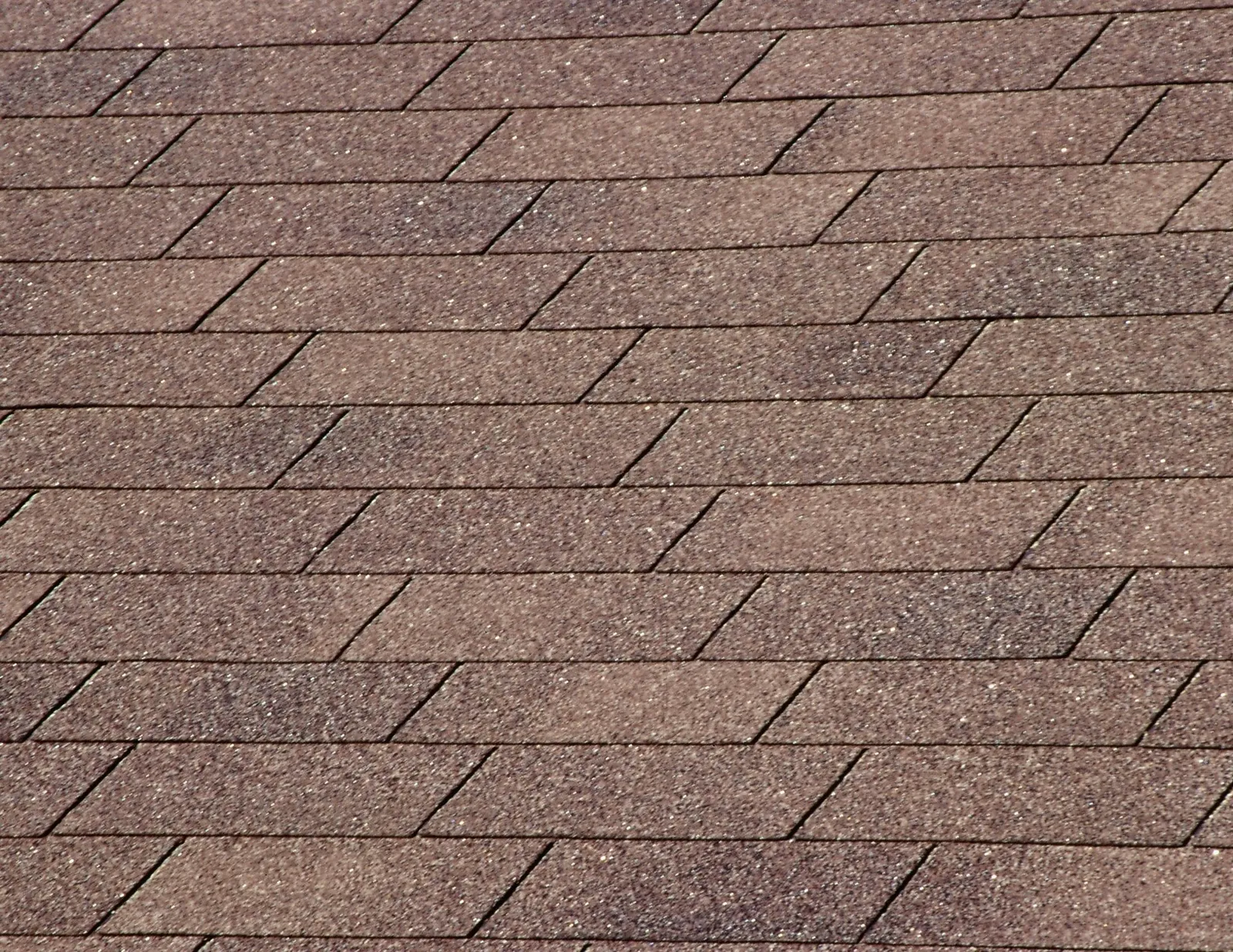
Asphalt roofing tiles require time to seal before they are ready for adverse weather.
A roof leak during the winter months is a particularly unwelcome discovery, and for those with asphalt tile roofing, it can signal a deeper problem. Asphalt tiles need to form a proper seal to function as intended, and that sealing process depends on meeting certain conditions, temperature being a key one.
What Asphalt Tiles Are and How They Seal
Among roofing materials, asphalt tiles are the most budget-friendly option, both in initial cost and in service life. Typically, they carry a 30-year lifespan measured from the date of manufacture. The self-adhesive sealing strip on top of each tile is what makes this longevity possible. When activated, this strip bonds permanently with the ceiling underlayment, blocking water and dust from getting through the shingles and keeping wind from lifting them out of position.
Cold-Weather Installation Rules
Manufacturers take two general approaches when it comes to cold-weather installation requirements. The more lenient position holds that the roof's outside temperature needs to stay at or above 40 degrees F for a full 24 hours. Below that threshold, the adhesive strip won't activate and seal the shingle, leaving it exposed to dirt and water that can compromise the seal. Other manufacturers take a stricter stance and will not honor warranty coverage for work performed in cold-weather winter locations. Checking the manufacturer's specifications is always advisable.
Upper Temperature Limits
Excessive heat creates its own problems for proper shingle installation and sealing. Most manufacturers indicate that roof temperatures exceeding 100 degrees F make the tiles brittle and cause the sealant to soften too much. The sealant will still activate in these conditions, but it won't harden right away. As a result, tiles can be accidentally shifted if someone steps on them or scrapes them with tools.
Curing Time and Nail Placement
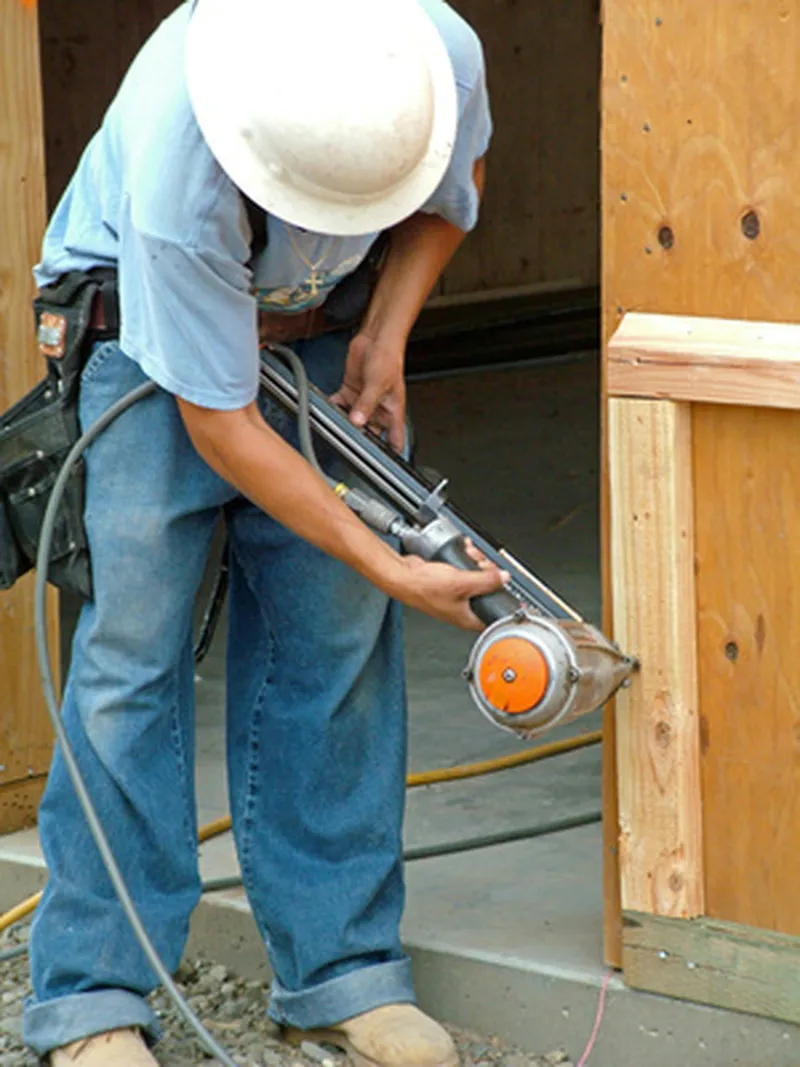
How long the tile adhesive seal takes to cure varies by manufacturer, and this factor should inform the choice of installation season. Generally speaking, ceiling tiles need 48 hours to cure once the strips have been activated. During installation, all nails should penetrate only the seal area, because the sealant will envelop the nails and form a water-tight barrier. Nails driven elsewhere can create leak paths.