Speeding Up the Cure of Quick-Set Tile Mortar
Quick-set mortar is designed to cure in a short window, and most products can be grouted two to four hours after troweling. If you want to hit the shorter end of that range, you need to control the room's temperature, humidity, and tile condition before the mortar goes down. The following steps explain how to create those conditions without compromising adhesion.
By Logan Hill4 steps
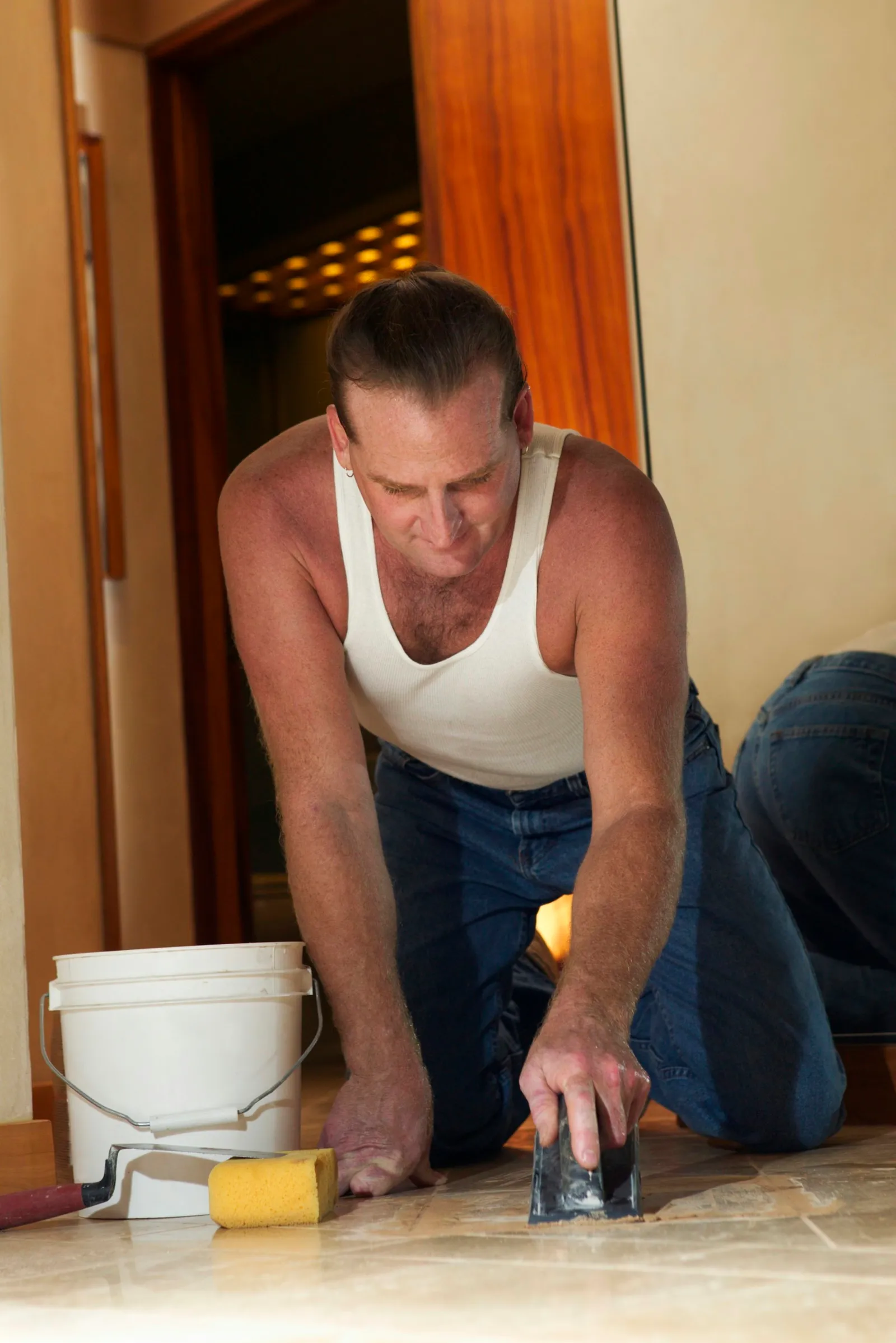
Work quickly, because quick-set dries fast.
Quick-set mortar is manufactured with a formula that shortens cure time, which makes it a practical choice when a flooring job has to be finished on a tight schedule. With most quick-set products, grouting can begin two to four hours after application. That gap between the two-hour and four-hour marks matters when you are working against the clock. If you want the mortar to be ready closer to the two-hour point, the room conditions need to be right before you begin spreading it.
Step 1
Warm the room as much as you can. Switch on the central heating and bring the temperature above 70 degrees Fahrenheit. A warmer room causes the quick-set to set faster. Avoid working in temperatures above 95 degrees, though, because the mortar will cure too rapidly to be usable.
Step 2
Bring the humidity level down. More moisture in the air means a longer cure. In areas where humidity is high, a dehumidifier is the best option. Close the windows and run the dehumidifier for a full day before you apply the quick-set. Where humidity is lower, an air conditioner or a circulating fan placed in the room or near the doorway can move enough air to lower the humidity noticeably.
Step 3
Make sure the tile stays dry. Older mortar formulas call for wet tiles to extend the drying period and promote adhesion. Quick-set formulas are different: they require dry tile. If the tile is wet, the drying time will be extended substantially.
Step 4
Mix the mortar exactly as the manufacturer directs. Measure both the powder and the water with a measuring cup so the proportions are precise. Adding too much water lengthens the drying time. Should part of the quick-set begin to dry while you are spreading it, do not introduce more water. Instead, keep stirring the mix as you work so it stays hydrated. If the mortar becomes too dry to spread, throw it out and prepare a fresh batch. Mix that second batch in a smaller quantity so you can use it up before it dries.