Achieving a Natural Edge on Slate Tiles
Slate's porous, matte surface appeals to many, but cut edges on steps or platforms can appear too rough or overly smooth. The goal is to match the edge texture to the surface, not to create a high-gloss polish like marble. This guide outlines a method using a grinder and polishing brick to achieve a natural-looking edge.
By Sawyer Carter3 steps
Everyone likes a well-laid floor
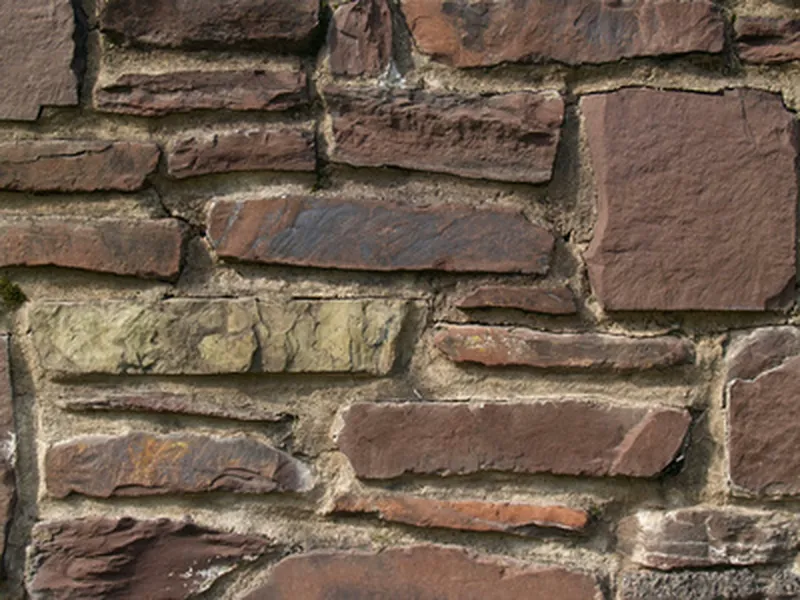
Many homeowners appreciate slate for its dull, porous texture and natural matte appearance. However, when slate is used on the edge of a step or platform, the rough-cut edges may be unappealing. Polishing the edges to a high shine, as one might do with marble, would result in an overly glossy look. Even a wet saw can leave slate edges that appear too smooth relative to the surface. Matching the edge texture to the surface texture requires some skill.
Step 1
Set a slate tile on the workbench so that the edge faces you. Secure the tile between a piece of scrap lumber and the workbench using clamps. Adjust the grinder to a low speed and attach coarse pads.
Step 2
With the hand-held grinder, gently grind the edges of the slate. Create a 45-degree bevel on the top edge, or choose a rounded edge or no angle, based on your preference. Move the grinder in slow, sweeping arcs. Continue grinding until the desired shape is achieved. Avoid over-polishing.
Step 3
Hold the polishing brick at the preferred angle against the edge facing you. Polish gently, slightly beveling the top edge if desired. Keep the brick moving in circular motions. Be careful not to dig too deeply into the soft slate. If needed, repeat with finer grit sandpaper. The process is complete when the edge texture matches the surface texture.