Comparing Lustre and Glossy Photo Surfaces
Photo papers and coatings come in several varieties. A glossy print has a smooth, reflective surface, while matte paper appears flat and has a textured feel. Lustre, a finish positioned between the two, borrows traits from each. The right choice hinges on the photo's intended purpose, what the image depicts, and what the user prefers.
By Sam Mitchell
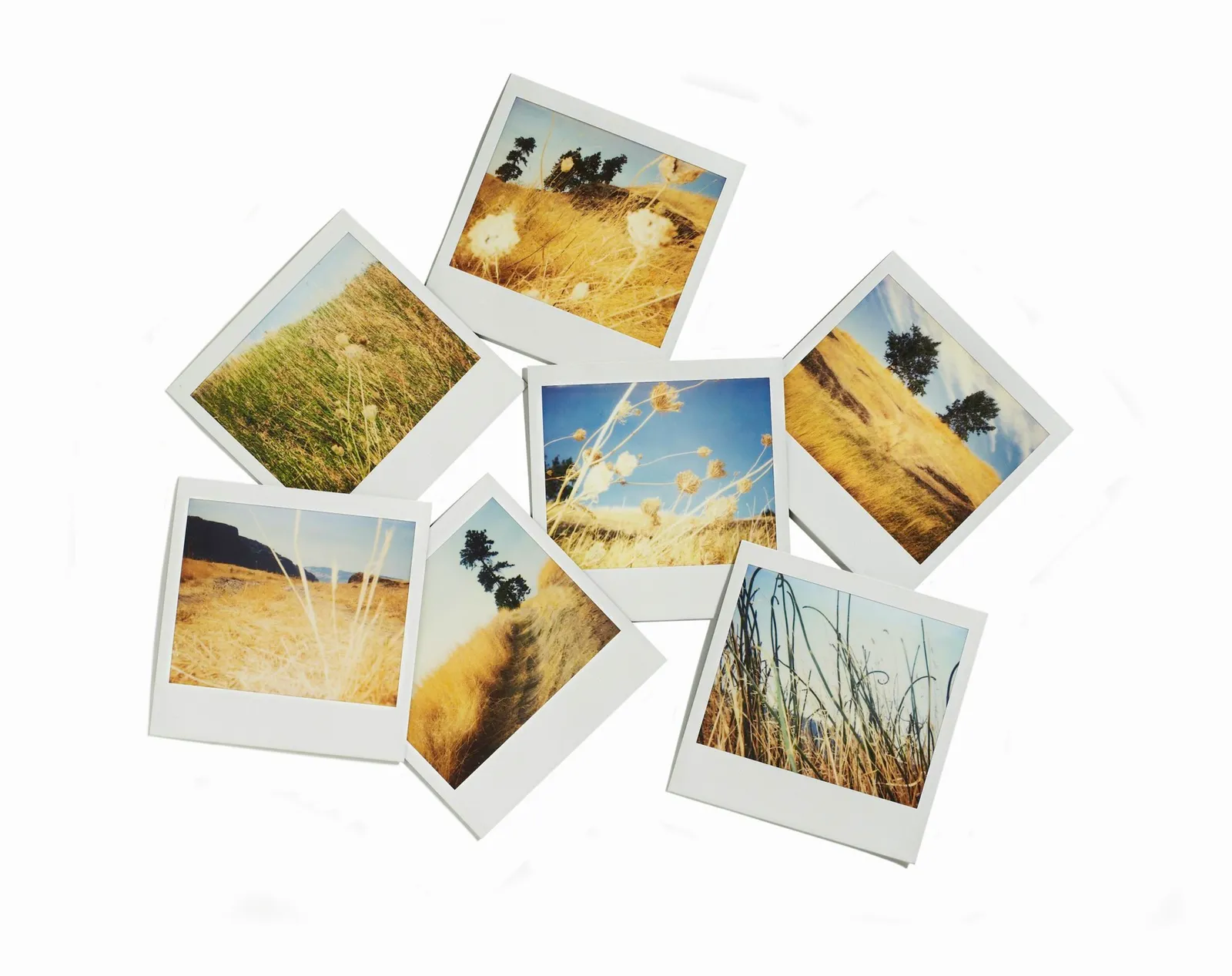
Lustre finish provides a soft texture to photographs.
Those who print photographs or buy them ready-made can select from a range of paper types and coatings. A glossy photo presents a smooth, reflective surface, whereas a matte photo looks flat and feels textured. Sitting between these two options is a luster finish -- frequently written as "lustre" -- which combines qualities of both. Which one suits a given situation comes down to the planned use of the image, the subject matter within it, and individual taste.
Glossy: Maximum Shine
A glossy photograph has a smooth, bright surface. Because glossy prints carry greater contrast, pictures tend to look crisper and hues appear more intense. People frequently choose glossy when clarity is the priority, and it is also a common pick for technical prints that require fine detail. The drawbacks of a glossy surface include strong reflectiveness and frequent, noticeable glare. On top of that, fingerprints transfer onto it with ease and smudging happens often.
Matte: Built to Withstand Handling
Matte surfaces are flat and do not reflect light, so glare is not an issue. The paper carries a textured, "pebbled" appearance and feels soft when touched. Unlike other finishes, matte prints resist showing fingerprints and smudges. This characteristic makes matte a frequent choice for wallet-size photos that get handled a lot. With such prints, the image stays intact because they can be passed from person to person with little concern about marks or smears appearing on the surface.
Lustre: A Middle Ground with a Soft Glow
In terms of both sheen and texture, lustre falls between matte and glossy. It has a moderate texture and carries a certain amount of shine. Fingerprints and smudges do not appear on it as readily as on glossy, though it lacks the toughness of a matte finish. Where a glossy surface accentuates contrast to produce sharper images, lustre tones that contrast down. As a result, it tends to work best for gentler, more emotional pictures. Lustre prints do reflect a little light, but the visual effect they create reads as a soft glow rather than the harsh, glaring surface that defines glossy prints.
Choosing the Right Surface
Whether a glossy or lustre finish is the better fit is frequently a matter of personal taste. For a photo headed into a frame, lustre is commonly the favored option. Glossy prints have a tendency to adhere to glass, so if a glossy image is going to be framed, leaving a gap between the photo and the glass is advisable. Should the photo be displayed where sunlight reaches it, glossy prints reflect strongly and will probably show glare from a range of viewing angles. Lustre also outperforms glossy for pictures that will be handled or circulated. Photographers who shoot portraits and weddings tend to favor lustre prints, since lustre is softer and conceals flaws.