Adding Metal Trim to Plywood Surfaces
Plywood is a low-cost, versatile material that many DIY enthusiasts pick for household projects, and attaching edging to the sides of plywood tables and counters gives them a more polished appearance.
By Drew Scott
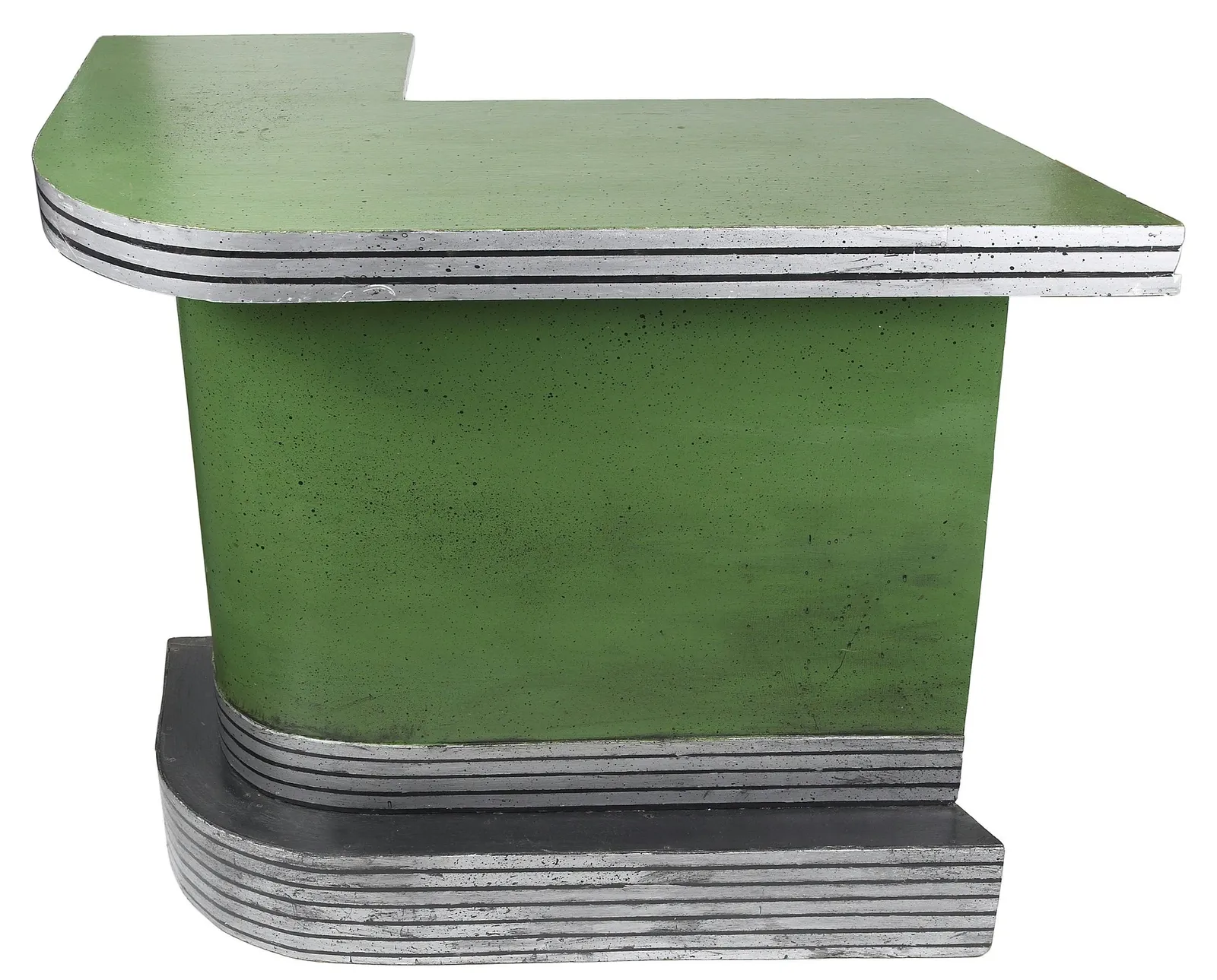
Metal edging is commonly found on laminate countertops but can be installed on plywood surfaces as well.
Because plywood is versatile and tends to be affordable and simple to work with, do-it-yourselfers frequently select it for projects inside and around the home. When plywood is used to build tabletops and countertops, many people add edging along the sides so the finished piece looks more complete.
Advantages of Using Metal Edging
A plywood surface can take on an industrial appearance with metal edging. Beyond aesthetics, metal edging serves practical purposes. If liquid is spilled on a plywood countertop, for instance, the edging will contain it and keep it from reaching your floor or carpeting. Protecting the wood is another advantage. If you need to move a table sideways by yourself and its edges scrape against concrete, the metal edging will shield the plywood.
Where to Find It
Most hardware and home improvement stores carry metal edging, including stainless steel edging that resists corrosion. Metal edging typically is sold in long strips. These can be cut to size at the store when you know the measurements in advance, or they can be cut using a pair of tin snips.
Selecting the Right Edging
Do-it-yourselfers can pick from a range of metal edging options. As you make your choice, determine whether you want edging matching the exact width of the plywood edges or slightly wider, and then decide among glued, screwed or clamped-on edging. Clamped-on edging is the best choice if you also want the edging to stop spills on countertops.
Installation Steps
Fortunately, putting metal edging on plywood is not difficult and does not take much time. That said, each type of metal edging calls for a different installation method. With clamp-on edging, you just slide the edging over the plywood and line up the lips of the metal edging with the top and bottom of the plywood, then apply the clamps. For screw-on edging, drill pilot holes along the plywood that align with the pre-drilled holes on the edging. When the edging has no pre-drilled holes, place screws at 6-inch intervals. With glue-on edging, apply adhesive to both the metal edging and the plywood edge, press the edges together and hold them until dry.