Evaluating Spray Foam Insulation for Roof Rafters: Benefits and Drawbacks
Applying spray foam insulation to roof rafters and attic surfaces presents both positive and negative aspects. Although the upfront expense tends to be higher, it can reduce utility costs and may be a do-it-yourself project with contractor guidance. On the other hand, poor application quality can reduce effectiveness, and open-cell foam that isn't sealed may take in moisture, potentially leading to roof decay or leaks.
By Harper Young
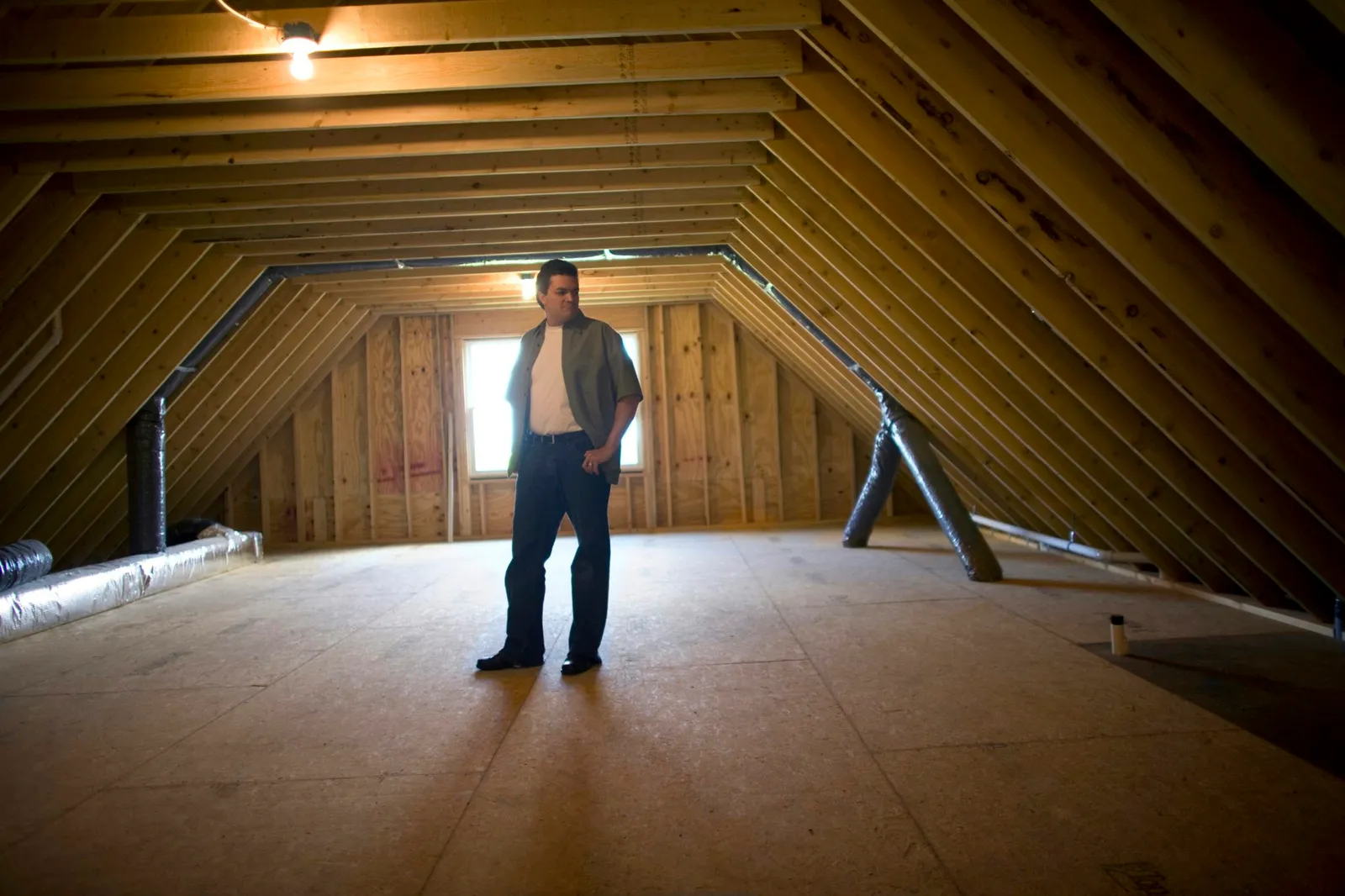
Homeowners can install spray foam insulation by themselves..
As with numerous construction materials, spray foam insulation designed for roof rafters and attic surfaces offers a mix of benefits and drawbacks. For instance, while the application itself tends to be fairly expensive, it can still reduce expenses by cutting energy costs and may allow homeowners to install insulation themselves with some help from a contractor. However, if the foam is applied unevenly or carelessly, the insulation may fail to perform, and open-cell foam that remains unsealed can soak up moisture, which may result in roof rot or leaks.
Ease of Use
Polyurethane or polystyrene spray foams are capable of delivering comprehensive coverage to roof rafters and attic walls far more quickly than alternative materials. Solid insulation products demand precise measuring, cutting, and fitting, but spray foam can instantly coat even highly irregular surfaces. As noted by Pandi Foam, spray insulation may even assist in holding older, rusted nails in position. Because application is straightforward, homeowners can handle the job on their own. On the downside, the very convenience of this material might lead overconfident amateurs to apply it in a sloppy or unskilled manner.
Expense
When it comes to cost, spray foam can be a double-edged sword, according to RLC Engineering. Covering a specific area with spray foam carries a higher initial price than using an equivalent quantity of mineral wool batting or other insulation types. Nevertheless, because it can completely fill even the smallest gaps, it delivers greater thermal resistance, which translates into improved energy efficiency and reduced utility bills. The option to apply spray foam yourself rather than bringing in a professional can also produce considerable savings.
Moisture Behavior
GreenbuildBuildingAdvisor.com points out that spray foam applied to roof rafters may either block water vapor or take it in, depending on whether the installation uses open-cell or closed-cell foam. The denser closed-cell type does not easily absorb moisture, whereas open-cell foam can pull it in much like a sponge. Once damp, the foam may pass moisture along to rafters and decking materials, which can cause rot or leakage. When open-cell spray foam is used on roof rafters, the finished surface should be coated with a paint or sealant that slows water vapor transmission.
Additional Points
For spray foam insulation to perform at its best, roof rafters and the areas around them need to be covered as completely as possible. Even minor gaps may let warm air move through the foam, making it nearly ineffective as an insulator. It may also be necessary to check the foam periodically for shrinkage that has caused it to separate from the rafters and leave open spaces.