Beginning Your Solar Journey: Practical Pointers for Homeowners
For those looking to adopt solar power at home, the environmental payoff comes from cutting the greenhouse gases that would otherwise be emitted daily. A gradual approach is possible, allowing homeowners to expand their use of solar as budgets and familiarity permit, and surplus power generated may even result in a credit from the utility company. Recommended first steps include solar water heating, small-scale solar panel kits, and professional help for space heating, with every home needing a backup system since solar supply can fluctuate.
By Drew Lee
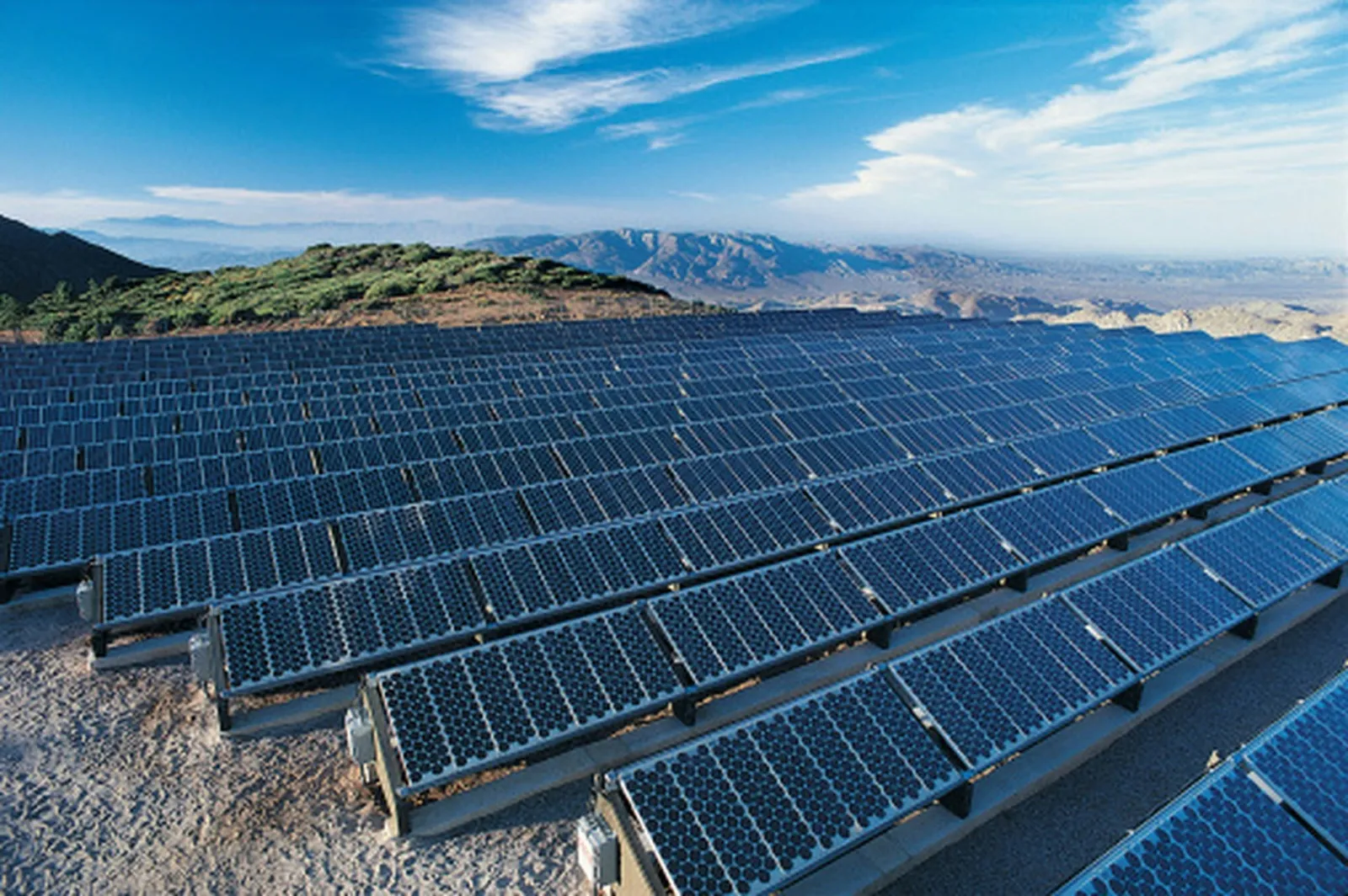
Homeowners can ease into solar energy as their budget allows.
Shifting to solar power brings a significant environmental upside: it dramatically cuts down the greenhouse gases that would otherwise be sent into the atmosphere every day. As more people make the switch, the planet stands to gain.
On an individual level, those who install solar in their homes can also lower what they pay for energy each month. A homeowner does not have to commit all at once — participation can be expanded step by step, matching both the available budget and the homeowner's growing understanding of solar technology. When a system generates more electricity than is needed, the utility company may actually owe the homeowner a payment.
Heating Water with Solar Energy
For someone taking their first steps into solar, water heating is often suggested as a good place to begin. Residential solar water heating setups typically consist of storage tanks and solar collectors. Two main categories of these systems exist today. One is the active type, which relies on circulating pumps and controls. The other, the passive type, moves water through natural circulation as its temperature changes.
An insulated storage tank is required for a solar water heater, since it holds the water heated by the solar collectors. Many designs actually use two tanks; the second one preheats the water before it reaches the solar collector.
Solar Panels for Those Just Starting Out
Solar panels capture energy from the sun and store it so it can be used later in a home. Not long ago, purchasing panels and hiring a skilled technician to install them was a very expensive undertaking.
These days, however, solar panel kits are available and can be put in place with relative ease by most people, no matter what their technical experience may be. In fact, a number of them simply plug into a standard 120 volt AC power supply. Kits come in a range of sizes to suit virtually any budget. For a homeowner who is interested, a suggested first move is to buy a relatively small 100 to 250 watt solar panel and assess how it performs before going any further.
More Advanced Solar Applications
Running home lighting and small appliances on solar power is achievable by picking up a few portable solar panels, but using solar energy to heat an entire home is a different challenge altogether. That is the point at which an expert's services should be brought in.
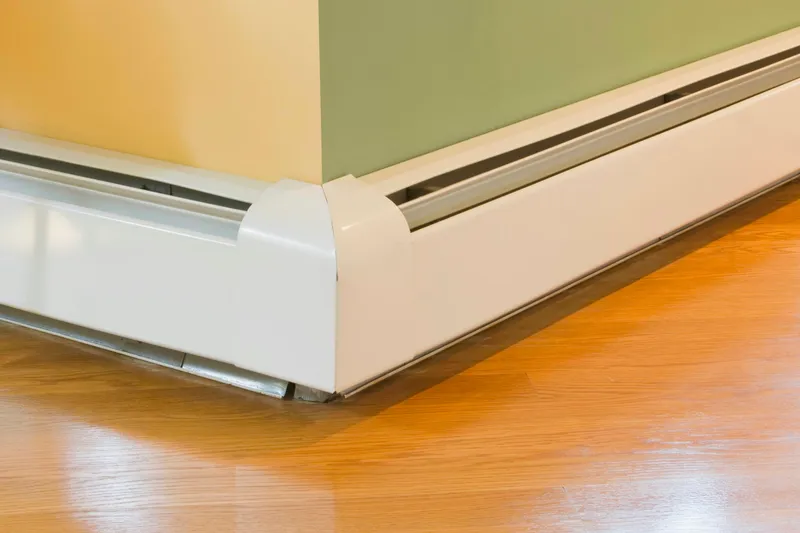
Heating the space inside a home with solar energy involves a network of pumps, fans and blowers. The heating medium may be air-based, in which heated air is stored and then moved through the house via ducts and blowers, or it may be liquid-based, in which heated water is sent to radiant slabs or hot-water baseboards.
A Few Additional Points
Before making the switch to solar energy, it is important to recognize that no two homes are alike, so their needs differ as well. A house tucked into a forest, for example, will find solar energy harder to use than one located in an open field.
Lastly, whichever solar option a homeowner selects, a backup energy system is necessary for every home. There can be times when solar energy is not consistent.