Selecting the Right Base for Armstrong Alterna Vinyl Tile
Getting the subfloor and any underlayment right is essential when putting down resilient vinyl flooring. Armstrong Alterna tile is versatile enough to go over numerous surfaces and materials, among them existing vinyl floors, but knowing the manufacturer's guidance and cautions first helps ensure the job lasts.
By Jordan Ward
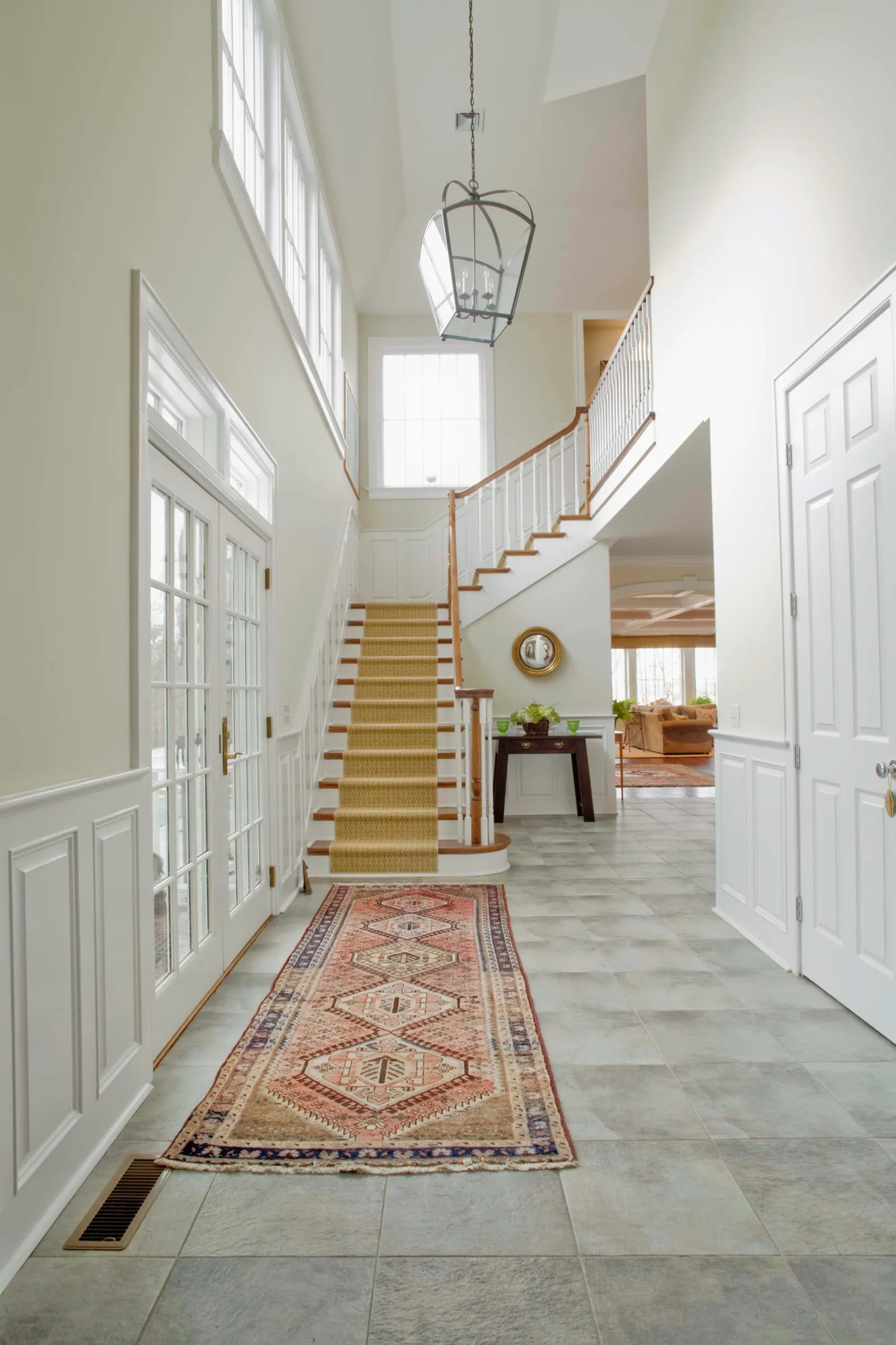
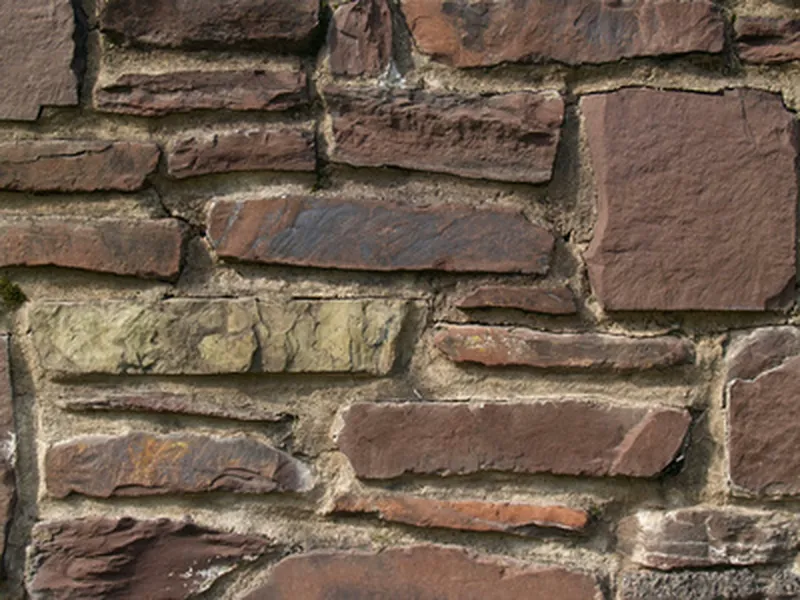
Armstrong Alterna tiles mimic the look of natural stone.
The long-term performance of a vinyl floor depends heavily on how well the subfloor and any underlayment are prepared. Armstrong Alterna tile, like many resilient floor coverings, is designed to be installed over a broad range of materials and surfaces, and that includes existing vinyl flooring. Before beginning the installation, review Armstrong's underlayment recommendations and warnings so the finished floor performs as expected and avoids future issues.
Underlayment Products That Are Approved
An underlayment is not necessary for every Armstrong Alterna installation, since the tile can be laid directly over a number of existing floor coverings. When an underlayment is required, Armstrong's recommendation is exterior-grade APA plywood with an Exposure 1 rating. Other acceptable choices include poplar, birch, Type 1 lauan plywood, or fiber cement products made specifically for installation beneath vinyl or resilient flooring. Particleboard, wafer board, and oriented-strand board should not be used as underlayment beneath this flooring.
Fasteners for the Underlayment
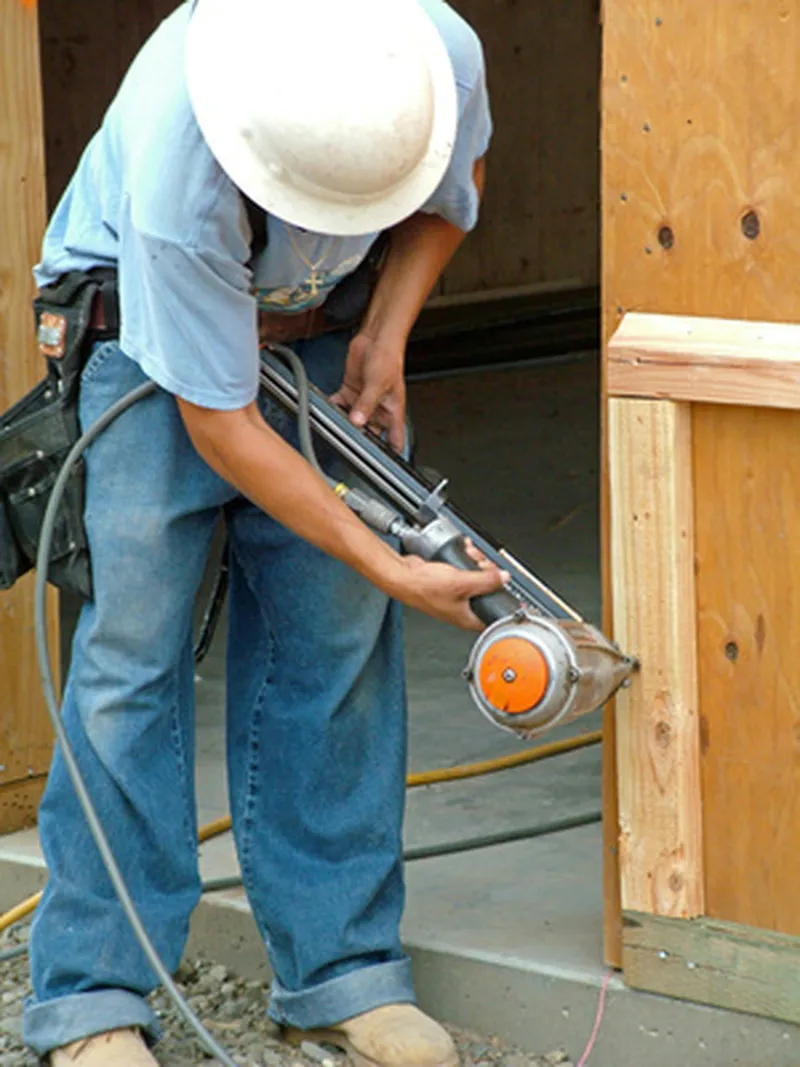
For fastening underlayment, Armstrong calls for ring shank nails, which should be driven flush with the board's face instead of being countersunk. No specific nailing pattern is issued by the company; instead, it advises following the nailing pattern that the underlayment manufacturer recommends.
Wood Subfloors That Qualify
Alterna vinyl floors may be installed over any wood subfloor that is at least 1 inch thick and has a minimum of 18 inches of air space beneath it. When the subfloor is standard 3/4-inch plywood, a 1/4-inch plywood or comparable underlayment must be added. A 1/4-inch plywood underlayment may also be used over tongue-and-groove wood flooring whose planks are no wider than 3 inches. In the case of all other wood floors and subfloors, Armstrong's guidance is to use a 1/2-inch underlayment. Wood subfloors that sit directly on concrete without an 18-inch airspace between them should never be used for this product.
Concrete Subfloors
If a concrete subfloor is smooth, even, fully cured, and dry, Alterna and other vinyl floors can be installed directly on it without adding an underlayment layer. Before laying tile, test the surface for both moisture and pH. The maximum moisture level that is allowed falls between 80 and 90 percent, depending on which Armstrong adhesive is paired with the Alterna tile. For the installation to succeed, the concrete pH needs to be 9 or lower.
Floors Already in Place
A single layer of existing vinyl flooring that is firmly attached can serve as a substrate for Armstrong Alterna tiles. Where the existing floor has multiple layers, sits below grade, or is made of cushioned resilient flooring, a plywood underlayment becomes necessary. If the existing surface is textured or embossed, Armstrong cement-based underlayment should be used to create a smooth surface before the new vinyl flooring goes down. When installing over vinyl or another resilient floor, avoid letting joints overlap on the existing tiles.