Effective Methods for Protecting MDF from Moisture
Medium density fiberboard (MDF) is a glued composite material formed by pressing wood chips with hydraulic rams. While it offers strength as a building material, it must be kept away from any moisture exposure. Proper sealing is necessary for uses like cabinets and ducts. This article covers four sealing options: paint, lacquer, varathane, and sanding sealer.
By Casey Scott
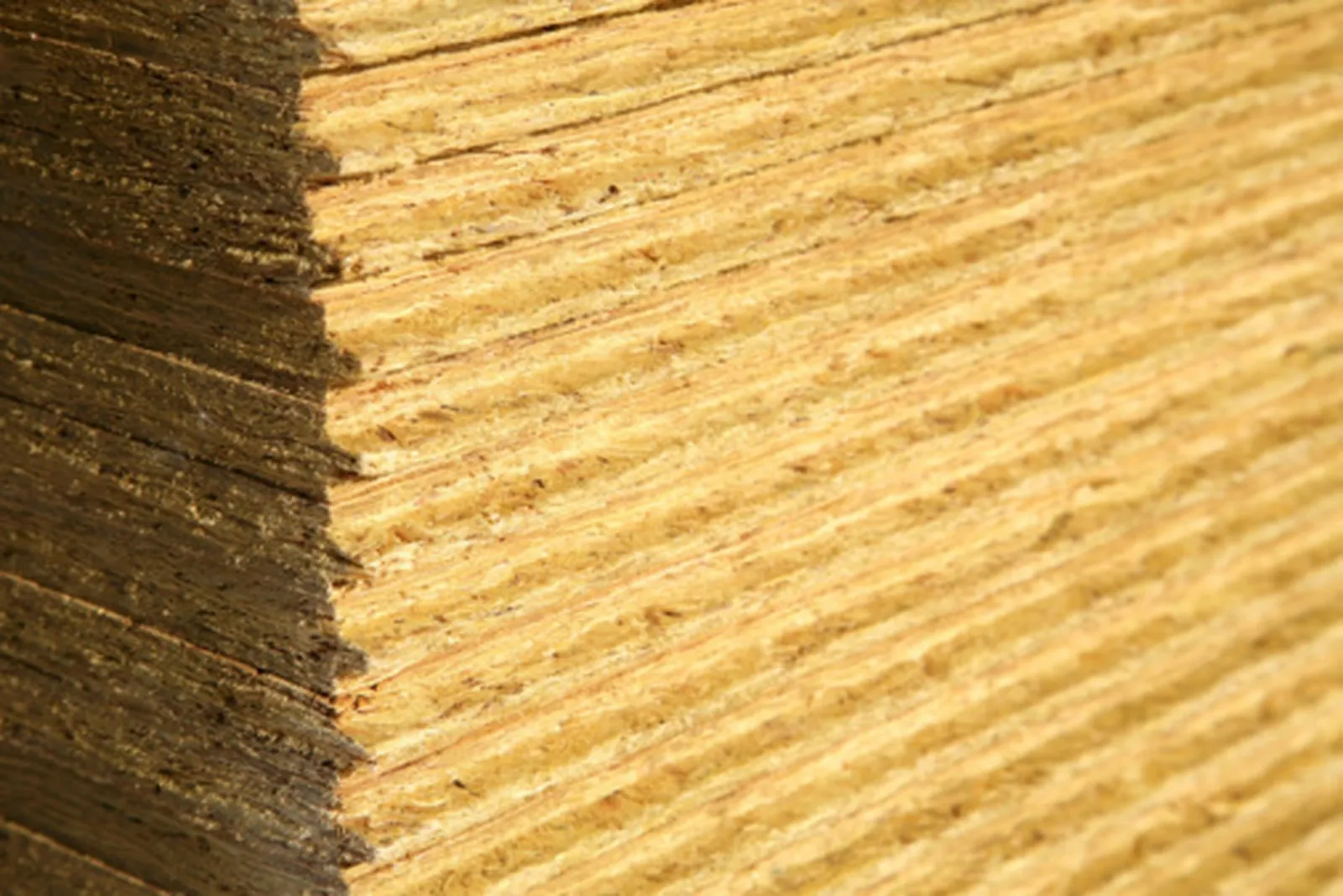
MDF should always be sealed to prevent moisture penetration.
In the construction sector, MDF—short for medium density fiberboard—is a composite wood product. It is manufactured by combining wood chips with glue and subjecting the mixture to high pressure from hydraulic rams. Although MDF is a robust building material, it cannot come into contact with moisture under any circumstances. Whether used indoors or outdoors, such as in cabinets and ducts, MDF needs to be sealed correctly at all times.
Paint
The paint seal is likely the most widely used option. Because MDF has a hard, smooth, and level surface, it accepts paint easily. Cabinetmakers often rely on MDF when constructing raised panel doors. These cabinets, sometimes called "European style," appear in both residential and commercial structures. Given the slick finish of MDF, the preparation involves only sanding the edges and removing saw-marks from the surface. After that, spraying one or two coats of enamel paint will seal the MDF against moisture penetration.
Lacquer
Standard lacquer is used more than any other product to seal MDF. The lacquer works its way into the microscopic layers of the material and hardens within the fibers. Within minutes, it forms—or "flashes"—over the MDF surface, providing an initial layer of coverage. A single coat of lacquer is enough to seal MDF. However, if you lightly sand that first coat and then apply a second one, the result is an exceptionally glassy-smooth finish that offers protection that can last almost indefinitely.
Varathane
Varathane is the appropriate choice for any MDF that will face direct weather exposure when placed outside. For situations involving direct sunlight, only varathane formulas that include UV protections should be applied. Sealing MDF properly with varathane takes more time because each coat can require up to 72 hours to dry. As a result, varathane is generally reserved for cases where other products cannot provide adequate protection.
Sanding Sealer
Cabinetmakers frequently turn to sanding sealer for sealing various types of MDF. Sanding sealer is simply lacquer with a thicker consistency. Its dense particle-load builds up rapidly on the MDF surface, creating a moisture barrier. Before cabinets are installed, sanding sealer is routinely sprayed onto them, and it is also applied to raised panel doors prior to painting for added protection. Just as with any MDF project, all edges should receive a coating of sanding sealer as well.