When Recycling Building Materials Backfires
Finley Hayes
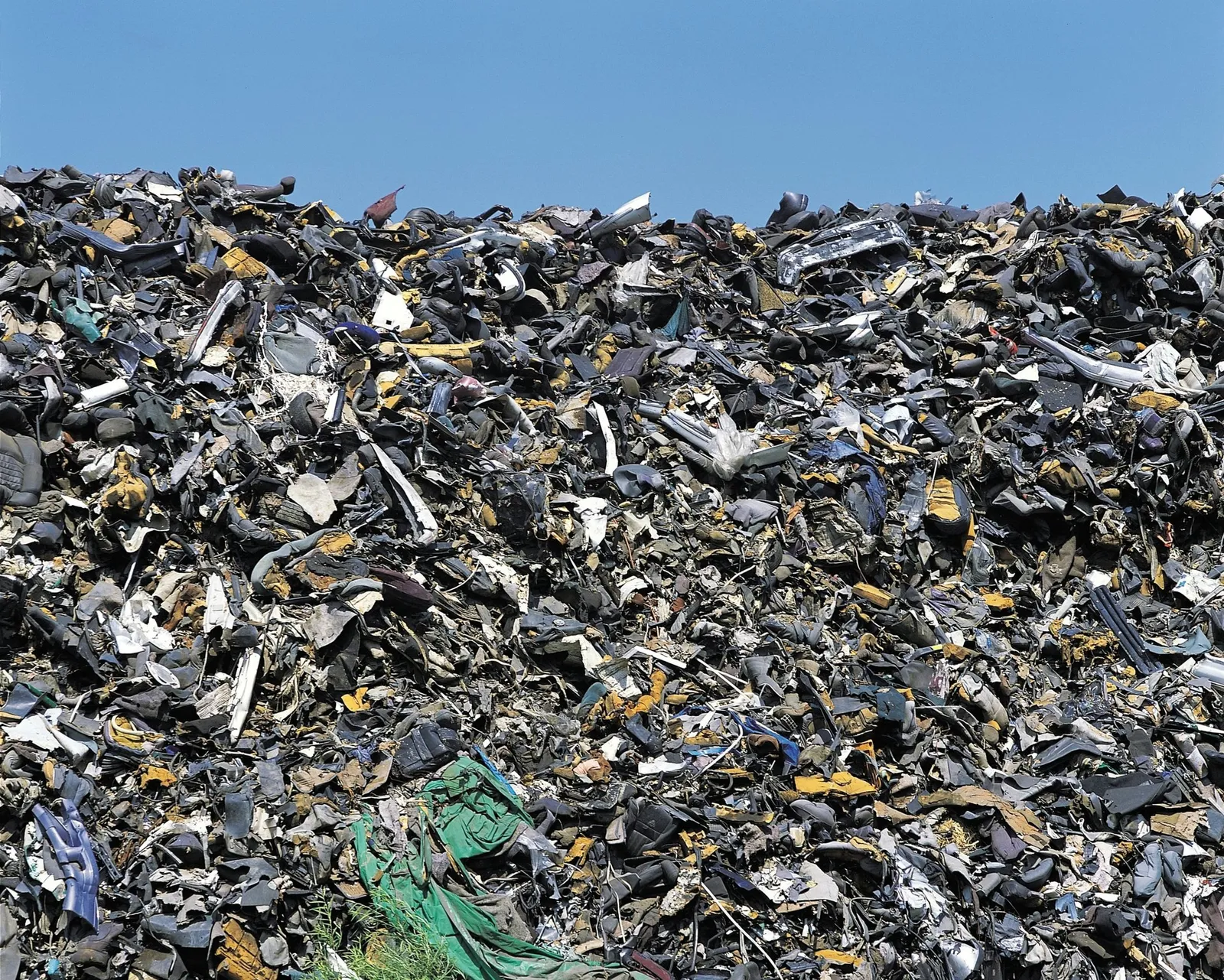
Extracting and sorting materials from a landfill can be a costly endeavor.
Two good intentions can sometimes produce a bad outcome. Building materials that are recycled, reused, or repurposed may work against other environmental goals. Consider that many eco-friendly buildings achieve high energy efficiency partly through modern synthetic materials that insulate better and hold up stronger than conventional options. Salvaging old materials can ease pressure on natural resources, but there is a trade-off to consider. Should we reuse old, leaky windows with lead-tinted glass, or is it preferable to make new ones? Structural wooden beams might still be sound, yet what happens if they carry lead paint contamination? Before repurposed or recycled building materials go into new projects, they need rigorous scrutiny.
Expense
Charles J. Kibert and Jennifer L. Languell, writing about problems with recycled materials, observe that "sorting and processing construction waste materials leaves little room for improvement. Debris in the mixed state requires tedious and labor-intensive separation." Because of this, material salvage often only becomes financially viable when governments step in with subsidies. That said, the same authors point out that government subsidies frequently also prop up the extraction of virgin materials. Improved approaches are needed for separating, sorting, and storing usable building materials before they end up in landfills.
Pollutants
Every year, thousands of buildings slated for condemnation are torn down. A large share of the wood from these teardown sites remains structurally usable, yet it sometimes harbors contaminants like lead paint, which complicates its reuse in new building products. In 2005, the U.S. Department of Agriculture published a report on lead-contaminated wood products. The report described the obstacles to repurposing such material, noting that the Occupational Safety and Health Administration enforces strict rules barring worker exposure to lead paints, alongside limits on lead in consumer goods. As the report put it, "much of this material would be valuable were it not for lead-based paint. In addition to wasting potentially valuable resources, the practice increases the landfill burden and the stress on natural systems."
Energy Performance
Environmental improvement efforts can sometimes collide with one another. Reusing building materials, for example, might lessen the strain on natural habitats, but certain materials fail to satisfy today's energy efficiency standards. Kibert and Languell explain that "the sale of salvaged windows may not have the same energy efficiency of new windows and may carry other detrimental environmental effects," including lead-tinted glass.
Tear-Down Practices
Concerns about health hazards and the demands of new construction frequently rush the demolition of condemned buildings. The wrecking ball, however, is anything but delicate. Careful salvaging is required to recover many of the materials inside these structures for reuse. According to Kibert and Languell, "the demolition contractor is often contacted by the project owner and is under a time constraint requiring construction to begin in a matter of days. This time constraint will not allow for the deconstruction process to occur." The extra labor needed to methodically deconstruct such buildings can cancel out the savings that come from using repurposed materials.