Polyester Resin Across Industries: From Construction to Consumer Goods
Formed by combining organic acids with alcohols, polyester resin is a synthetic substance available in liquid, gel, or film form. Its varied characteristics have led to widespread use across numerous sectors, from building components and vehicle manufacturing to packaging and household appliances.
By Taylor Miller

Many architectural details are made from foam coated with fiberglass and polyester resin, and painted to match the building.
Polyester resin is a synthetic substance produced when organic acids react with alcohols. It is available in multiple forms, such as liquid, gel, and film, and its varying characteristics make it valuable across a wide range of industries. The material's lightweight nature and resistance to weather have made it a favored choice among architects, builders, engineers, and designers for numerous applications.
Building and Construction Applications

Many prefabricated shower stalls are made of polyester resin and acrylic.
Polyester resin serves as a source of lightweight strength in many materials used for home construction. Shower stalls and closet fixtures that are prefabricated frequently consist of a blend of polyester resin and acrylic. Decorative metal components are commonly gel-coated with a polyester resin-based colorant so they coordinate with the surrounding decor. For architectural details such as columns and balustrades, hard foam can be carved into shape, then covered with fiberglass and polyester resin to provide structural integrity and protection from the elements, and finally painted to match the building.
Use in Vehicles, Aircraft, and Watercraft

Many small aircraft include polyester resin components.
In the production of body panels for cars, planes, and boats, polyester resin's adhesive qualities are sometimes employed to bind together layers of fiberglass. Its low weight makes it well-suited for racing vehicles and light aircraft. However, because it retains water at a high rate, boat builders have largely moved away from using it, turning instead to epoxy resin in most cases. Even in some instances, steel body panels receive a coating of polyester resin-based colorant for aesthetic reasons.
Luggage and Packaging Uses
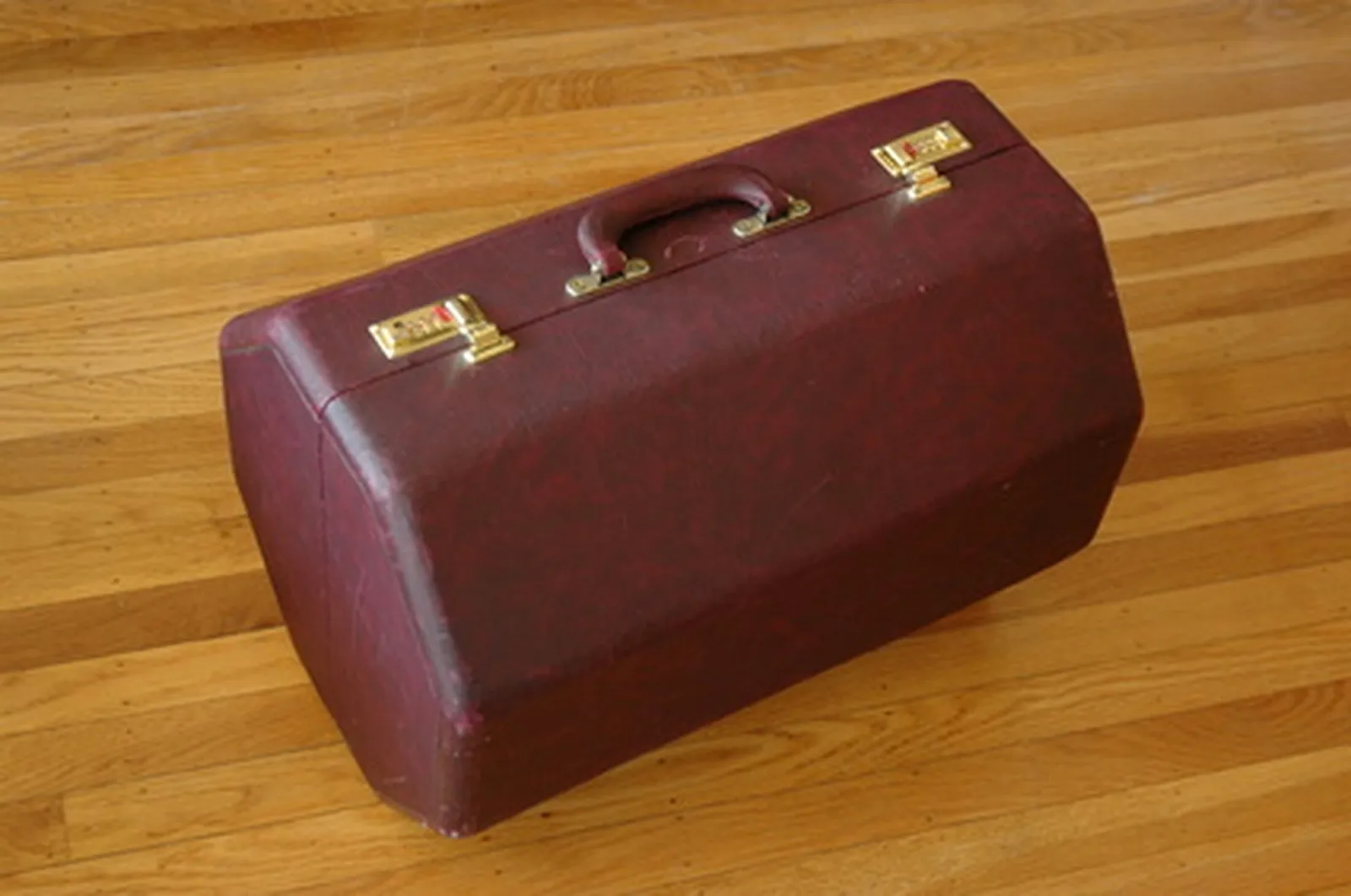
Many hard-sided suitcases are made from polyester resin panels reinforced with fabric or leather.
Polyester resin can be dried into a film and shaped into sheets while staying transparent, which makes it well-suited as a packaging material. As vacuum forming and heat sealing technologies advanced, new packaging methods utilizing polyester resin as a base material emerged and remain among the most widely used forms of packaging for small items today. The same qualities that suit polyester resin for packaging also make it a good fit for luggage. Suitcases and briefcases frequently incorporate polyester resin panels that are reinforced with fabric or leather to enhance their appearance.
Household Appliances and Furniture
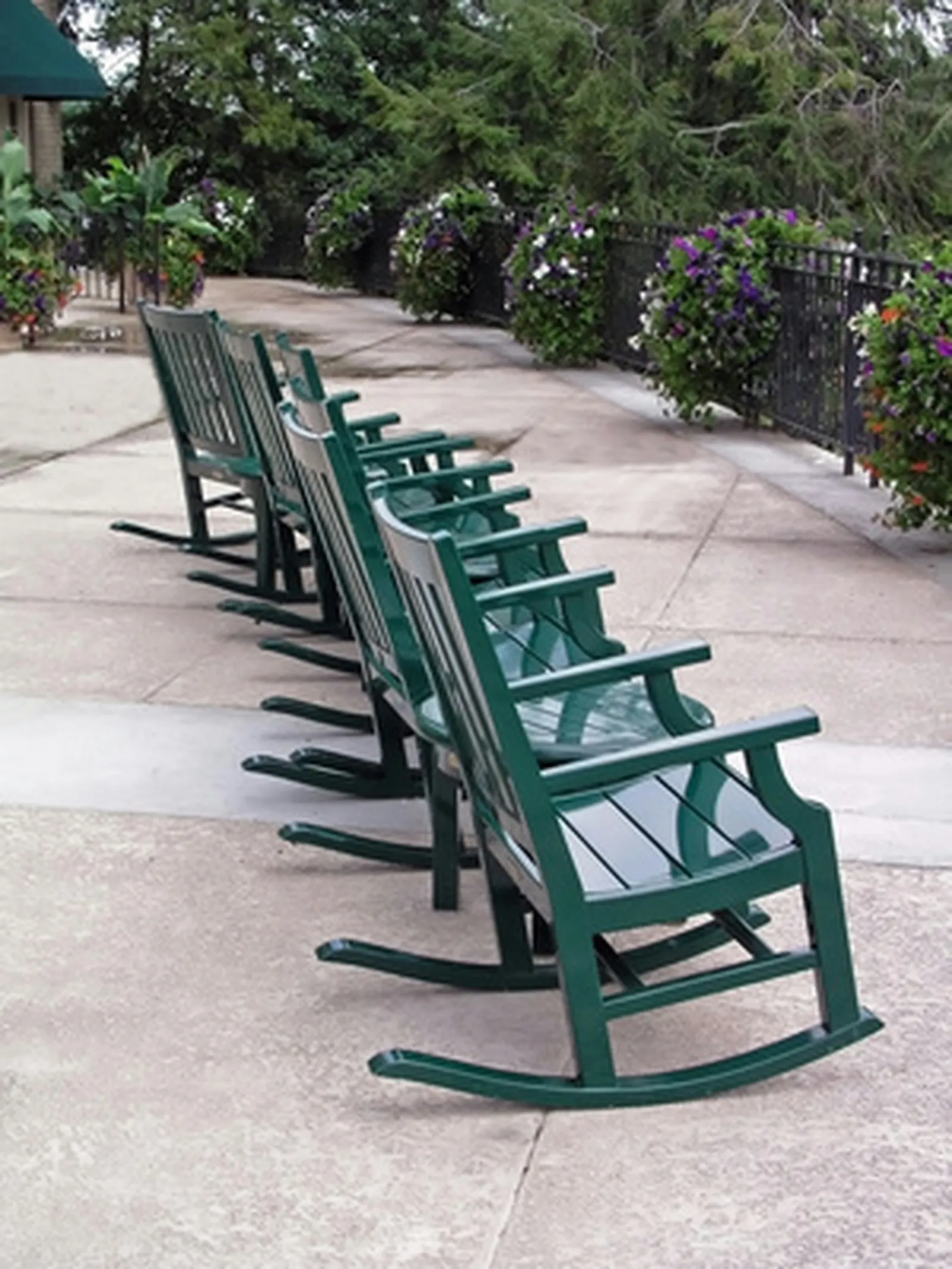
Patio furniture made from polyester resin is inexpensive, weather-resistant, and sturdy.
Inside many appliances that handle water, such as dishwashers and washing machines, polyester resin is often used to bond fiberglass. Although these fiberglass and resin linings are associated with budget models, they offer an advantage over stainless steel interiors: they resist dents and rust. The lightweight strength that has made polyester resin popular in so many other products also makes it suitable for producing patio furniture. It also possesses the needed traits of being waterproof, able to withstand weather, and inexpensive to replace.