A Guide to Selecting the Right Hardware for Your Cabinets
Understanding hinge mounting styles and closing mechanisms is key to picking hardware that suits your cabinet construction, door coverage, and desired aesthetic. The choices range from concealed European-style models to exposed traditional types, each with distinct installation and performance traits.
By Logan Davis
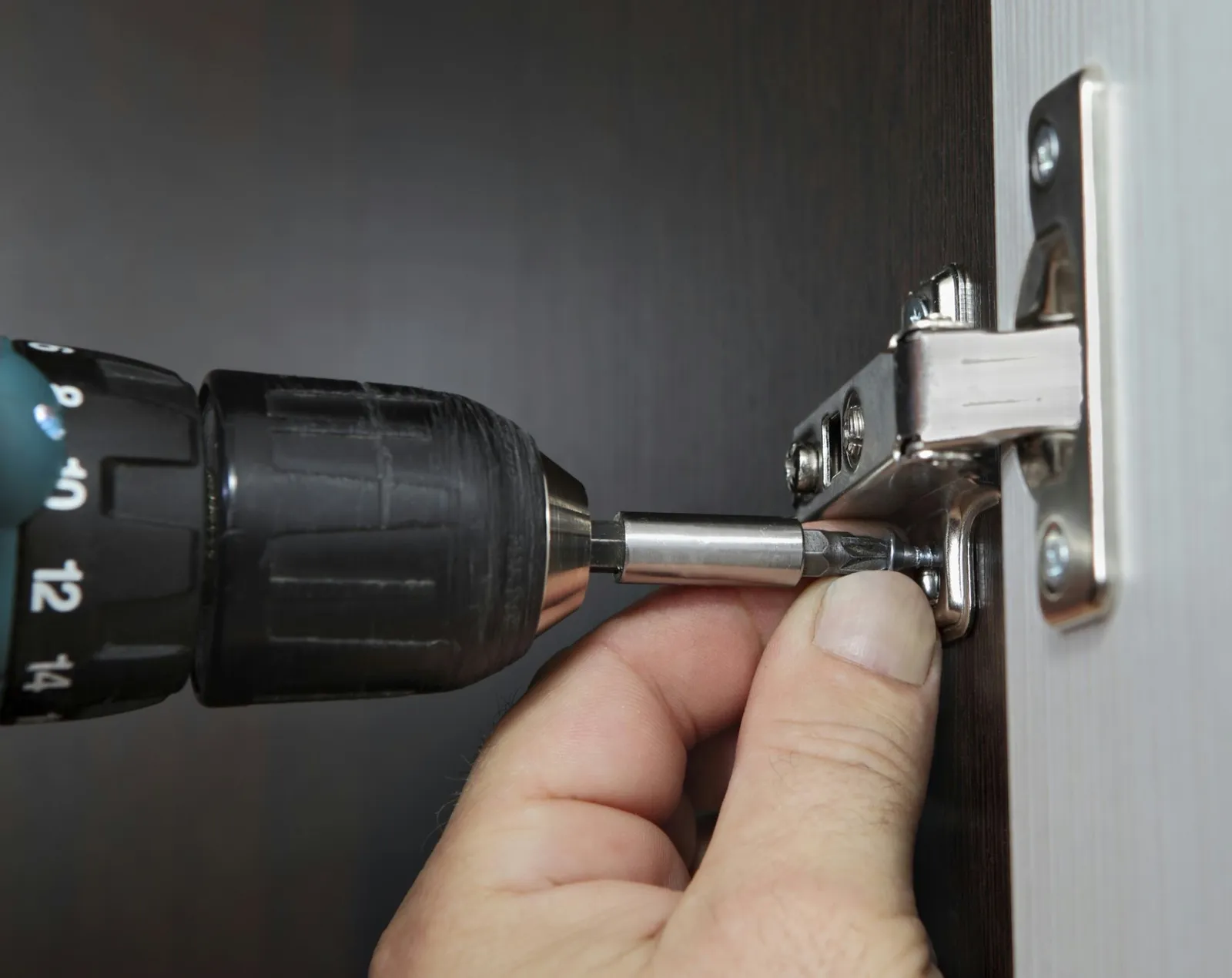
Set a powered drill or driver on low speed to avoid stripping.
At first look, picking out cabinet hinges can feel like a lot to take in, since they don't all work in the same manner. To make the right choice, you'll want to start by considering the kind of cabinet you have, the door style, how the hinge will be used, and the visual effect you're after. Gaining a clear picture of how hinges attach to the cabinet and how they let the door swing, shut, or ease closed will guide you toward the best match for both function and appearance.
Matching Hinges to Cabinet Construction
There are two broad categories of cabinets to keep in mind: face-frame and frameless. A face-frame cabinet features a solid wood border around the opening, usually measuring 2 to 3 inches in width. In contrast, a frameless cabinet—sometimes called European-style—lacks that frame and is basically a five-sided box. With a frameless design, the opening is clean and free of obstructions, showing just a 3/4-inch edge that the door hides when closed. Hinges made for frameless cabinets generally attach to the interior surface of the cabinet box and remain out of sight once the door is shut. Face-frame cabinets, on the other hand, most often rely on a hinge that is either fully or partly visible and is fastened to the face frame.
Overlay, Off-Set, and Full-Inset Variations
How much of the opening a door covers determines the hinge overlay. When a door is mounted with full-overlay hinges, it conceals the opening entirely, and this setup is standard for frameless cabinets. Partial or off-set overlay hinges are found on both face-frame and frameless cabinets. If a door covers half an inch of the opening, it's considered to have a 1/2-inch overlay. Cover 3/8 inch, and it calls for 3/8-inch overlay hinges. A third option, the full-inset hinge, is a concealed type that sits flush with both the door and the cabinet opening, allowing the door to rest completely inside the opening. When you begin comparing hinges, the overlay, off-set, or full-inset question should be among the first things you settle.
Concealed Hinge Designs
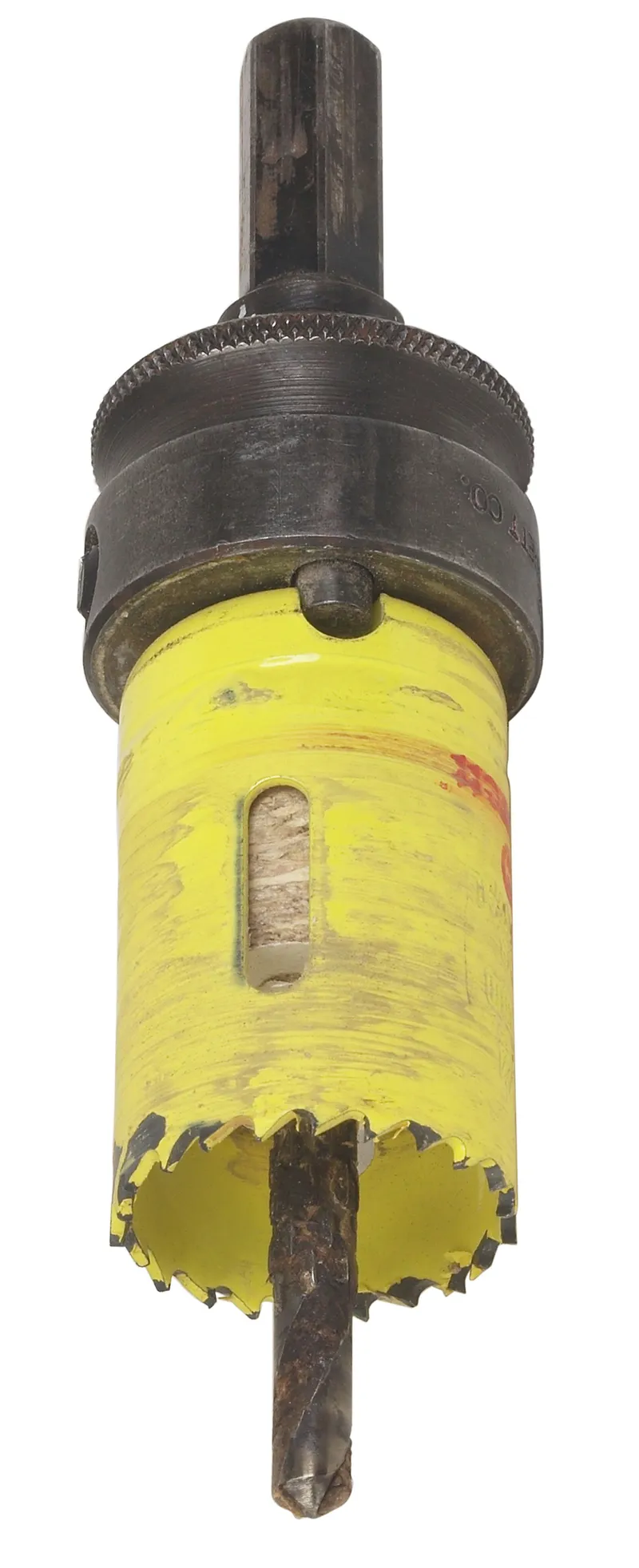
Concealed hinges, also known as European hinges, are installed within the cabinet and are generally intended for frameless construction. The cylindrical body of the hinge is recessed into the cabinet side. To install them, you'll use a template, a drill, and a Forstner bit to bore flat holes into the wood. One advantage of concealed hinges is their high level of adjustability, which lets you tweak the door's alignment after it's already on the cabinet.
Exposed Hinge Styles
When the door is closed, exposed hinges remain entirely in view, with equal parts showing on each side, making them a good fit for a rustic look. Butt hinges fall into the semi-concealed category: they are fastened to the inner edges of the cabinet and door, so only the hinge's barrel or cylinder remains visible. While fully concealed or overlay hinges often include springs or other mechanisms to slow the door as it closes, traditional exposed and semi-concealed hinges let doors shut without any resistance.
Closing Mechanisms to Consider
Hinges also differ in their internal mechanisms. Self-closing hinges draw the door shut once it's within a few inches of the cabinet. Self-opening hinges use a spring to push the door open slightly when you nudge it with your fingers. Soft-closing hinges slow the door down so it doesn't slam. As with any hinge, some people dislike the clunking sound the door makes when it meets the cabinet. To address this, some manufacturers include small rubber bumpers in the hinge packaging.
Installing Hinges Correctly
The weight and size of a door can affect how you install its hinges. Cabinet doors that are less than 40 inches tall usually need just two hinges. Heavier or taller doors, like full-length pantry doors, call for three hinges. Position the hinges so they look evenly spaced. Most cabinetmakers place hinges 2 inches from the top and bottom of the door and, when needed, center one in the middle. Certain hinges are made specifically for left- or right-hand doors—verify this before you buy.