Which Water Pipe Materials Have the Smallest Ecological Footprint?
From clothing to groceries, eco-conscious choices are now part of daily life. Yet the piping that carries water through our homes is often overlooked when considering environmental impact. A number of piping options are available that can reduce harm to the planet in multiple ways.
By Hayden Hayes
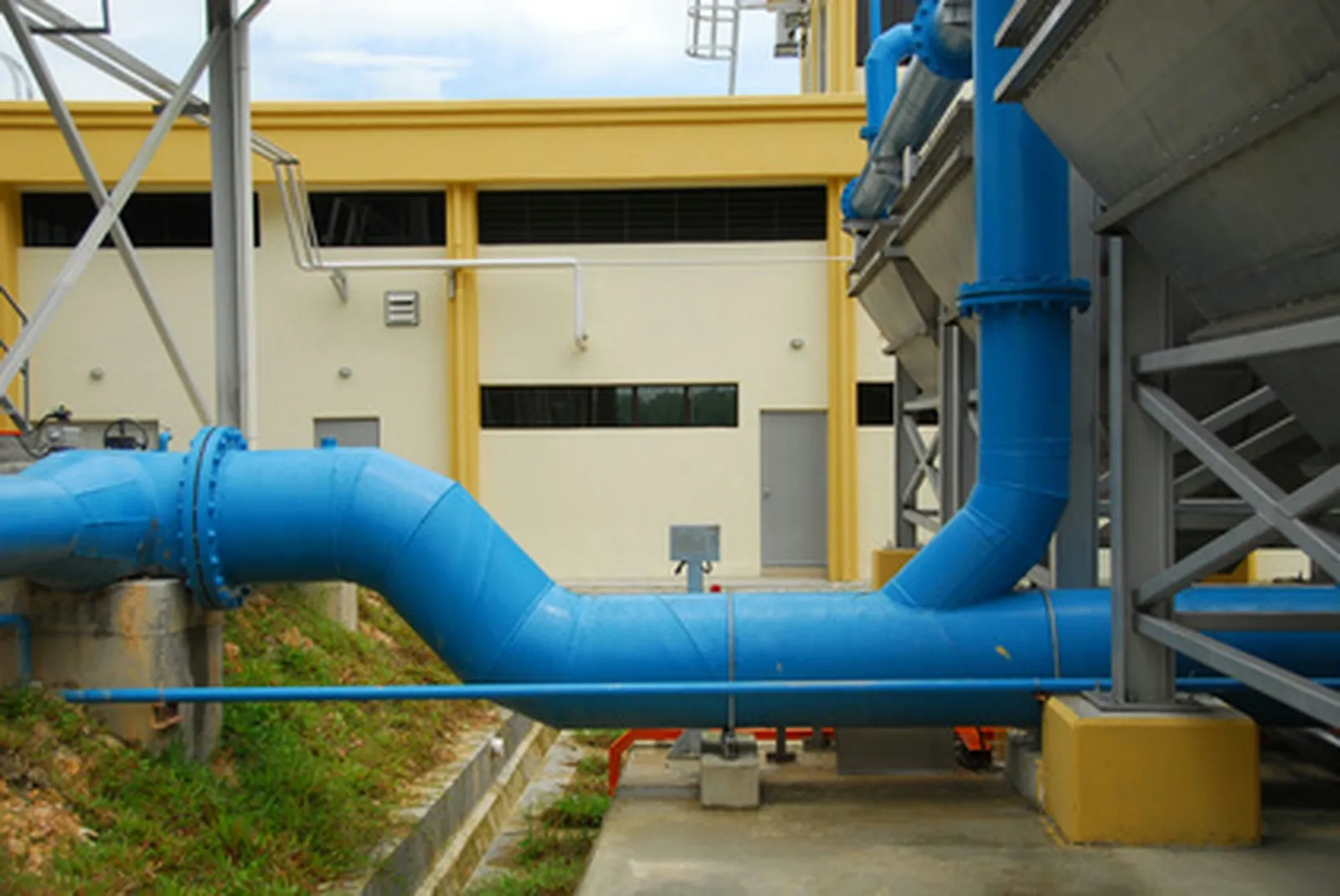
Upgrading your water pipes can help the environment.
Eco-consciousness now touches many aspects of daily life, from the apparel we choose to the meals we consume. However, the environmental effects of residential water piping systems are frequently overlooked. Several piping materials can make a difference for the planet in more than one respect.
Copper
Copper earns its eco-friendly reputation for water piping partly because installing copper tubing avoids solvent-based adhesives. Those adhesives contain volatile organic compounds, which play a role in pollution and global warming and are regarded as hazardous to human health. Copper is also recyclable and qualifies as a renewable resource because its chemical and physical properties remain intact through recycling. When disposed of correctly, copper can be an environmentally sound option, though the mining process can deplete natural resources and lead to pollution and emissions. Because copper holds high value, people are more inclined to recycle or sell used copper, which benefits the environment. An estimated 80 percent of copper ever mined is still in use today.
Cast Iron
For piping, cast iron is an environmentally safe alternative. It is produced entirely from recycled metals, including remelted pig iron combined with scrap metal and, in some cases, scrap steel. Cast iron is also recyclable, and its installation does not involve the volatile organic compounds found in adhesives used to join most plastic piping. Its solidity and density give it durability and efficiency.
Galvanized Steel
Galvanized steel is viewed as an eco-friendly option because it can be melted down and recycled. The galvanized coating, composed of 98 percent zinc, is fully recyclable and provides the material's durability—the coating alone can last as long as 40 years. Galvanized steel's longevity also makes it a low-impact material, since little to no maintenance is required over the piping's lifetime.
PEX
Cross-Linked Polyethylene Tubing (PEX), like copper and cast iron, does not need soldering or adhesives that release toxic fumes as PVC pipes do, which makes it environmentally friendly in that regard. It operates more quietly than PVC or copper and can handle temperatures up to 200 degrees Fahrenheit. However, PEX cannot be recycled, which is a significant drawback when considering eco-friendly piping for a home.
Pipe Insulation
If replacing an old pipe system right away is not affordable but you still wish to lessen your environmental impact, tube pipe insulation offers a simple and effective way to conserve energy. Pipe insulation can cut heat loss by as much as 80 percent and helps prevent sweating on cold water pipes. It benefits the environment by saving energy and also saves you money.