Dealing With Dust Contamination on Freshly Stained Wood
When you are applying stain to wood and aiming for a smooth, unblemished result, airborne particles settling on the wet finish can be a frustrating setback. Because this problem can easily arise, it helps to understand the proper steps for fixing it so that your project isn't ruined.
By Cameron Mitchell
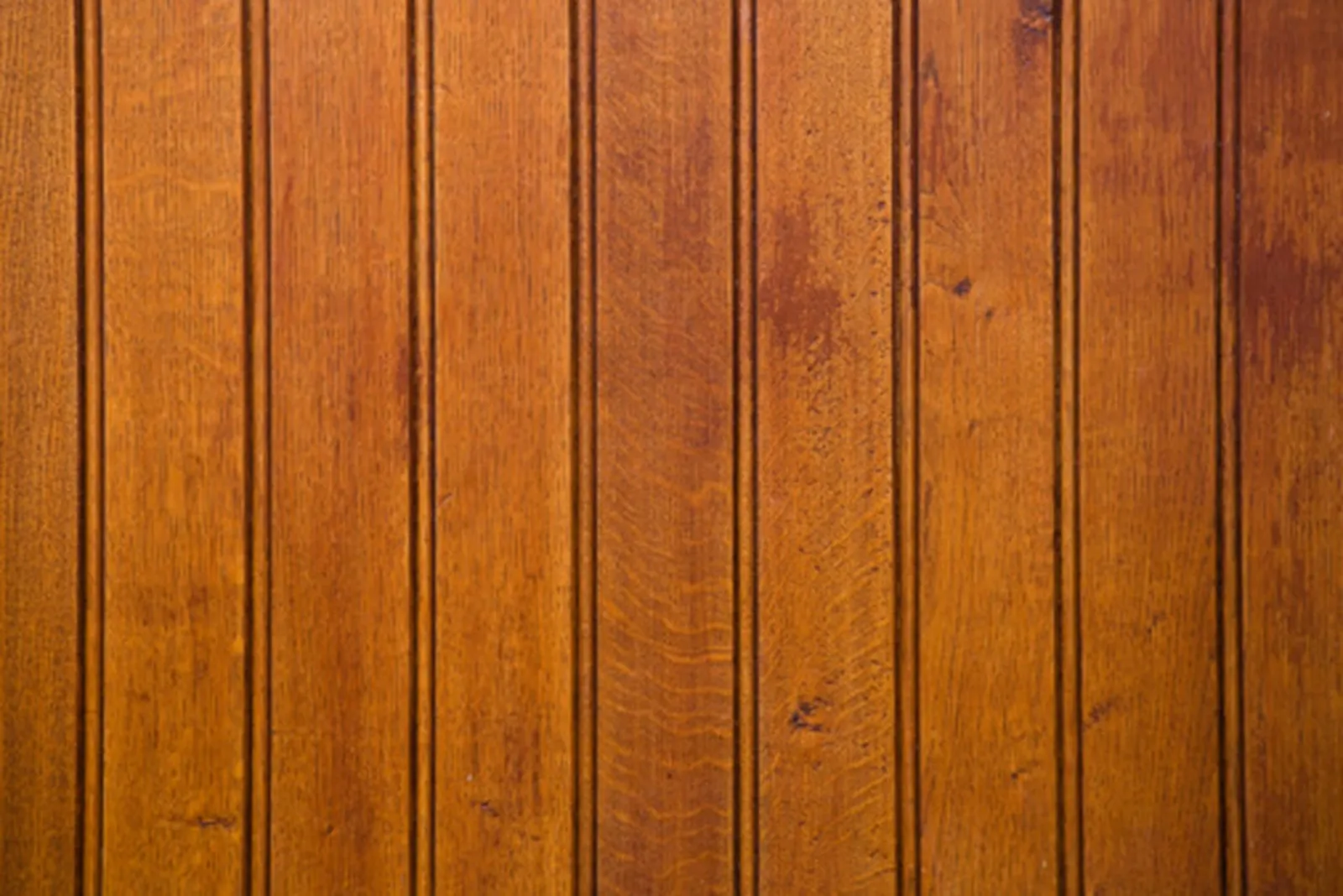
Dust on a stained piece of wood can be corrected.
Applying stain to wood with the goal of a perfectly smooth surface can be a painstaking process, and few things are more damaging to that effort than dust or other particles settling onto the wet coating. Since this kind of contamination is a real possibility, it's worth knowing how to handle it, as doing so can rescue your work from being ruined.
Allow the Stain to Dry
When the stained area is still a bit wet, the best approach is to wait for the stain to finish drying before you try to take off any dust or debris. If you attempt to remove it while the stain is still wet, you will probably damage the stained area and end up having to redo the whole project from the beginning.
Use a Cloth to Wipe the Surface
If you didn't apply a thick layer of stain to the wood, you might be able to remove some of the dust once the surface has fully dried by using a damp rag or a tack cloth. In cases where the stain was applied heavily, the cloth may lift some dust, but a significant amount could still be left behind. Work the cloth in the direction of the grain and avoid scrubbing the surface excessively. Just glide the cloth lightly across the surface.
Sand the Surface
Should a substantial amount of dust remain visible on the wood, reach for fine-grit sandpaper (roughly 360- to 600-grit) and lightly pass it over the surface, following the grain. Sandpaper in this range is fine enough that it should not take off noticeable amounts of stain.
Apply Stain Again
If sanding the wood was needed to get rid of the dust, you'll want to add a thin new layer of stain to fix any flaws that the sanding left behind. Make sure the surface is clean before beginning, and then apply the stain moving in the same direction as the initial coat.
Apply Varnish
For most projects, a coat of varnish is necessary to protect freshly stained surfaces. Reduce dust to an acceptable level before putting on the varnish, which will seal the surface and lock in any foreign particles.