How Inverter Welding Machines Operate and Why They Are Compact
Inverter welding units function as power inverters, transforming standard 120-volt alternating current into direct current for the welding torch. They can be connected to an ordinary household outlet, which makes them handier than a separate DC generator. The resulting DC electricity is then directed through a transformer to raise it to the voltage required for welding.
By Jamie Williams
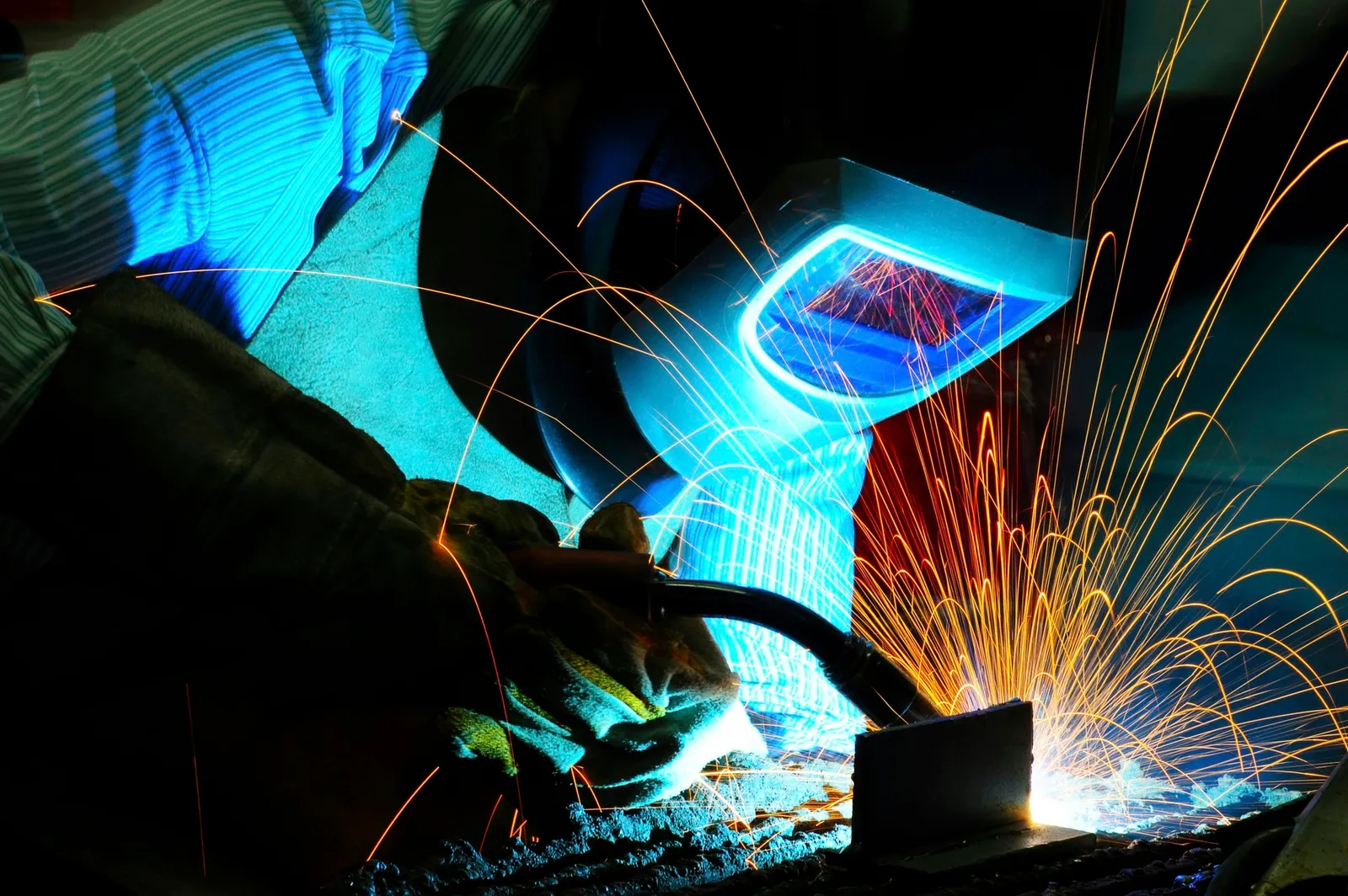
Inverter welders are ideal for work in tight spots.
At their core, inverter welders operate as power inverters. Their job is to take 120-volt AC electricity and change it into DC power that feeds the welding torch. Since these units can be connected to a standard 120-volt outlet, they are easier to use than a separate DC-current generator. After conversion, the DC electricity is sent through a transformer so that it can be increased to the welding level that is needed.
The Role of Frequency
The key to raising the frequency of the primary power that arrives at the welder's transformer lies in the switching operation of components known as IGBTs. This switching mimics the rise and fall of a magnetic field, much like what happens with electrical alternating current, except that it occurs at a considerably higher frequency.
Portability and Dimensions
Compared with traditional welding equipment, inverter welders take up far less space. That smaller footprint makes them easy to carry, so they can be moved in a carrier rather than being wheeled to a job on a dedicated dolly. Their compact build also suits do-it-yourself users and makes them a good fit for cramped spaces where portable generators—sometimes needed to power conventional welders—would not fit.
Electrical Use and Performance
Since inverter welders draw from household current, they consume less electricity, which translates into lower operating costs. Their construction also supports more efficient welding by delivering a steady arc, minimal spatter and a stable welding current.