Skip to content
Practical how-tos · new guides every week

Topic · 34 guides · Page 2

Home

  • Cleaning

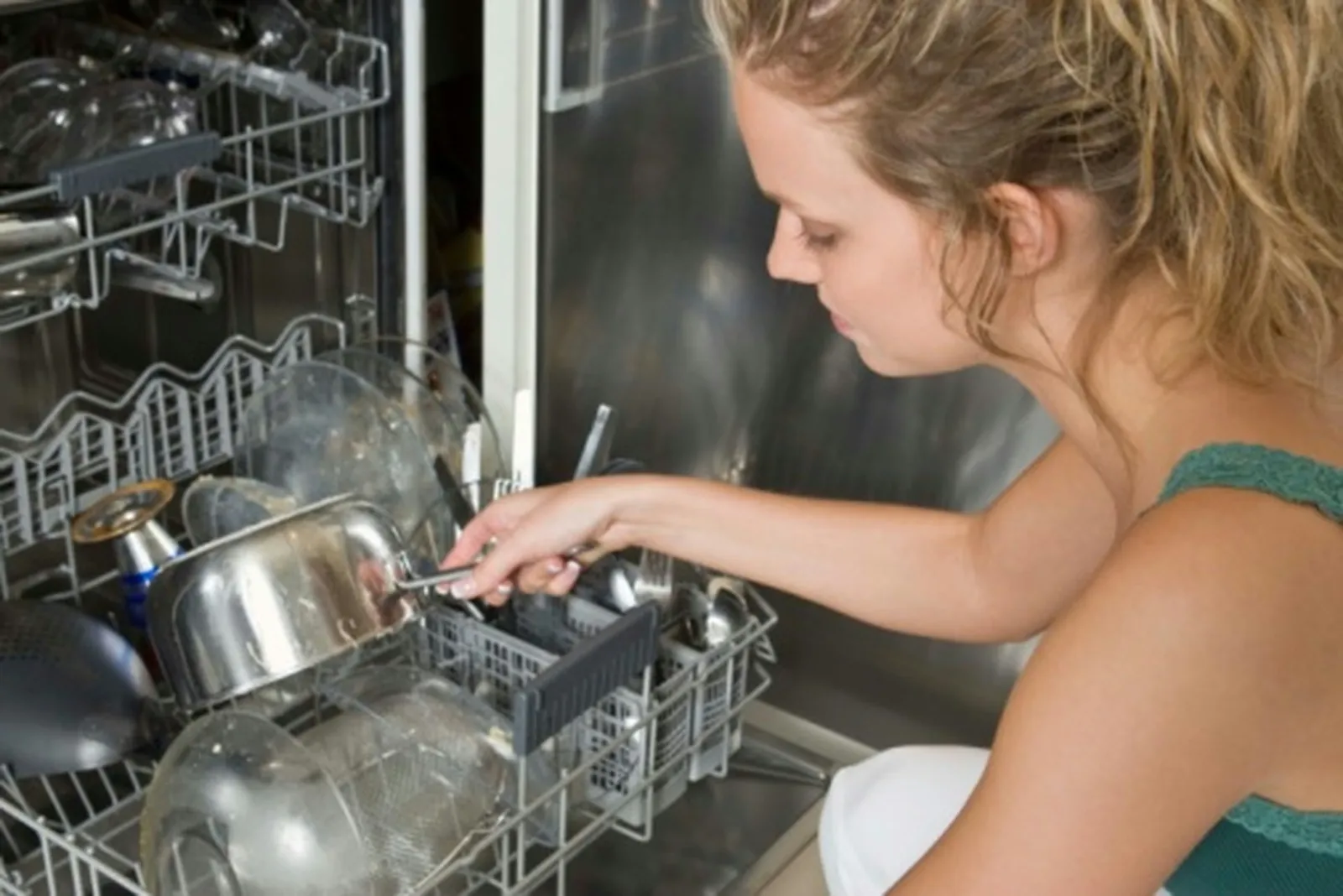
    Common Reasons Your Dishwasher Leaves Dishes Dirty

    A dishwasher is supposed to take the effort out of washing up, but a load can still come out grimy after a full cycle. Several things, from the wash setting and water heat to detergent choice and clogged components, can determine whether the results are spotless or disappointing.


  • Cleaning

    At-Home Strategies for Maintaining Suede Garments and Accessories

    Suede, which typically comes from pig, cow or doe hide, marks and scuffs without much effort, so professional dry cleaning is often the recommended route. For smaller blemishes, though, household items can sometimes do the job. Care labels should always be consulted, and any technique ought to be tried on an inconspicuous spot first to check for discoloration or new stains.

  • Cleaning

    Ways to Dispose of a Plastic Kiddie Pool Responsibly

    Plastic wading pools offer a simple way for children, and occasionally pets, to stay cool during summer when no larger pool is available. They can also cut down on water use, since a single daily fill takes less water than hours of sprinkler operation. Once children have outgrown the pool, recycling is an alternative to throwing it away.

  • Cleaning

    Removing Rust Stains From Your Kitchen Faucet: A Step-by-Step Guide

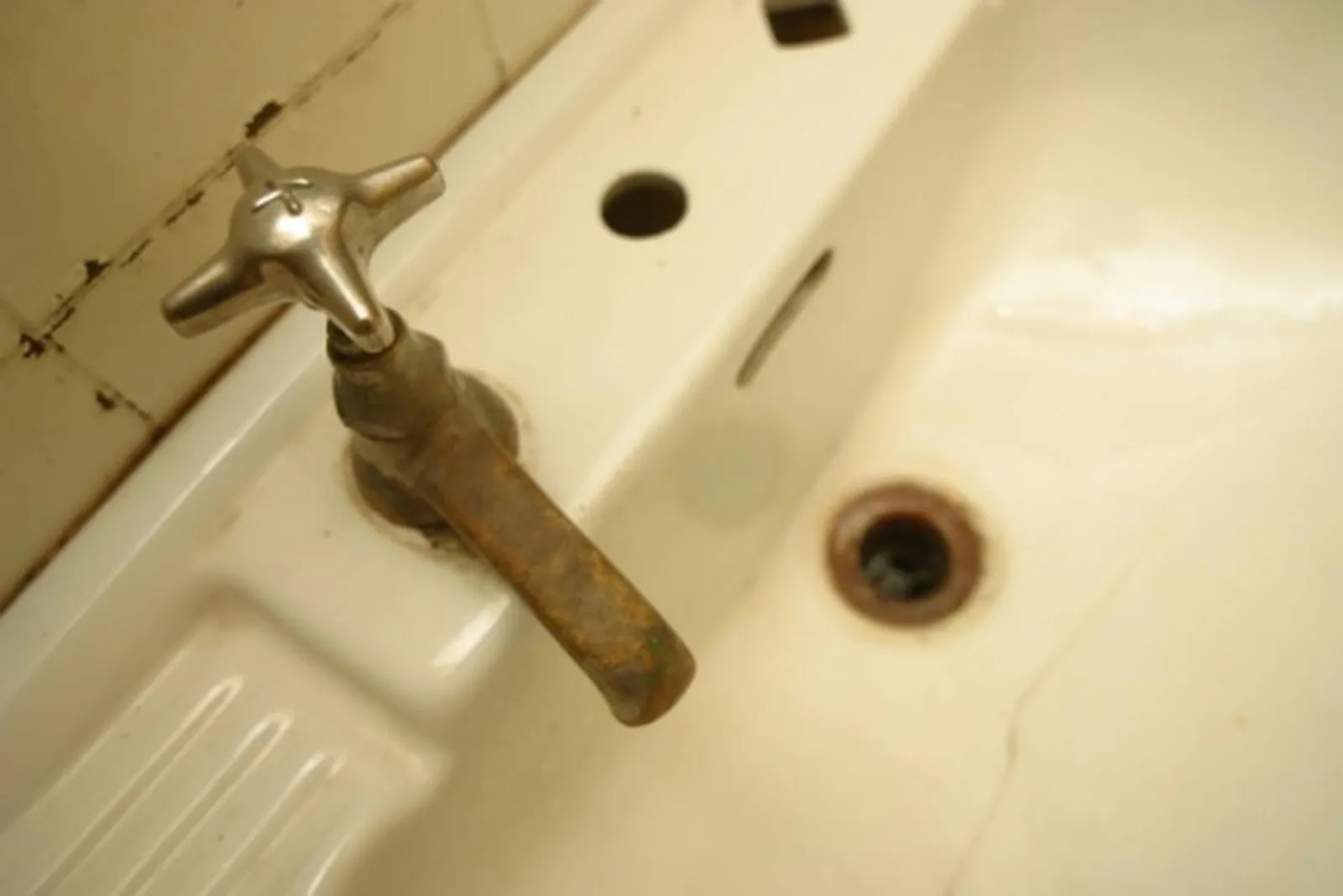
    Rust can build up on a kitchen faucet when water containing iron passes through it and leaves deposits over time. Another cause is leaving wet cast-iron cookware or utensils sitting on the base plate. Certain faucet designs include decorative iron components that deteriorate with moisture exposure and spread rust. Depending on the situation, you can address the problem with a mild acid, oil, or a store-bought rust remover.

  • Cleaning

    Removing Brown Blemishes From Stainless Steel Cooktops

    Brown discoloration on a stainless steel cooktop may appear when improper cleaners are used or when rust starts to form. Mild solutions can eliminate these marks, while harsh chemicals like bleach should be avoided because they may harm or discolor the steel.

  • Cleaning

    Removing Goo Gone Residue from Carpeting

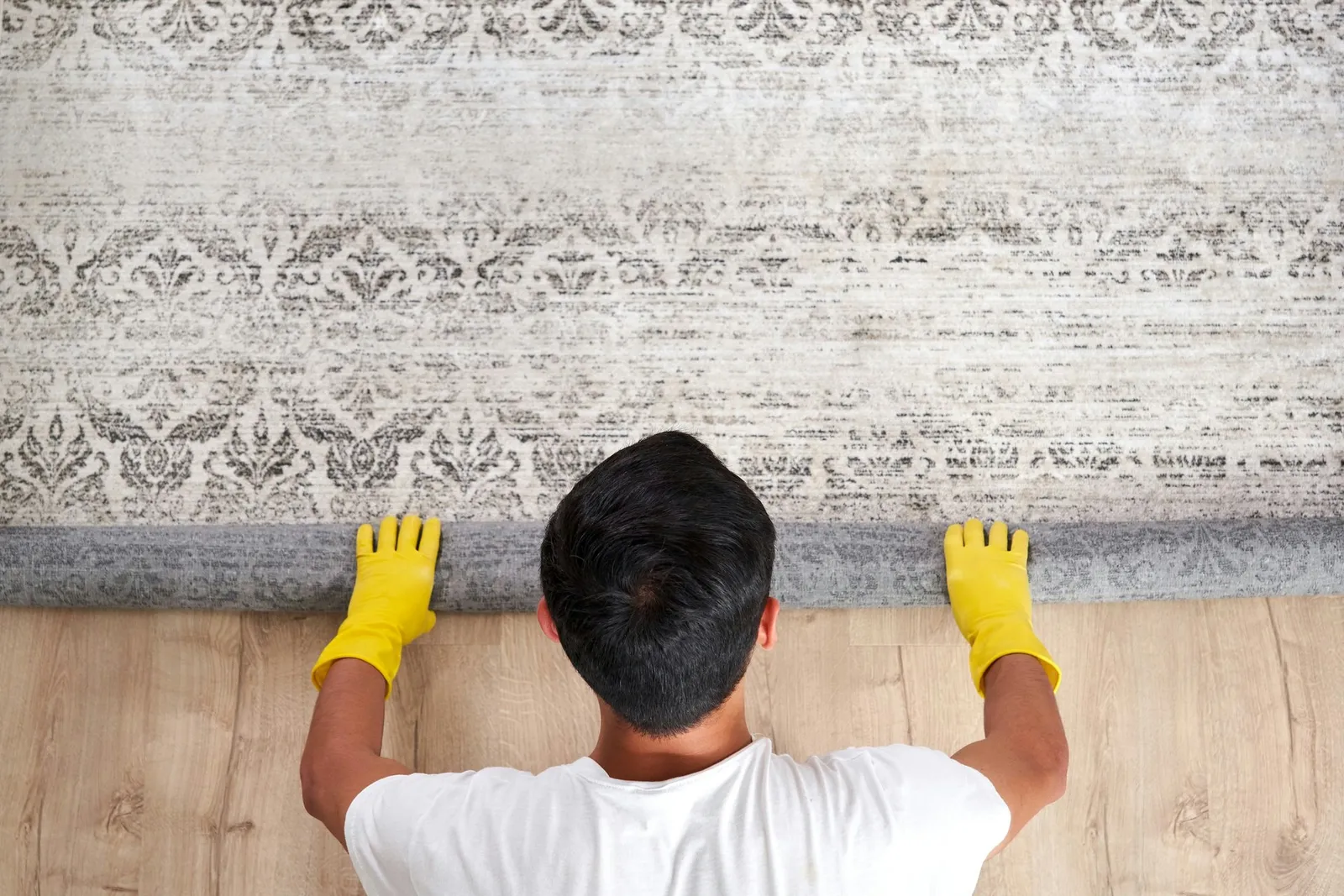
    Goo Gone is meant to tackle messes like gum or half-eaten candy, but when it leaves an oily film on your carpet—whether from normal use or an accidental spill—you’ll need some effort to get it out completely.

  • Cleaning

    Eliminating Sewage Odors That Have Settled Into Your Carpet

    When a septic issue on your property leads to overflow or strong smells spreading through the house, your carpeting can soak up that sewer odor. Getting rid of it is often a drawn-out process, and in severe situations where sewage from a backup or overflow has saturated both the carpet and the pad beneath it, replacement of those materials might be the only way to fully remove the smell.

  • Cleaning

    Removing Red Food Dye Stains from Wooden Floorboards

    When red food coloring ends up on a hardwood floor—whether from baking projects or Easter egg decorating—it can act as a dye and leave a stain if not addressed right away. Prompt attention with everyday household items can help lift the color without scratching the wood.

  • Cleaning

    Safely Washing Melamine Dishes in the Lower Dishwasher Rack

    Melamine dinnerware offers a reusable, break-resistant option for casual meals and outdoor gatherings. Because it withstands heat better than some plastics, it can go in the lower rack, provided items are arranged to stay put and avoid the heating element.

  • Cleaning

    Rough Concrete Surfaces: A Guide to Effective Cleaning

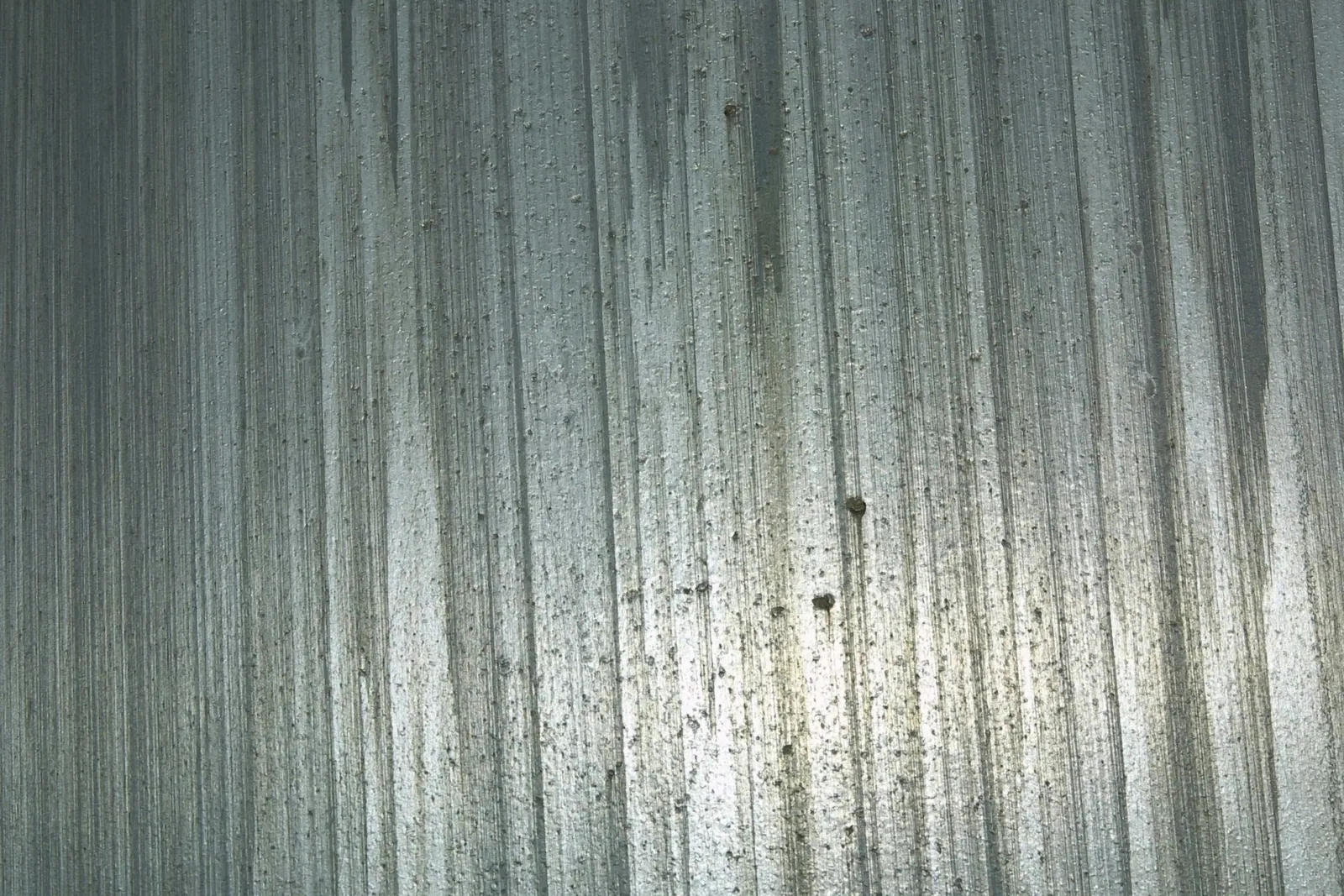
    While concrete is best known for outdoor applications such as driveways, patios, and garages, it can also serve as interior flooring when treated with stains, stamps, or sealers. Because textured concrete can be laid rough, it requires regular cleaning tailored to its surface.