Skip to content
Practical how-tos · new guides every week

Topic · 43 guides · Page 3

Garden

  • Garden

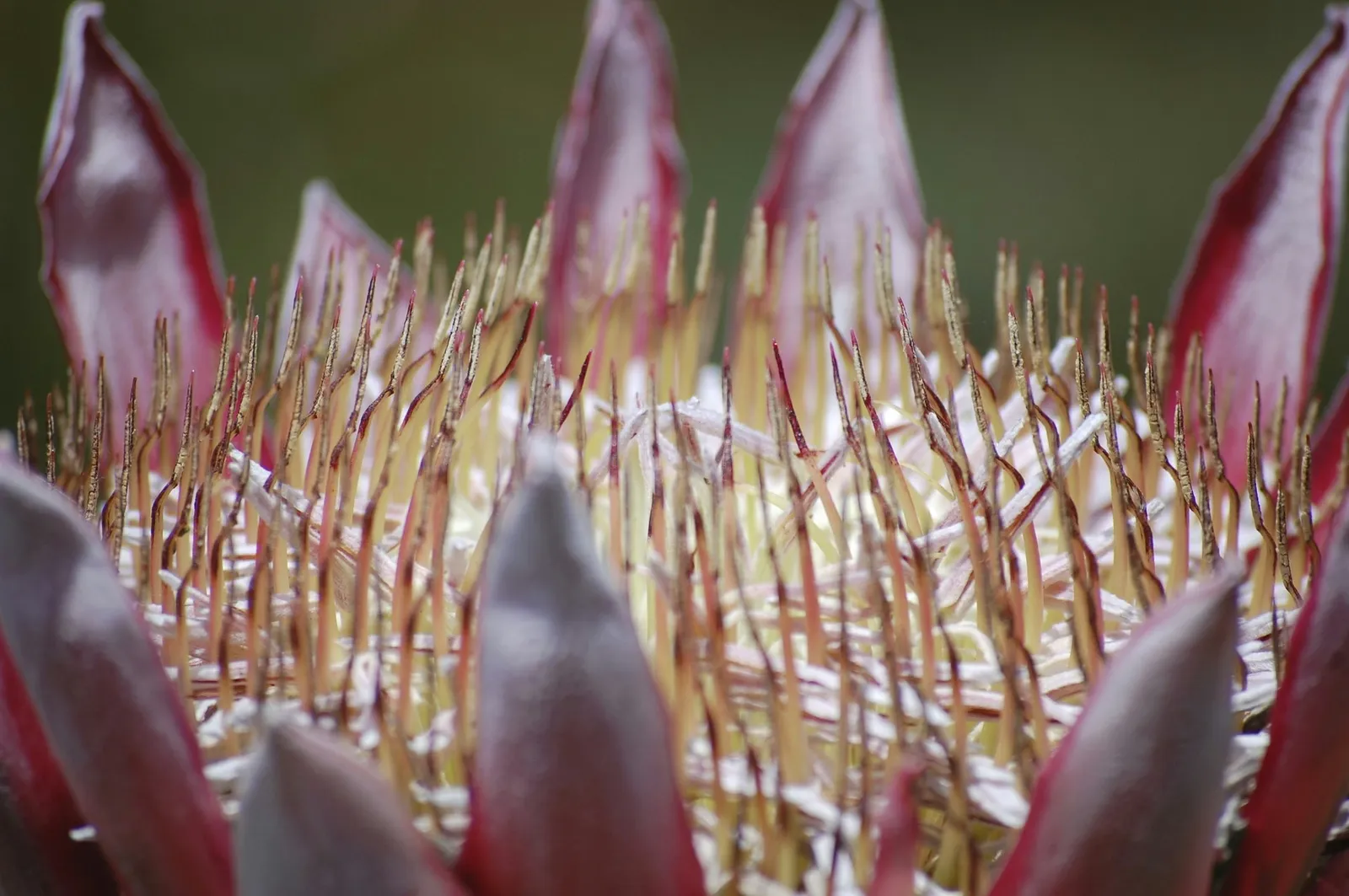
    Propagating Proteas: A Cutting-Based Guide

    Protea plants, known for their striking flowers surrounded by broad bracts, can be multiplied through cuttings—a rewarding project for dedicated gardeners. Native to South Africa and Australia, these plants flourish in the warmth of USDA hardiness zones 9 and 10.
  • Garden

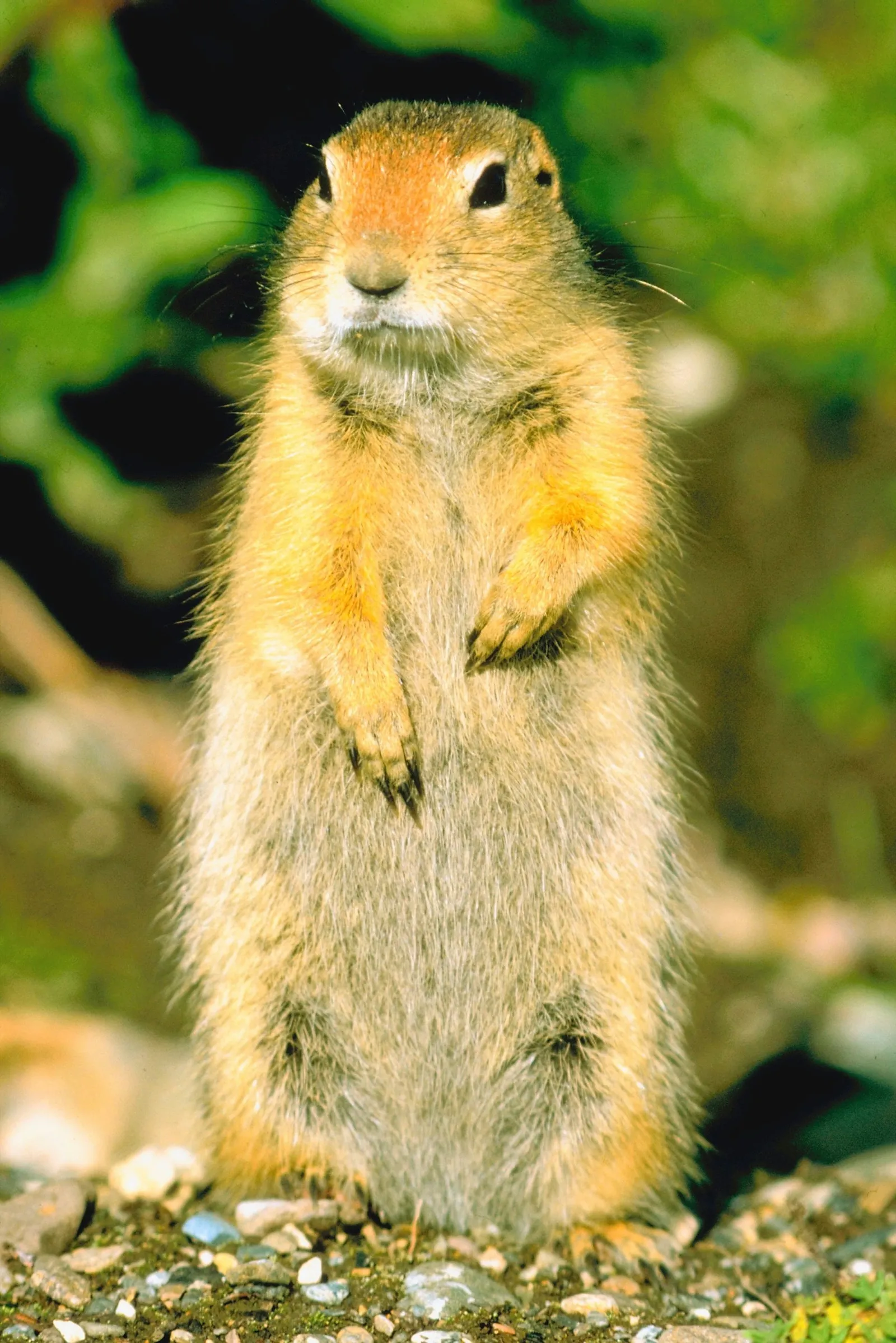
    Using Castor Oil to Keep Gophers Out of Your Garden

    Gophers dig through lawns and gardens looking for worms and insects, and they tend to favor areas with better soil. A simple homemade mixture of castor oil, dish soap, and water can serve as a deterrent. The solution is applied by spraying it across the affected lawn and garden.

  • Garden

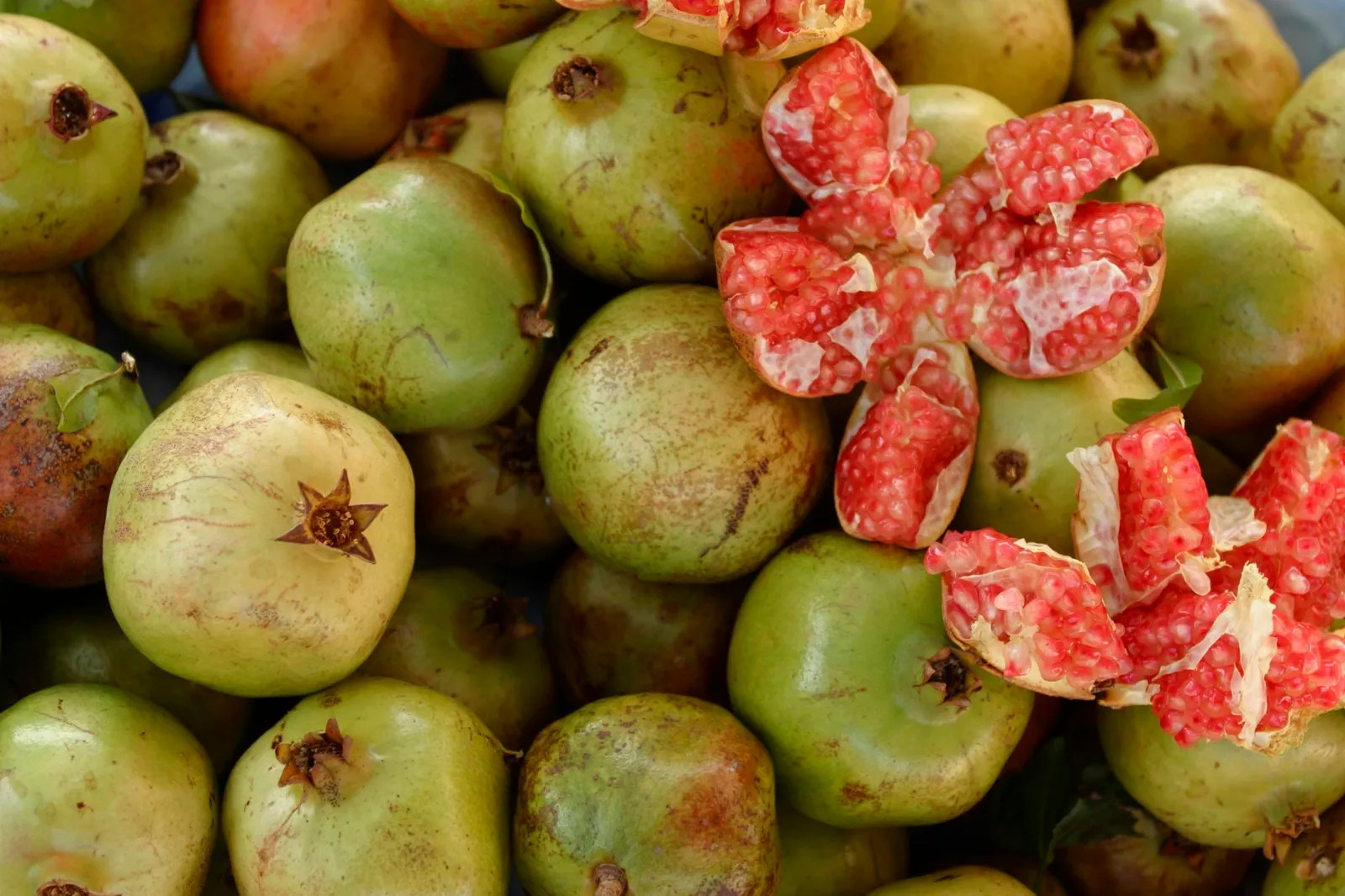
    What Determines the Yield of a Pomegranate Tree?

    A pomegranate (Punica granatum) grows well in USDA hardiness zones 8 to 11 and yields the most fruit in warm, dry climates. The cultivar chosen, the quantity of fertilizer applied, and the local weather each influence how many pomegranates the tree will bear.

  • Garden

    Common Umbrella Tree Ailments and Their Management

    Umbrella trees, also known as schefflera, are tropical plants valued for their distinctive fan-like leaves. They can grow to 8 feet or taller, making them impressive focal points. These trees thrive outdoors where freezing is rare and are popular as indoor plants. However, they can sometimes fall victim to various diseases.

  • Garden

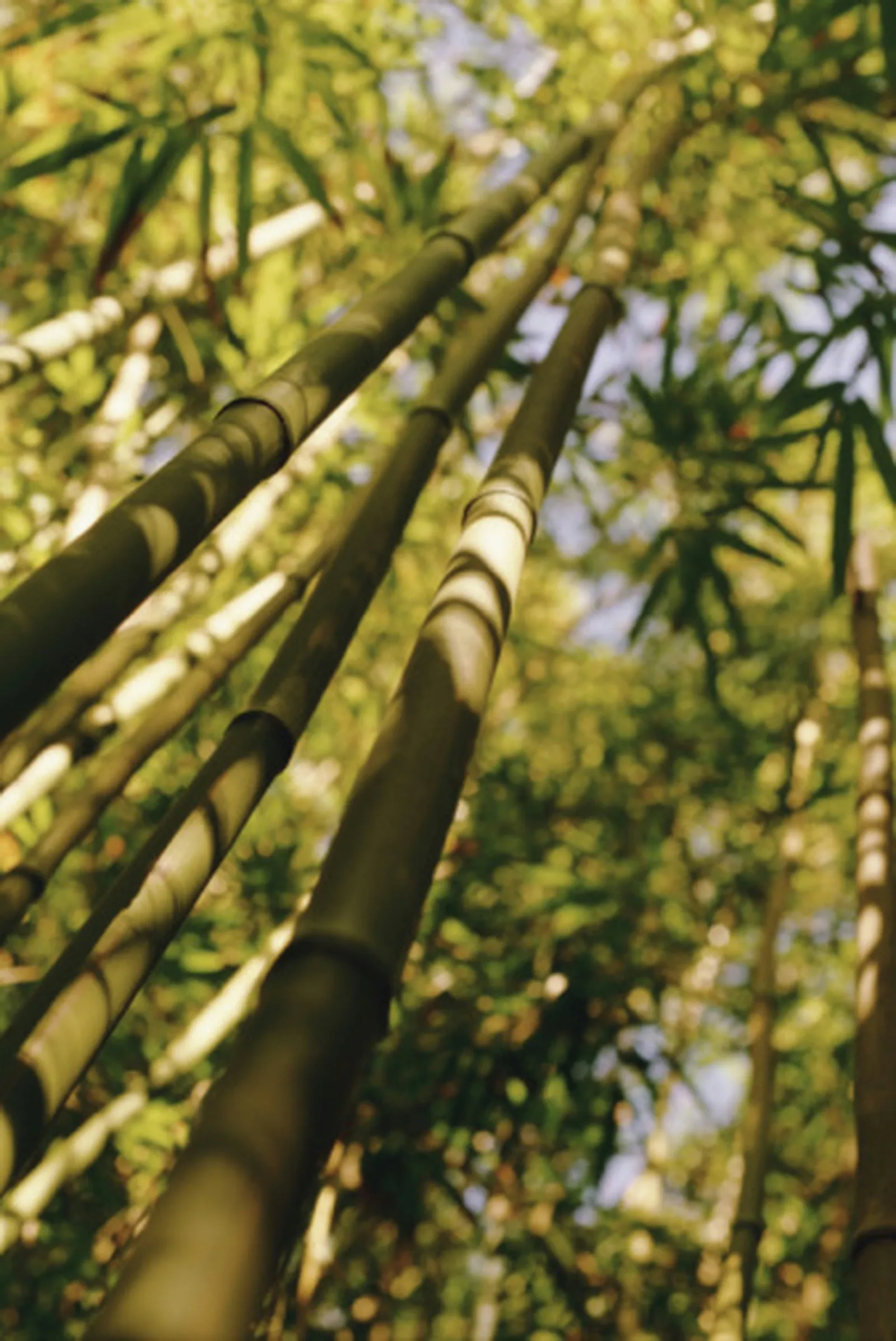
    Cultivating Bamboo in Wisconsin: A Practical Guide

    Bamboo thrives in tropical and temperate zones, and in Wisconsin the ideal planting window is spring through summer to maximize survival odds. Under favorable conditions, it can add as much as 3 inches of height daily. Success depends heavily on picking the right site, soil, and species, yet bamboo remains an affordable way to bring a striking decorative touch to a garden.

  • Garden

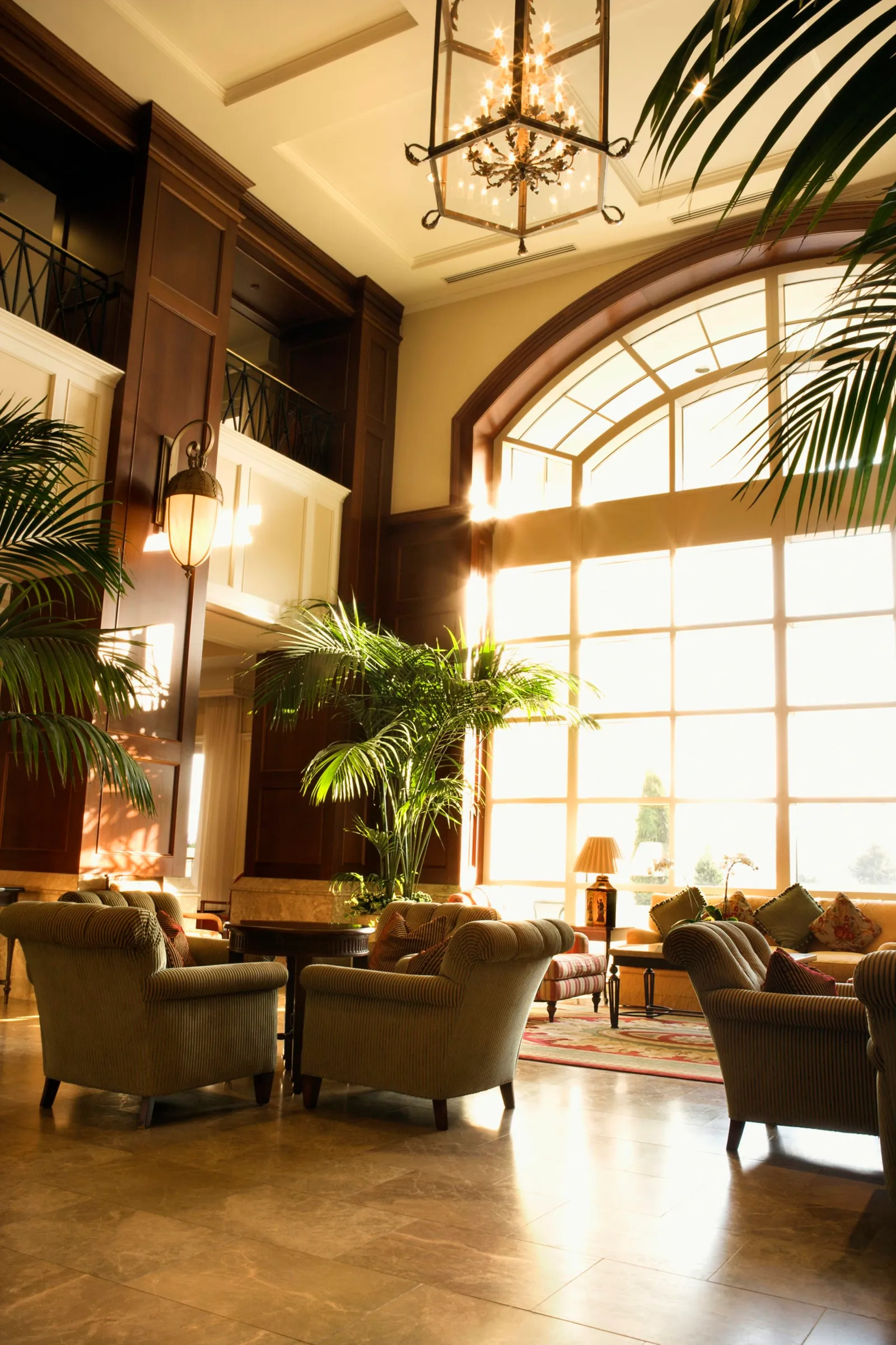
    Why Kentia Palm Foliage Turns Yellow

    The kentia palm, also known as the sentry or hotel palm, originates from low-lying areas on Lord Howe Island near eastern Australia. While it can reach 50 to 60 feet in its native habitat, it typically stays 20 to 30 feet tall when cultivated in tropical gardens elsewhere. Its tolerance for dim light and dry air has made it a popular indoor plant since the late 1800s, but improper care can cause its leaves to yellow.