Skip to content
Practical how-tos · new guides every week

Home Repair · 128 guides · Page 2

Carpentry & Remodeling

  • Carpentry & Remodeling

    Comparing Varieties of Galvanized Sheet Metal

    Sheet metal that has received a zinc coating to inhibit corrosion and shield it from environmental exposure is known as galvanized sheet metal. Iron or steel is commonly galvanized, and steel frequently undergoes this treatment in sheet form. There are multiple categories of galvanized sheet metal, and although each is steel-based, they vary in physical characteristics and in the galvanizing method employed.

  • Carpentry & Remodeling

    Deriving Basic Wind Speed from a 3-Second Gust Measurement

    Sustained wind speeds and 3-second gusts are the two ways wind gets reported. In a forecast line like "Winds out of the southwest at 25 mph with gusts of up to 40 mph," the 25 mph figure represents the sustained speed, while 40 mph is the measured 3-second gust. Building codes, particularly along southern coastlines where structures must endure hurricanes, rely on both 3-second gust and sustained wind speeds as input variables.

  • Carpentry & Remodeling

    A Step-by-Step Guide to Concealing Rust with Paint

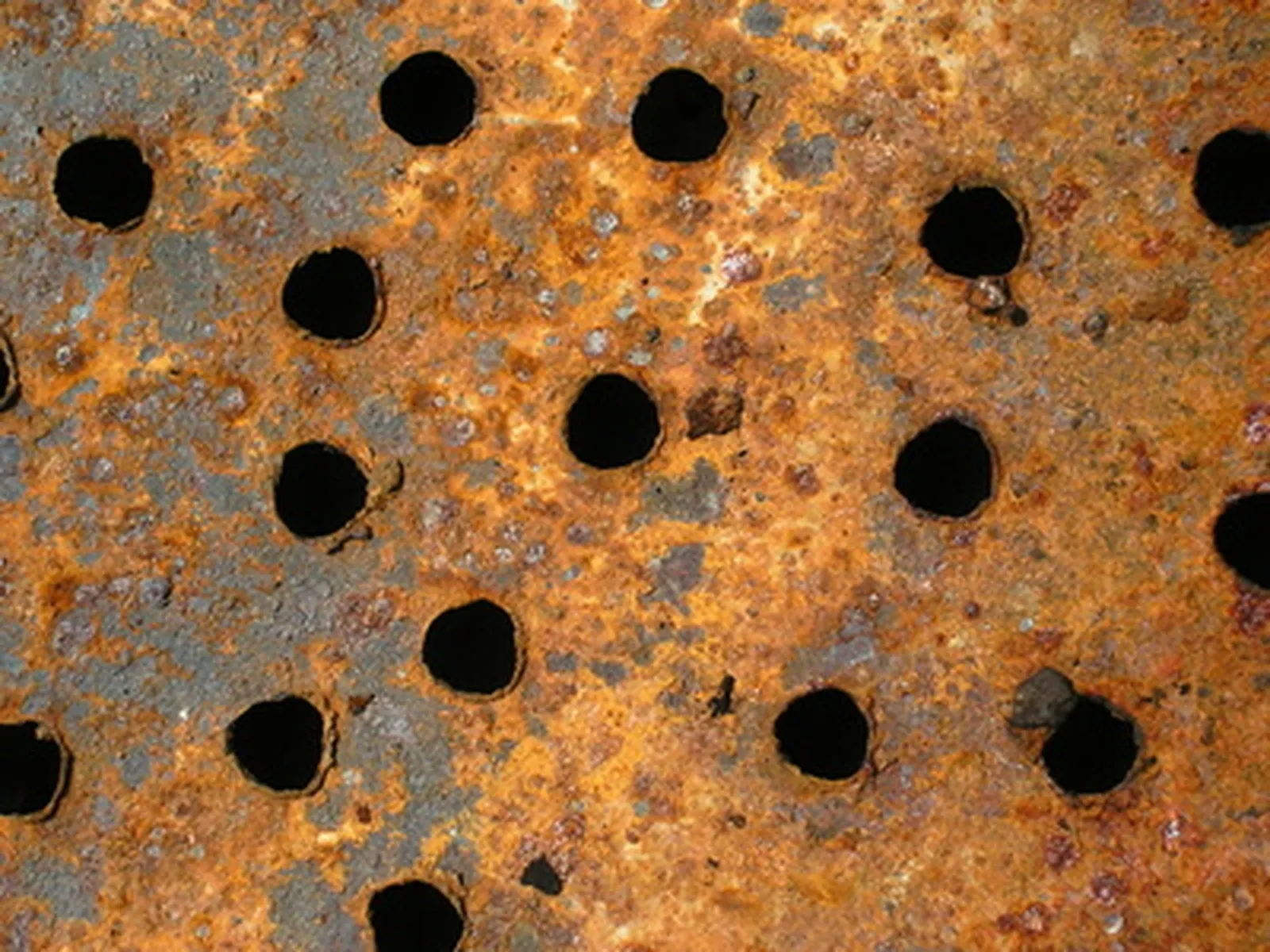
    Metal rusts naturally when exposed to oxygen and moisture. A rusted surface can be restored with the right paint, but proper preparation is essential. Before painting, you must seal the rust to prevent it from returning, and condition the metal so the paint adheres well and does not chip or peel.

  • Carpentry & Remodeling

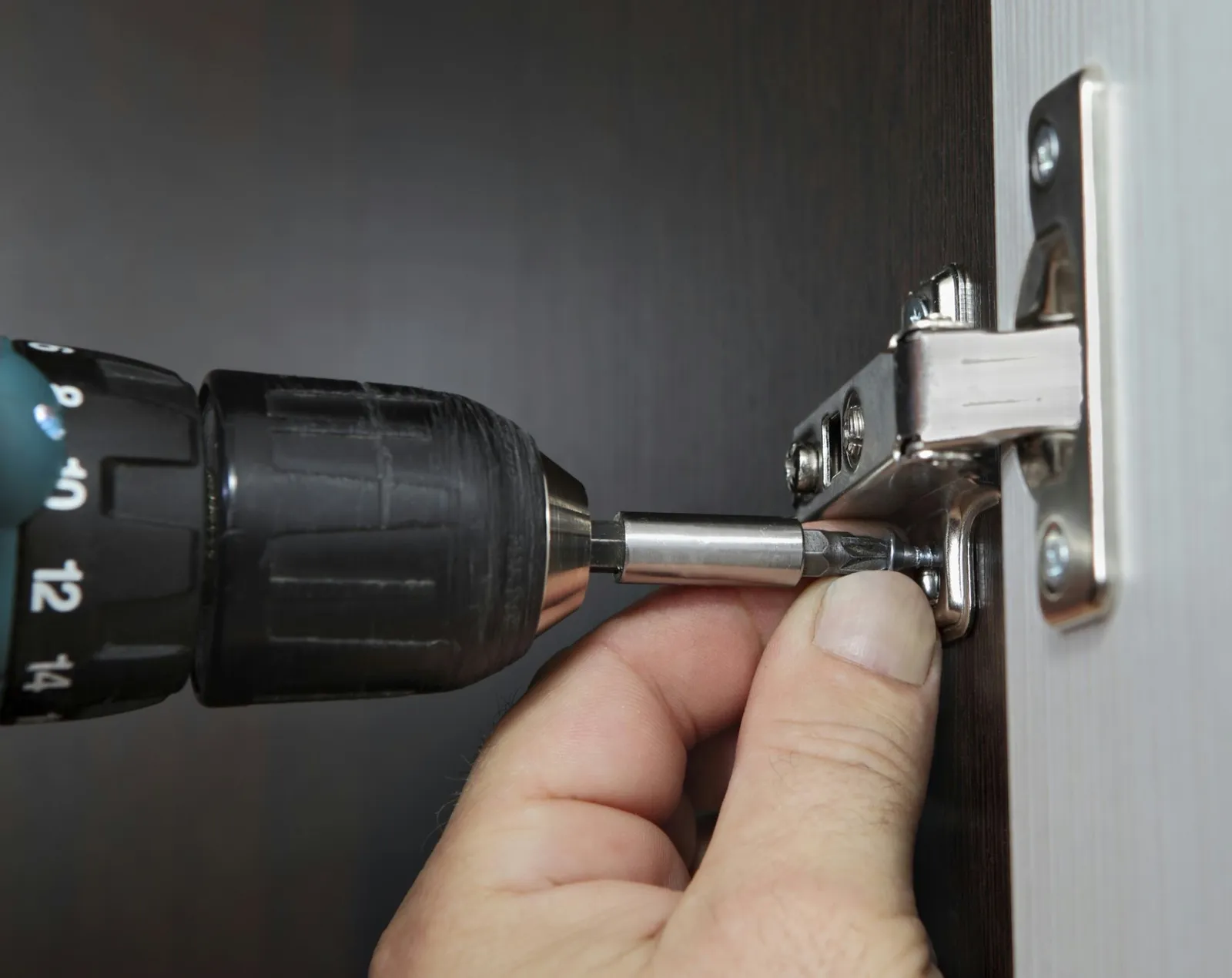
    A Guide to Selecting the Right Hardware for Your Cabinets

    Understanding hinge mounting styles and closing mechanisms is key to picking hardware that suits your cabinet construction, door coverage, and desired aesthetic. The choices range from concealed European-style models to exposed traditional types, each with distinct installation and performance traits.

  • Carpentry & Remodeling

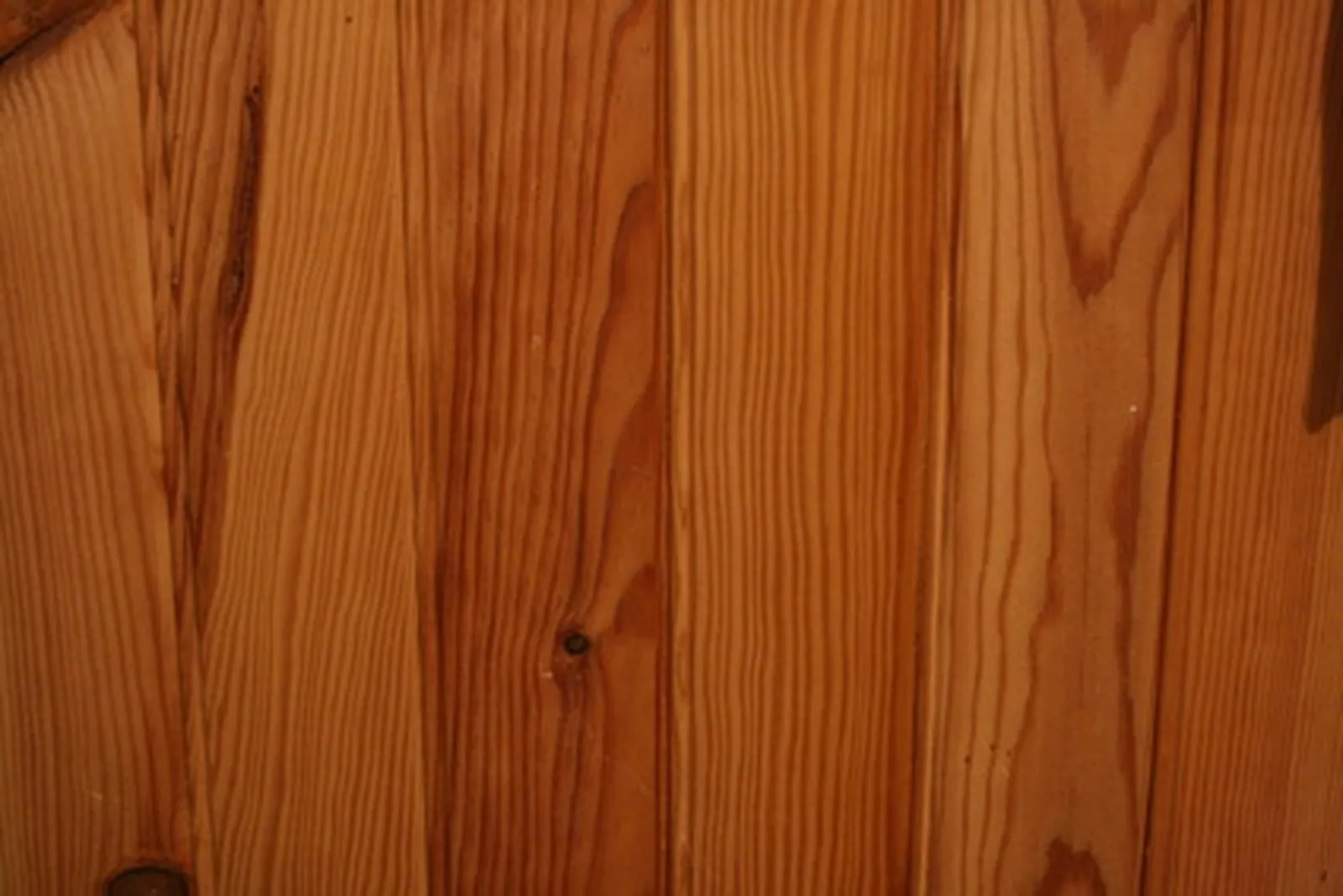
    Clearing Adhesive Left Behind by Wall Paneling on Plaster Surfaces

    In the past, paneling was typically attached with nails, but glue later became a common alternative because it was simpler to apply. As paneling trends shift, some homeowners take the panels down to expose the plaster underneath. Adhesive often stays on the wall once the panels are gone, and ordinary supplies can be used to deal with that residue.

  • Carpentry & Remodeling

    Safe Hand Tool Options for Slicing Thin Wood Strips

    Using a table saw to rip narrow wooden strips for crafts is hazardous, so hand tools offer a safer and cleaner alternative. Most thin wood can be sliced with a utility knife, diagonal pliers, or even scissors. Special veneer tape can be trimmed with ordinary paper-cutting tools.

  • Carpentry & Remodeling

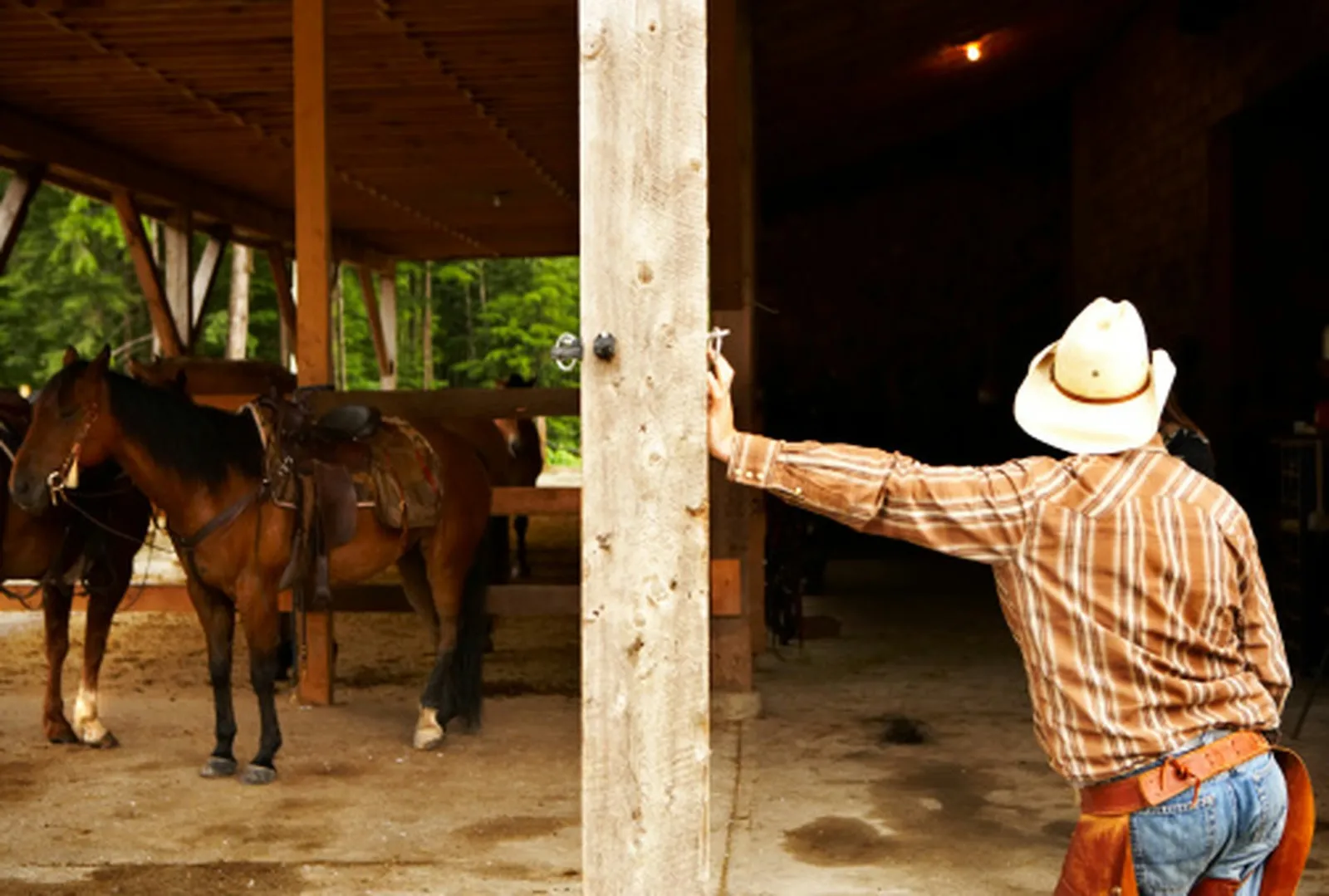
    Understanding Pole Barn Dimensions: What You Need to Know

    Pole barns feature posts along the sides, front, and back, and they may be partially or fully enclosed. This design flexibility lets you choose nearly any size. You can construct it on your own, bring in a builder, or purchase a prefabricated kit. No single standard dimension exists, but manufacturers of kits and builders usually provide common sizes suited to different purposes.

  • Carpentry & Remodeling

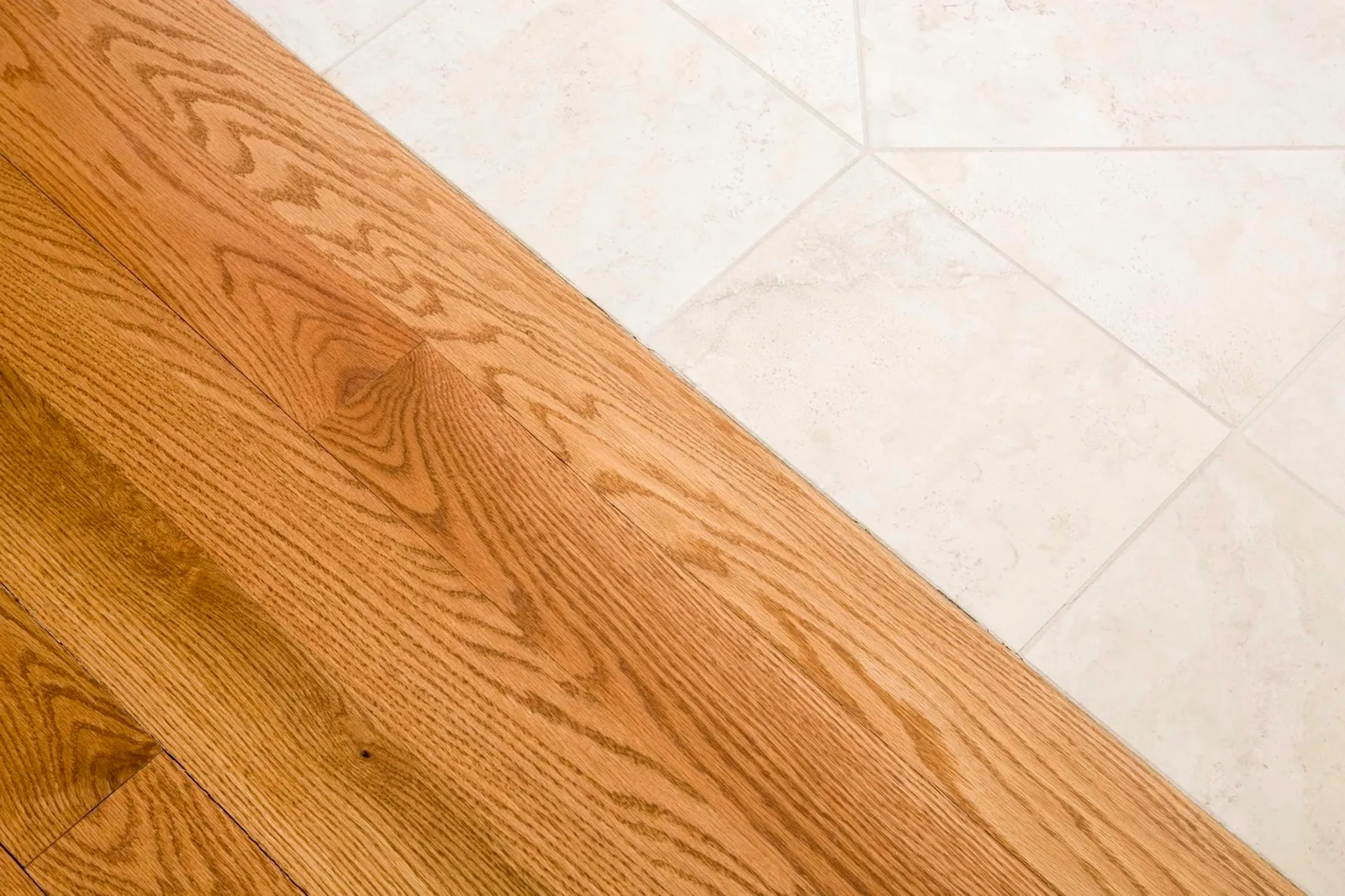
    Adhesive vs. Mechanical Fastening for T-Molding Installation

    T-molding serves as a connector between different flooring surfaces, a transition piece between materials, or a finishing edge at the perimeter of a floor. Available options are typically synthetic—plastic or composite—though wood versions also exist. Installation methods generally fall into two categories: gluing the strip down or driving screws through a channel and clicking the top section into position. Certain approaches call for angled toe screws that sink below the molding surface.