Skip to content
Practical how-tos · new guides every week

Topic · 180 guides · Page 2

Home Repair

  • Home Maintenance

    Mounting a Low-Voltage Wall Box: A Step-by-Step Guide

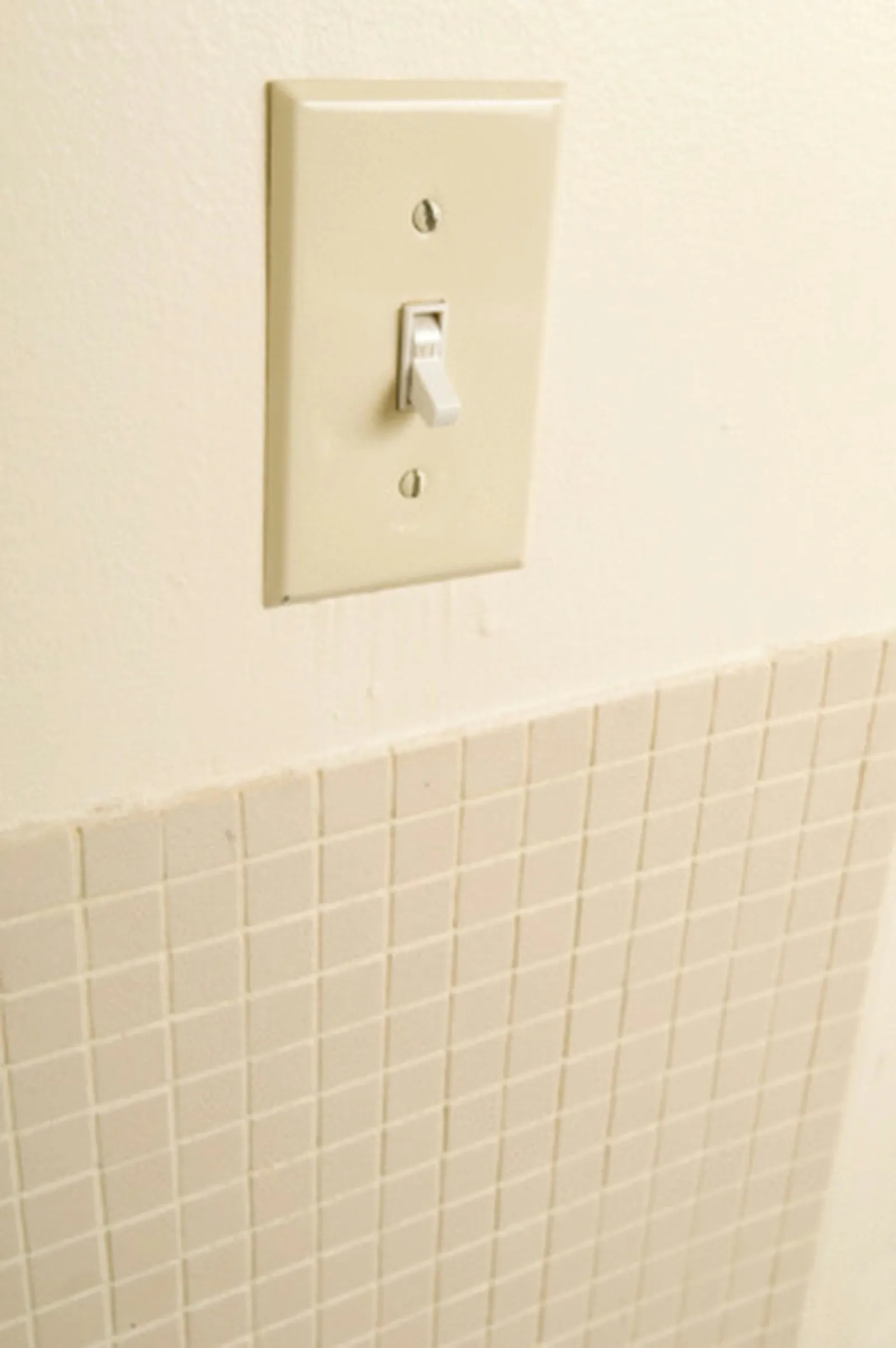
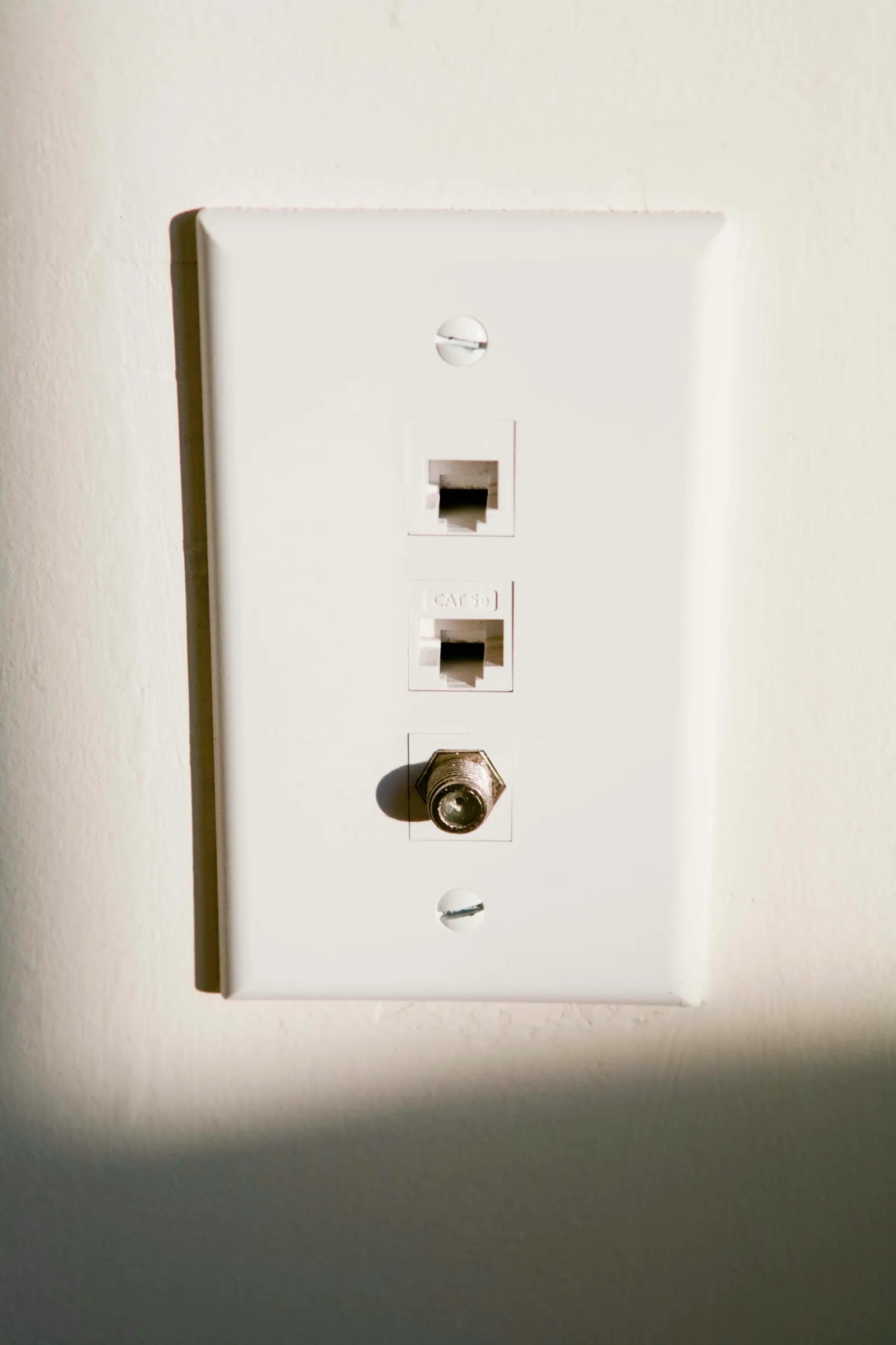
    For connections under 30 volts, a wall box mainly serves to hold the cover plate; it's a bracket that attaches to drywall rather than a full enclosure. In contrast, electrical codes mandate a junction box for every 120- or 240-volt connection to reduce fire risk if a connection fails.


  • Home Maintenance

    What Are the Steps to Perform a Memory Reset on a Jandy AquaLink?

    The Jandy AquaLink, which manages various pool functions such as temperature, lights, waterfalls, and cleaning, allows you to store schedules by day or time. You can also save momentary preferences. A full reset erases all saved data, and because the deletion is permanent, it's important to be sure before proceeding.

  • Carpentry & Remodeling

    Comparing Lustre and Glossy Photo Surfaces

    Photo papers and coatings come in several varieties. A glossy print has a smooth, reflective surface, while matte paper appears flat and has a textured feel. Lustre, a finish positioned between the two, borrows traits from each. The right choice hinges on the photo's intended purpose, what the image depicts, and what the user prefers.

  • Carpentry & Remodeling

    How Much Does It Cost to Start Finishing a Basement?

    If you have an unfinished basement, you can save money by doing some of the work yourself and tackling a partial remodel as your budget permits, rather than hiring a contractor for everything at once. The price you pay depends on the specific project and whether you hire a professional. The figures below are from 2011 and come from DIYorNot.com.

  • Carpentry & Remodeling

    Effective Methods for Protecting MDF from Moisture

    Medium density fiberboard (MDF) is a glued composite material formed by pressing wood chips with hydraulic rams. While it offers strength as a building material, it must be kept away from any moisture exposure. Proper sealing is necessary for uses like cabinets and ducts. This article covers four sealing options: paint, lacquer, varathane, and sanding sealer.

  • Carpentry & Remodeling

    Comparing Aluminum and Steel for Residential Railing Systems

    Homeowners in need of railings face several choices, such as picking a style that suits the house, selecting a color that either matches or stands out from the exterior paint, and determining whether to use aluminum or 'iron' (which is actually steel) rails. Both aluminum and steel are widely used for railing construction, and each brings its own set of benefits and drawbacks.

  • Carpentry & Remodeling

    When Recycling Building Materials Backfires

    Green building practices don't always align. The push to reuse salvaged materials can clash with energy efficiency goals, since older components sometimes underperform compared to modern synthetic alternatives. Contamination and cost hurdles further complicate the picture, raising questions about when reuse truly makes sense.

  • Carpentry & Remodeling

    Comparing Varieties of Galvanized Sheet Metal

    Sheet metal that has received a zinc coating to inhibit corrosion and shield it from environmental exposure is known as galvanized sheet metal. Iron or steel is commonly galvanized, and steel frequently undergoes this treatment in sheet form. There are multiple categories of galvanized sheet metal, and although each is steel-based, they vary in physical characteristics and in the galvanizing method employed.

  • Home Maintenance

    Eliminating Unwanted Smells From Wooden Flooring

    A well-kept hardwood floor contributes natural beauty to a home, but when unpleasant scents emerge, the situation can escalate. In extreme situations, replacing the whole floor may become necessary, which is costly. Pet accidents, moisture problems, or excessive room humidity are common culprits behind lingering odors. Fortunately, musty or mildew-like smells can frequently be eliminated using ordinary household cleaning supplies.

  • Carpentry & Remodeling

    Deriving Basic Wind Speed from a 3-Second Gust Measurement

    Sustained wind speeds and 3-second gusts are the two ways wind gets reported. In a forecast line like "Winds out of the southwest at 25 mph with gusts of up to 40 mph," the 25 mph figure represents the sustained speed, while 40 mph is the measured 3-second gust. Building codes, particularly along southern coastlines where structures must endure hurricanes, rely on both 3-second gust and sustained wind speeds as input variables.