How Do Hex Nut Threads Differ from Pipe Threads?
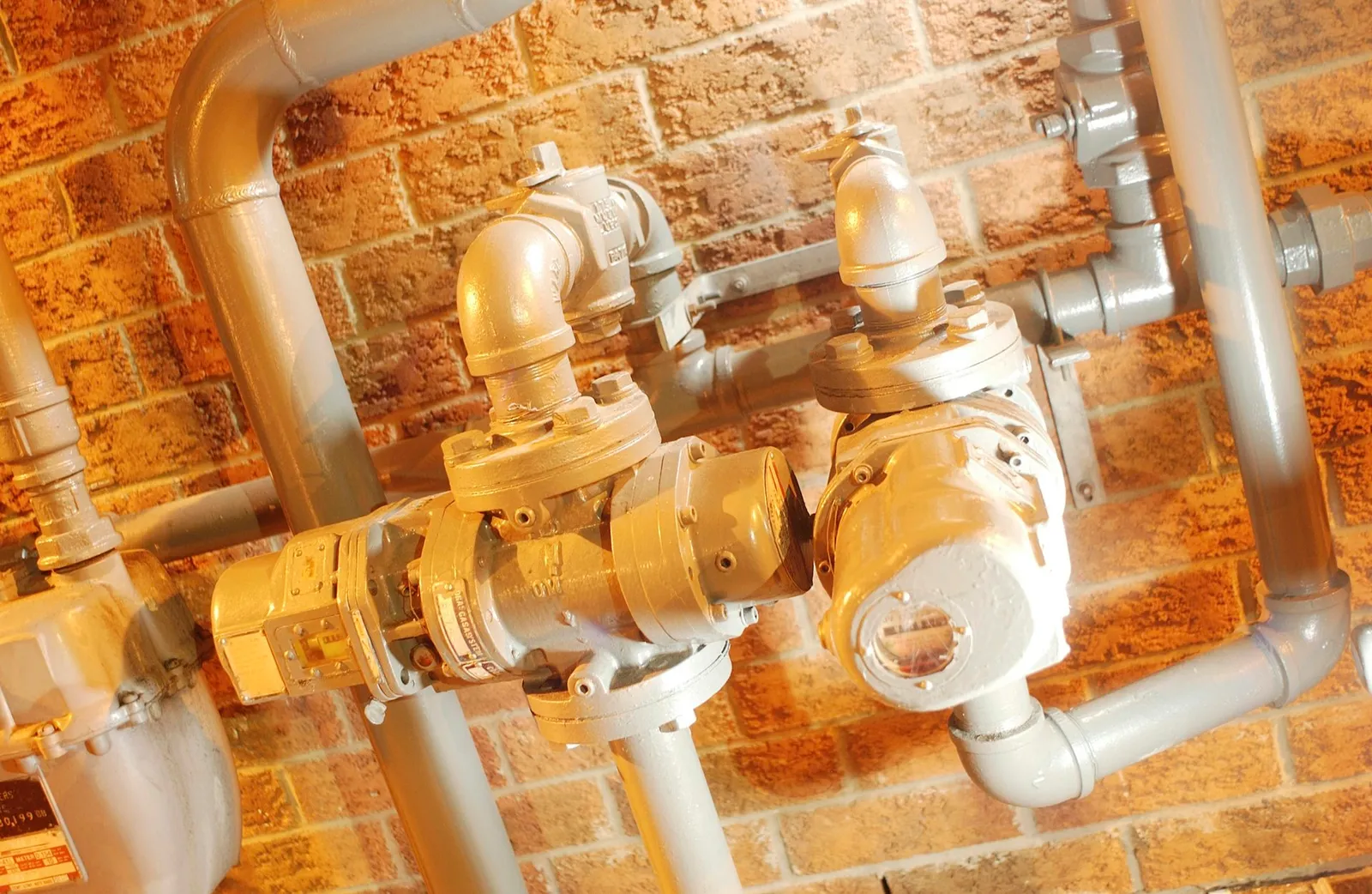
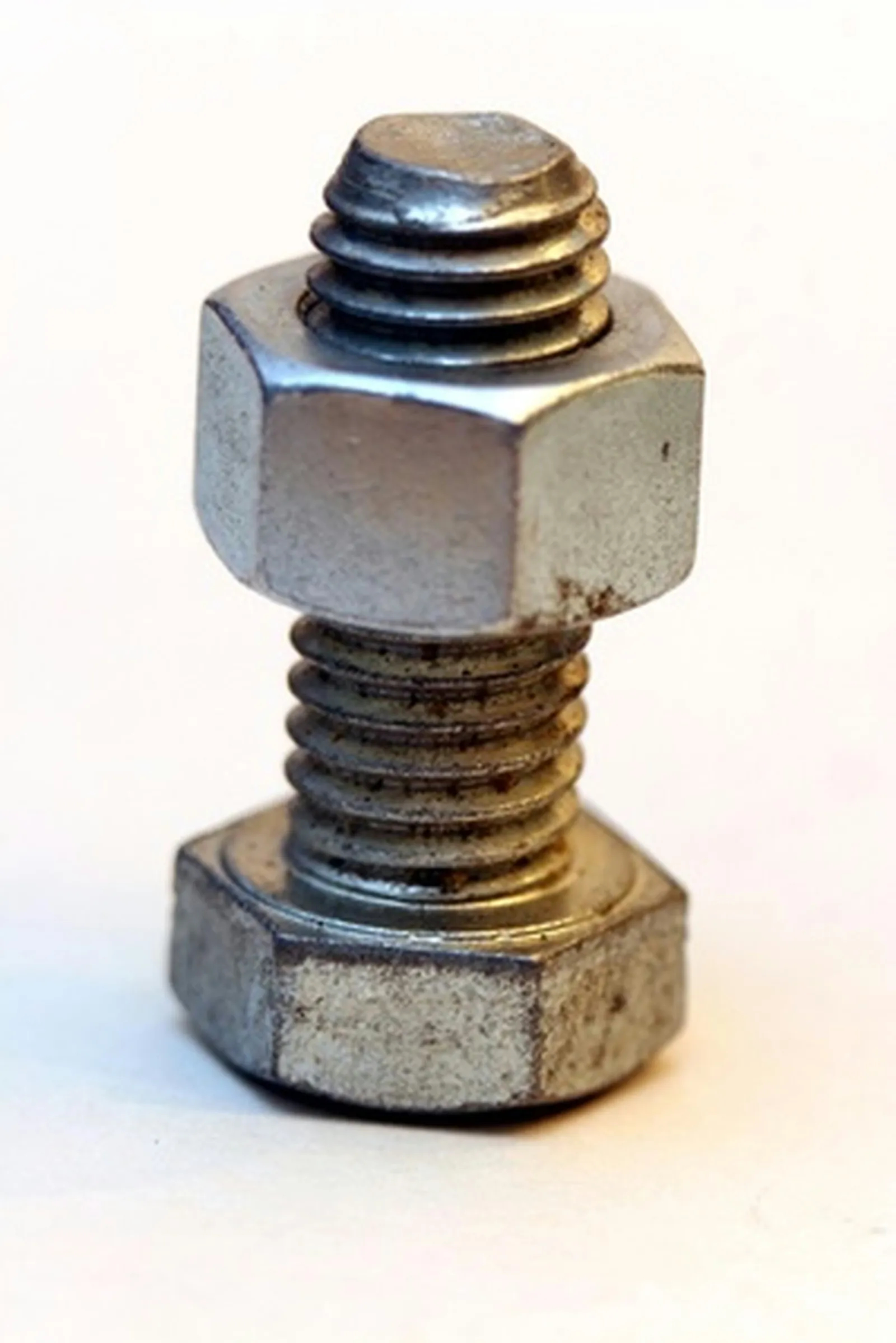
Threads on fasteners and pipes serve different purposes. A hexagonal bolt and nut combination can clamp two metal parts, whereas a threaded pipe may connect a pipe to an elbow fitting.
Hands-on how-tos for your home, your hobbies and the road.
Threads on fasteners and pipes serve different purposes. A hexagonal bolt and nut combination can clamp two metal parts, whereas a threaded pipe may connect a pipe to an elbow fitting.
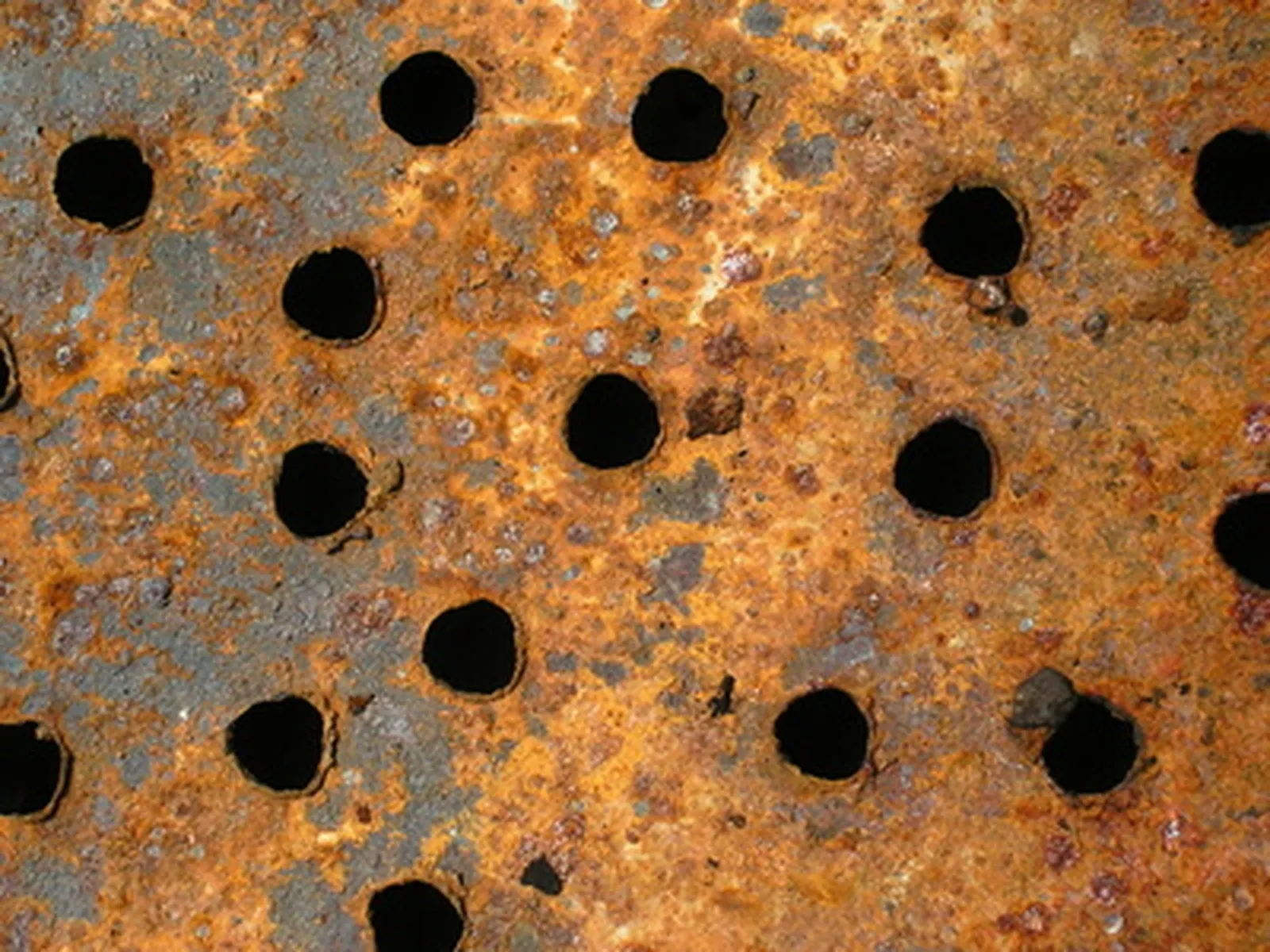
Metal rusts naturally when exposed to oxygen and moisture. A rusted surface can be restored with the right paint, but proper preparation is essential. Before painting, you must seal the rust to prevent it from returning, and condition the metal so the paint adheres well and does not chip or peel.
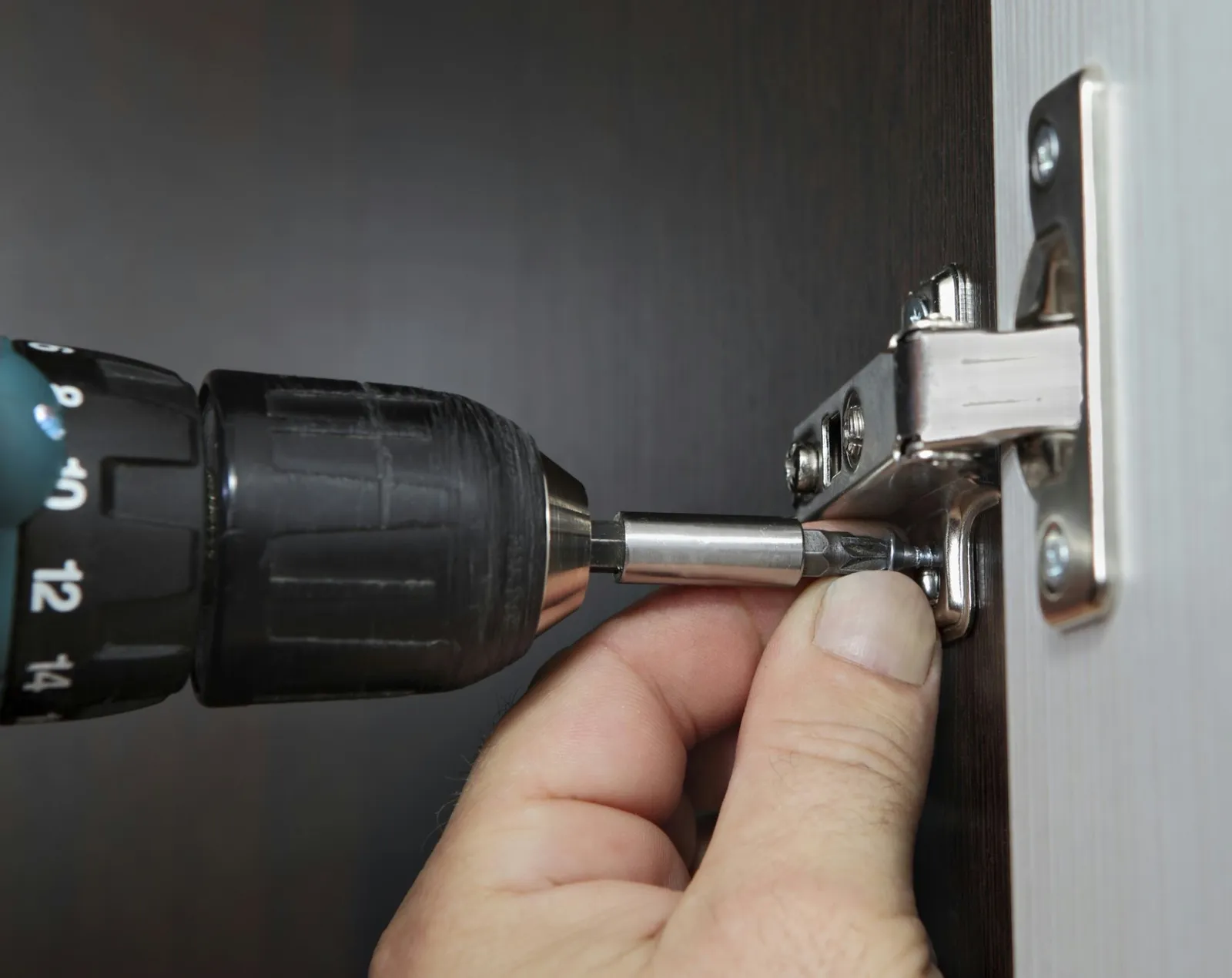
Understanding hinge mounting styles and closing mechanisms is key to picking hardware that suits your cabinet construction, door coverage, and desired aesthetic. The choices range from concealed European-style models to exposed traditional types, each with distinct installation and performance traits.
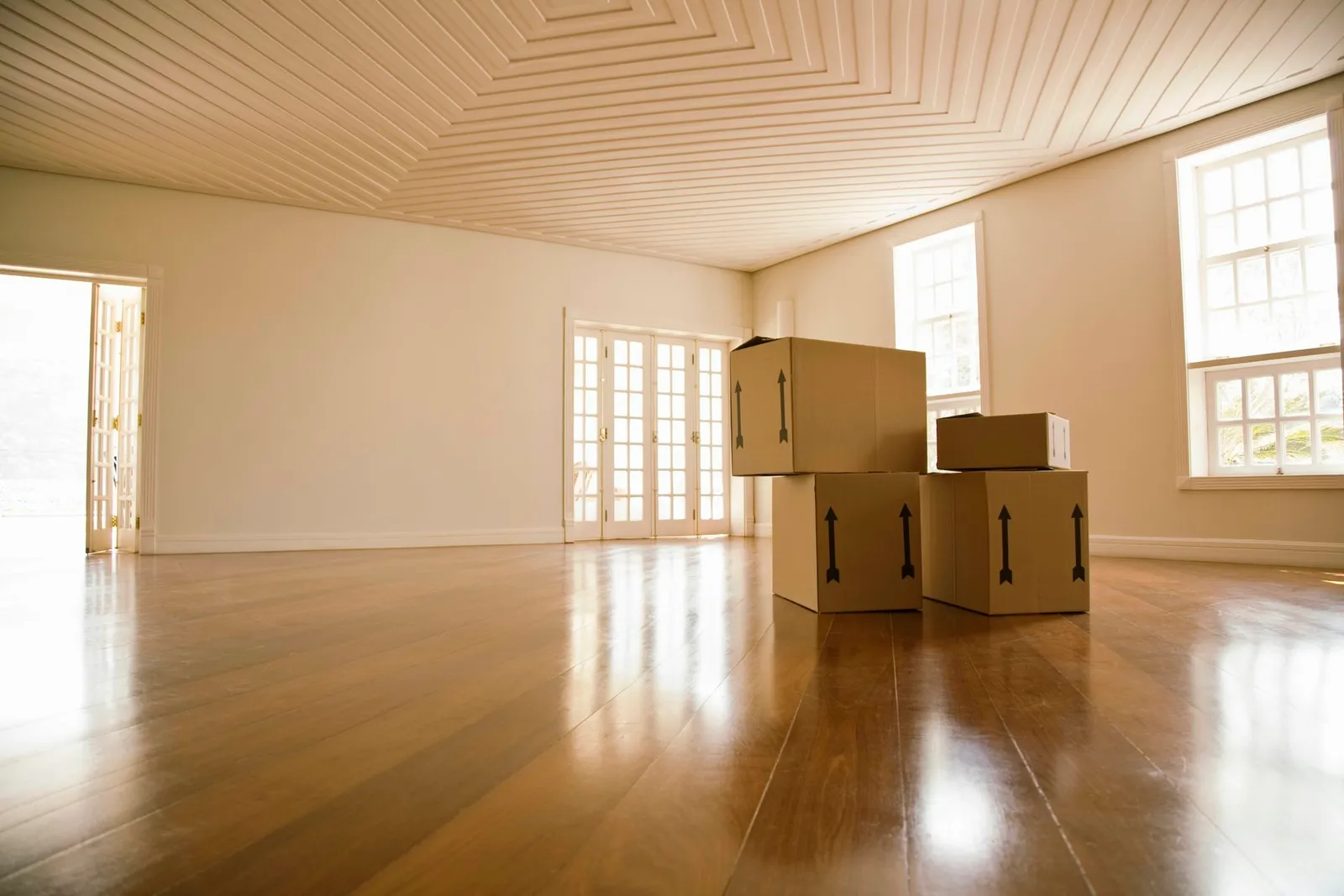
Hardwood floors are a long-lasting option that suits dry rooms like living rooms, dining rooms, and bedrooms. While laminate flooring often needs padding, solid hardwood does not require it; instead, a paper layer between the subfloor and wood boards can help prevent squeaks.
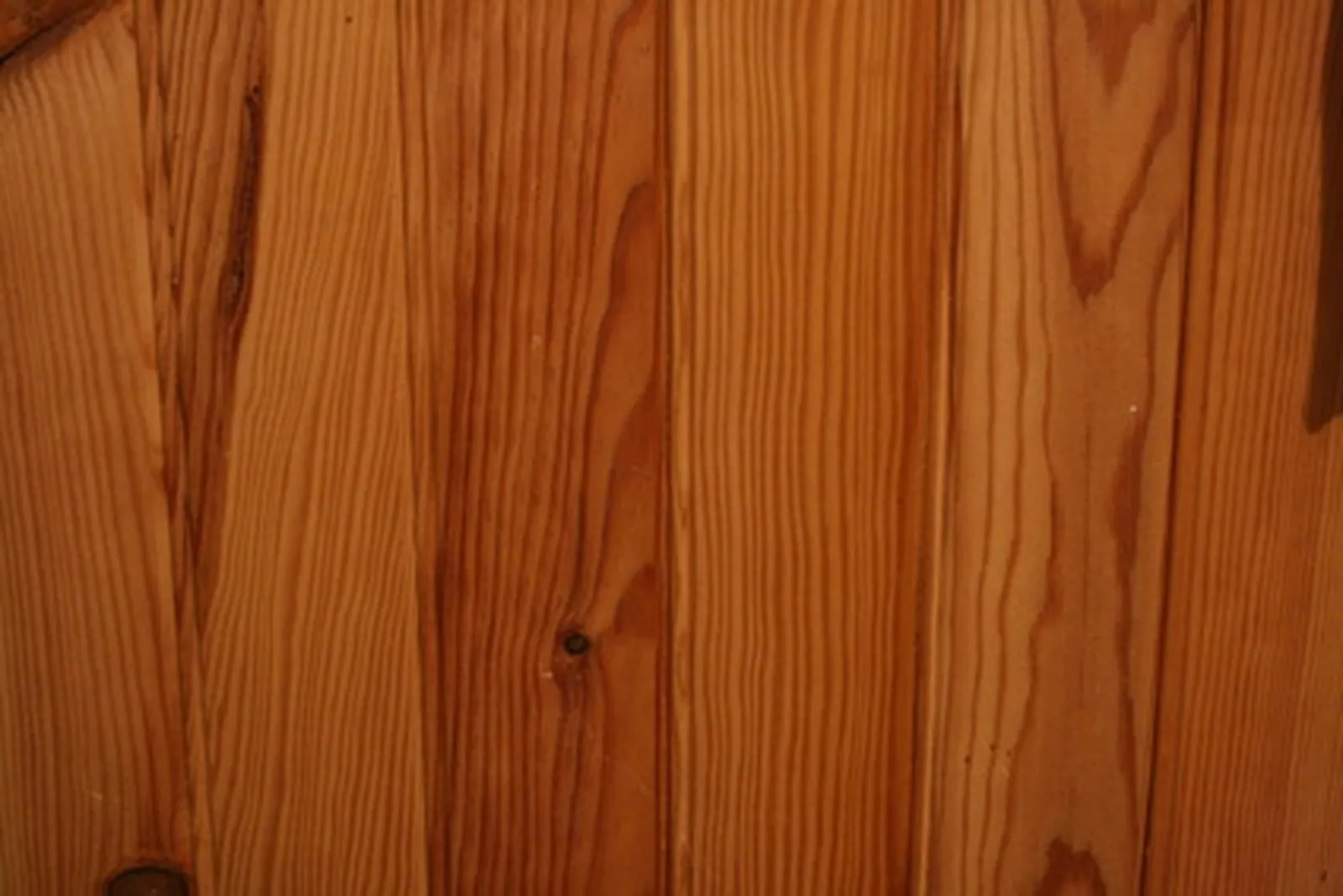
In the past, paneling was typically attached with nails, but glue later became a common alternative because it was simpler to apply. As paneling trends shift, some homeowners take the panels down to expose the plaster underneath. Adhesive often stays on the wall once the panels are gone, and ordinary supplies can be used to deal with that residue.
Metal awnings can be found in compact versions that cover windows and doors, as well as larger models that span a porch or an entire wall. Some homeowners appreciate their appearance and the shade they offer, while others do not. Additionally, the metal may develop rust or discoloration, which can make a house look run-down.
Grinding wheels cut steel quickly but tend to leave visible scratches behind. Getting rid of those scratches involves working through a series of increasingly fine abrasives, and with the right technique and materials, a smooth finish can be achieved.
Using a table saw to rip narrow wooden strips for crafts is hazardous, so hand tools offer a safer and cleaner alternative. Most thin wood can be sliced with a utility knife, diagonal pliers, or even scissors. Special veneer tape can be trimmed with ordinary paper-cutting tools.
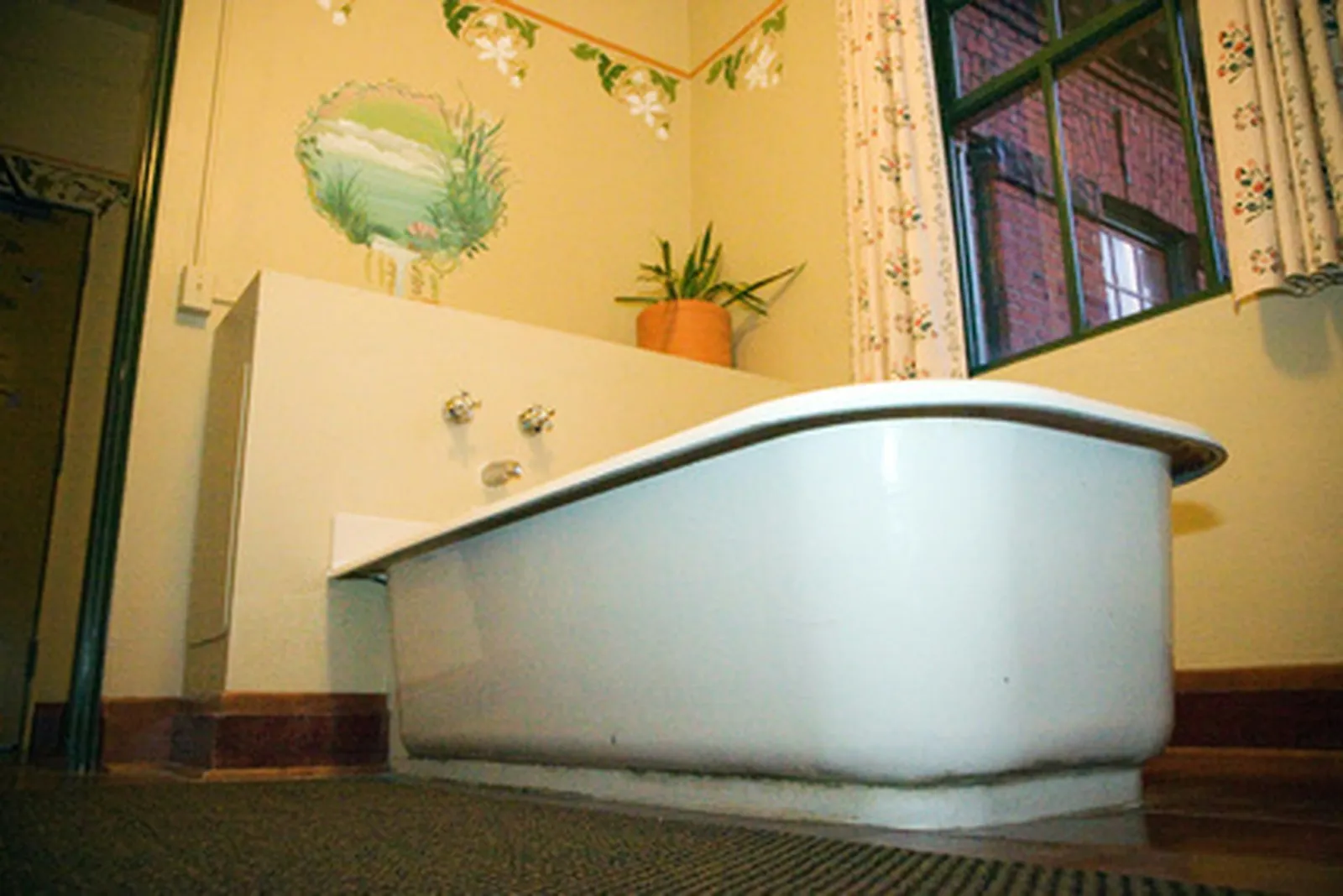
Cast iron bathtubs are known for their strength and traditional porcelain-enamel finish, but they can deteriorate with age, often developing rust and surface chips. Rust has the potential to spread, and chips can become entry points for rust. Addressing both issues helps bring back the tub's look and prevents additional harm. Various manufacturers offer kits designed for chip repair.
Adding onto an existing wall can define the boundary between two adjacent spaces, whether extending a short wall for a hallway-like entrance or enclosing a three-walled area. The process involves framing the new wall and then finishing it so it matches the original wall.
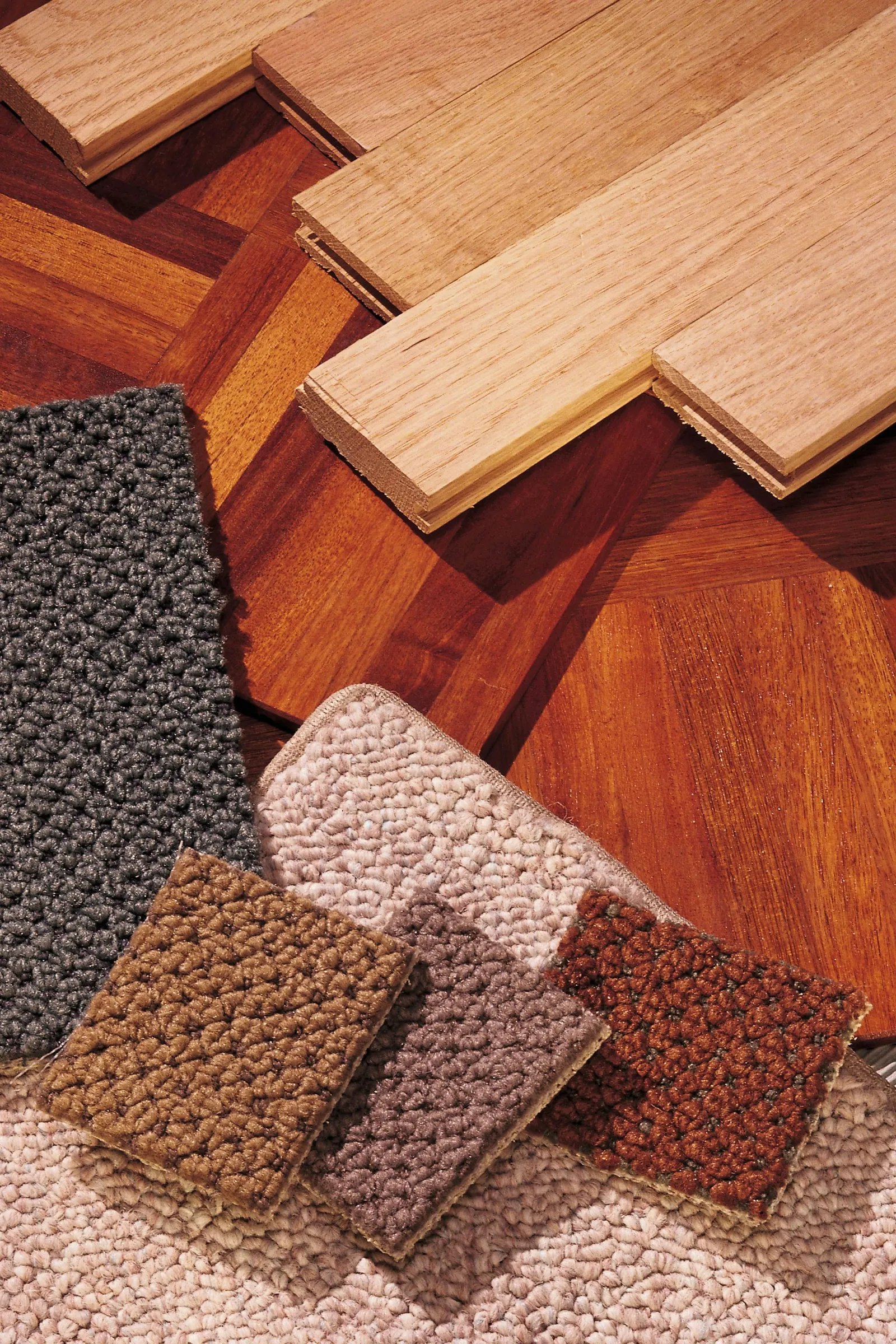
Foam padding under carpet may dampen sound, yet it can also generate its own unwanted noises. These sounds can stem from manufacturing flaws or point to underlying issues with the floor structure.
Rocks at the earth's surface break down when water from the hydrosphere or gases in the atmosphere alter their physical and chemical makeup. Human activities like pollution and acid rain can speed up this process. Different rock types respond to weathering in their own ways.
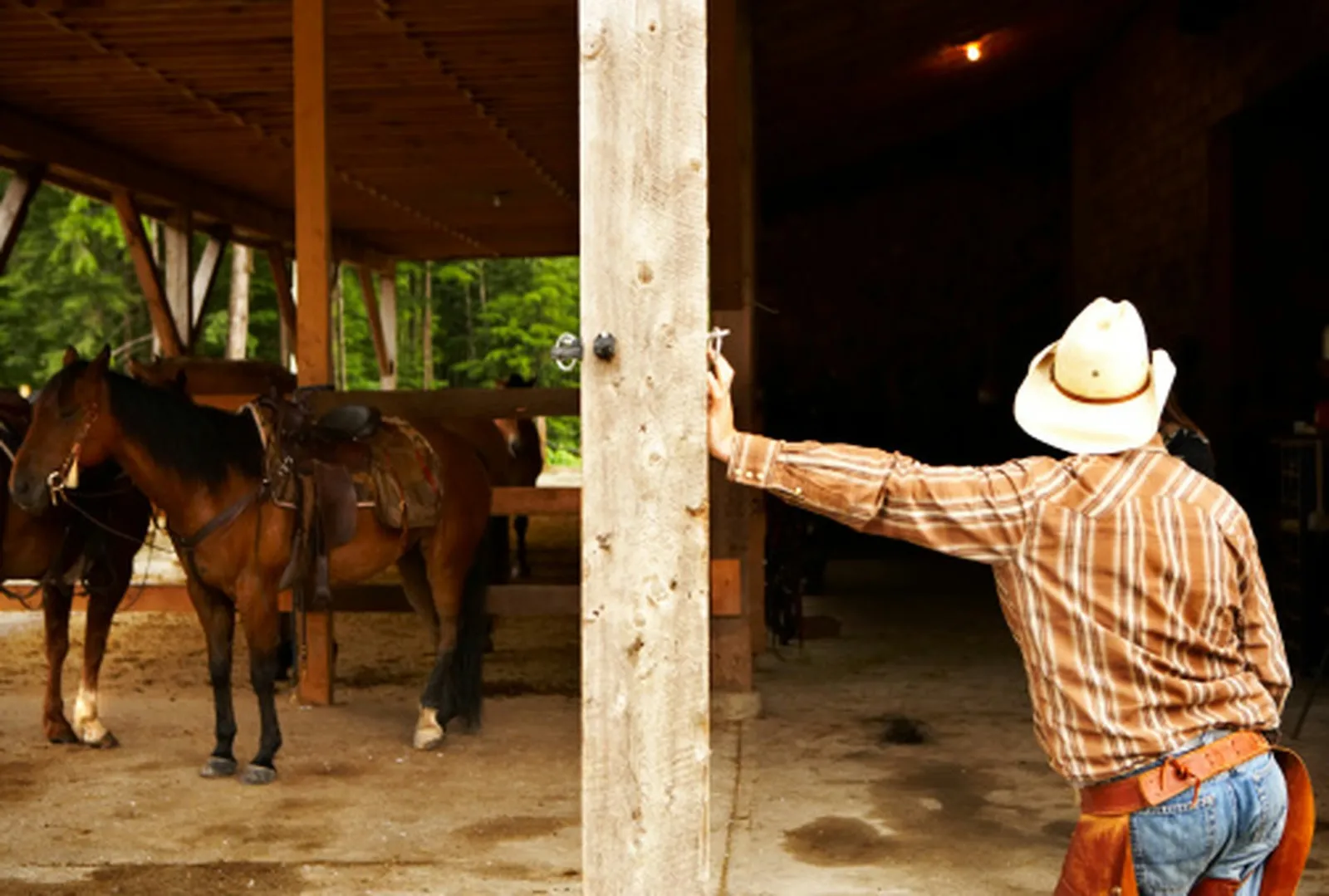
Pole barns feature posts along the sides, front, and back, and they may be partially or fully enclosed. This design flexibility lets you choose nearly any size. You can construct it on your own, bring in a builder, or purchase a prefabricated kit. No single standard dimension exists, but manufacturers of kits and builders usually provide common sizes suited to different purposes.
When choosing between engineered wood and porcelain tile, factors like dimensional stability, moisture resistance, and repairability come into play. Each material has distinct characteristics that lend themselves to specific installation contexts.
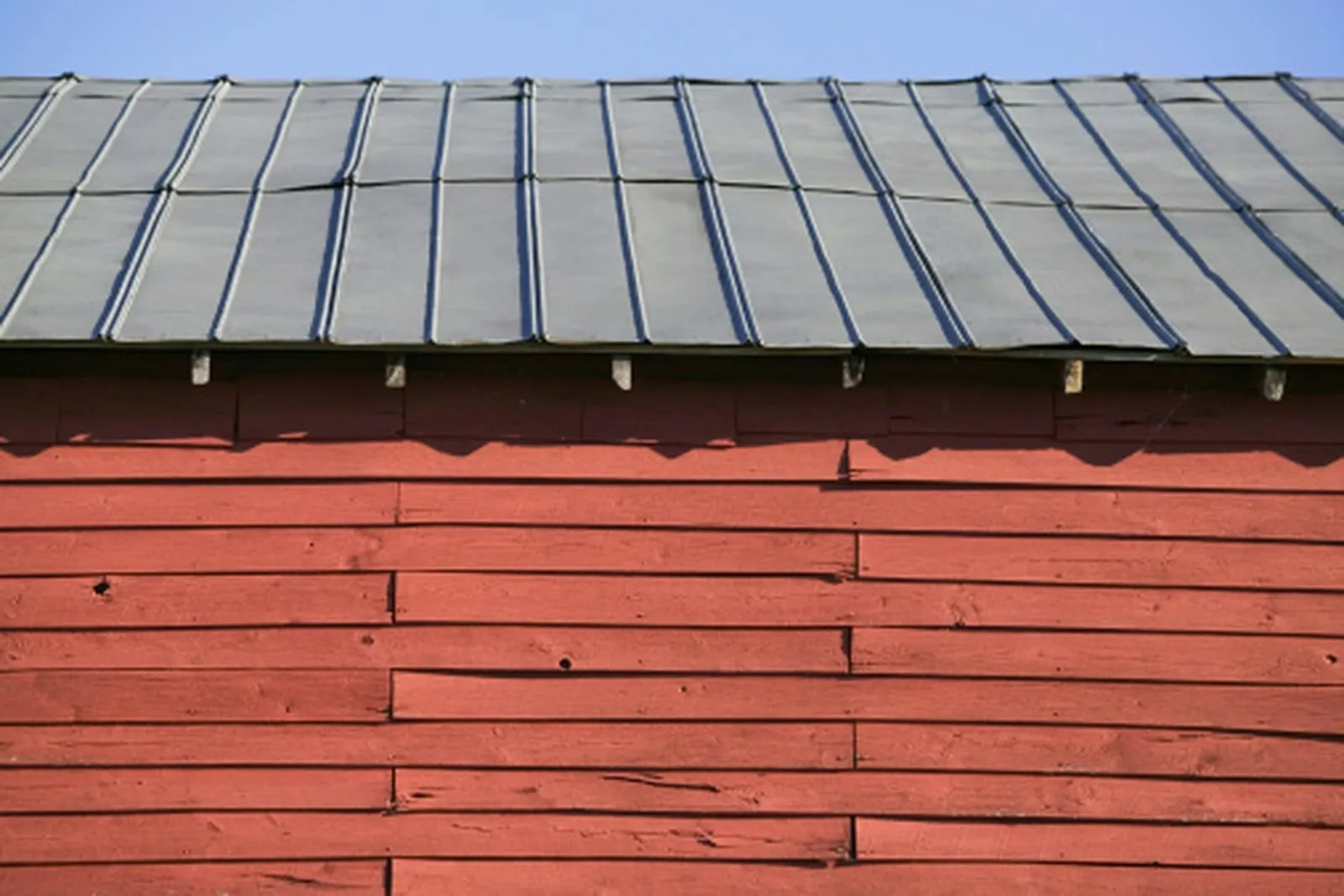
This guide covers the tools and steps for installing Everlast metal roofing panels. The panels are lightweight and durable, with a pre-applied corrosion inhibitor and interlocking ribs for a watertight seal. Their light color reflects heat and reduces noise. The process involves inspecting the roof, applying underlayment, installing drip edge, laying panels, and finishing with ridge caps and vent boots.
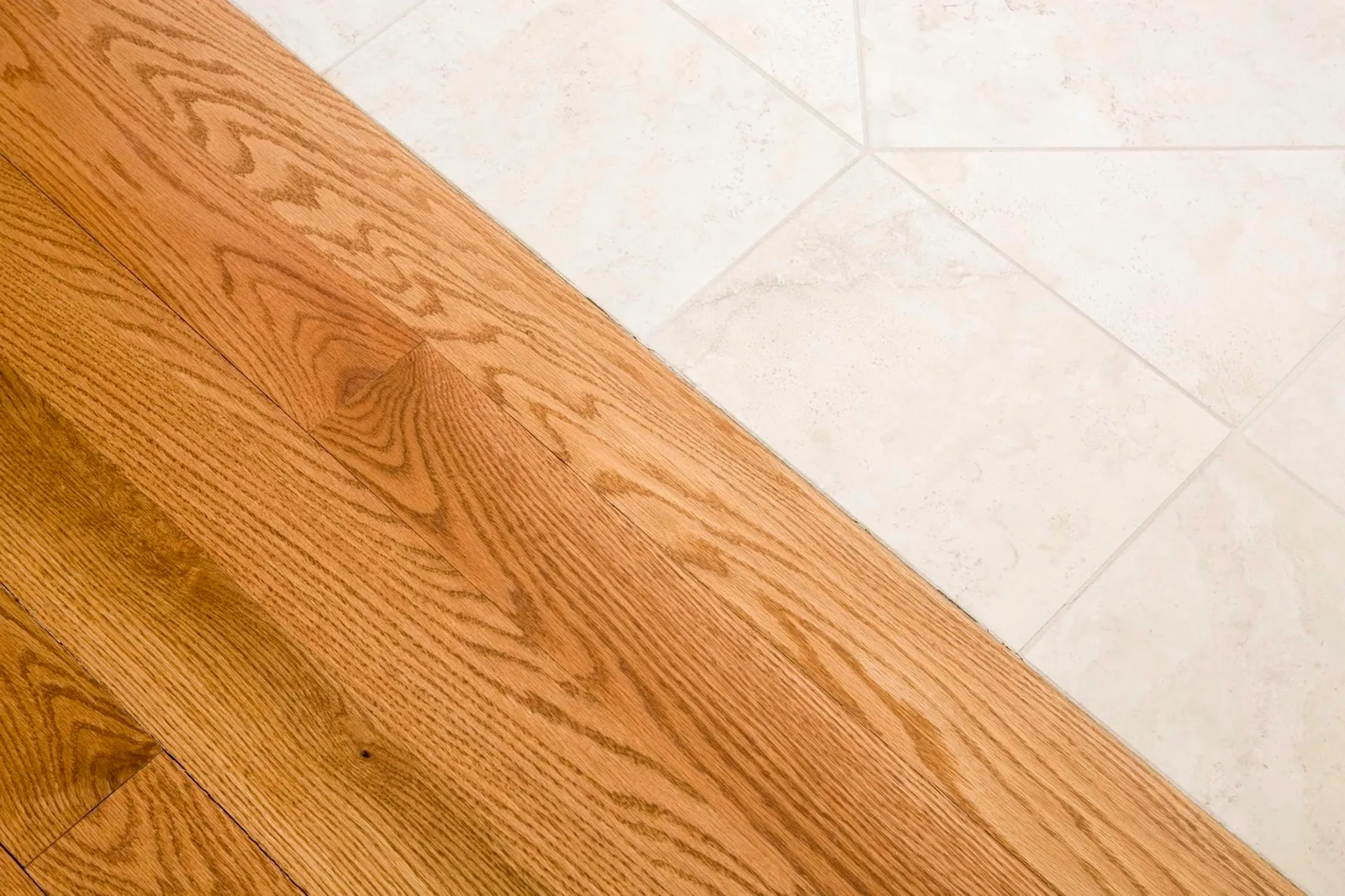
T-molding serves as a connector between different flooring surfaces, a transition piece between materials, or a finishing edge at the perimeter of a floor. Available options are typically synthetic—plastic or composite—though wood versions also exist. Installation methods generally fall into two categories: gluing the strip down or driving screws through a channel and clicking the top section into position. Certain approaches call for angled toe screws that sink below the molding surface.
A nut on a plumbing fixture may come off with just a wrench, but it can also be firmly stuck due to past over-tightening or the accumulation of calcium, rust, or lime around it. The right tools combined with some persistent effort typically get the job done.
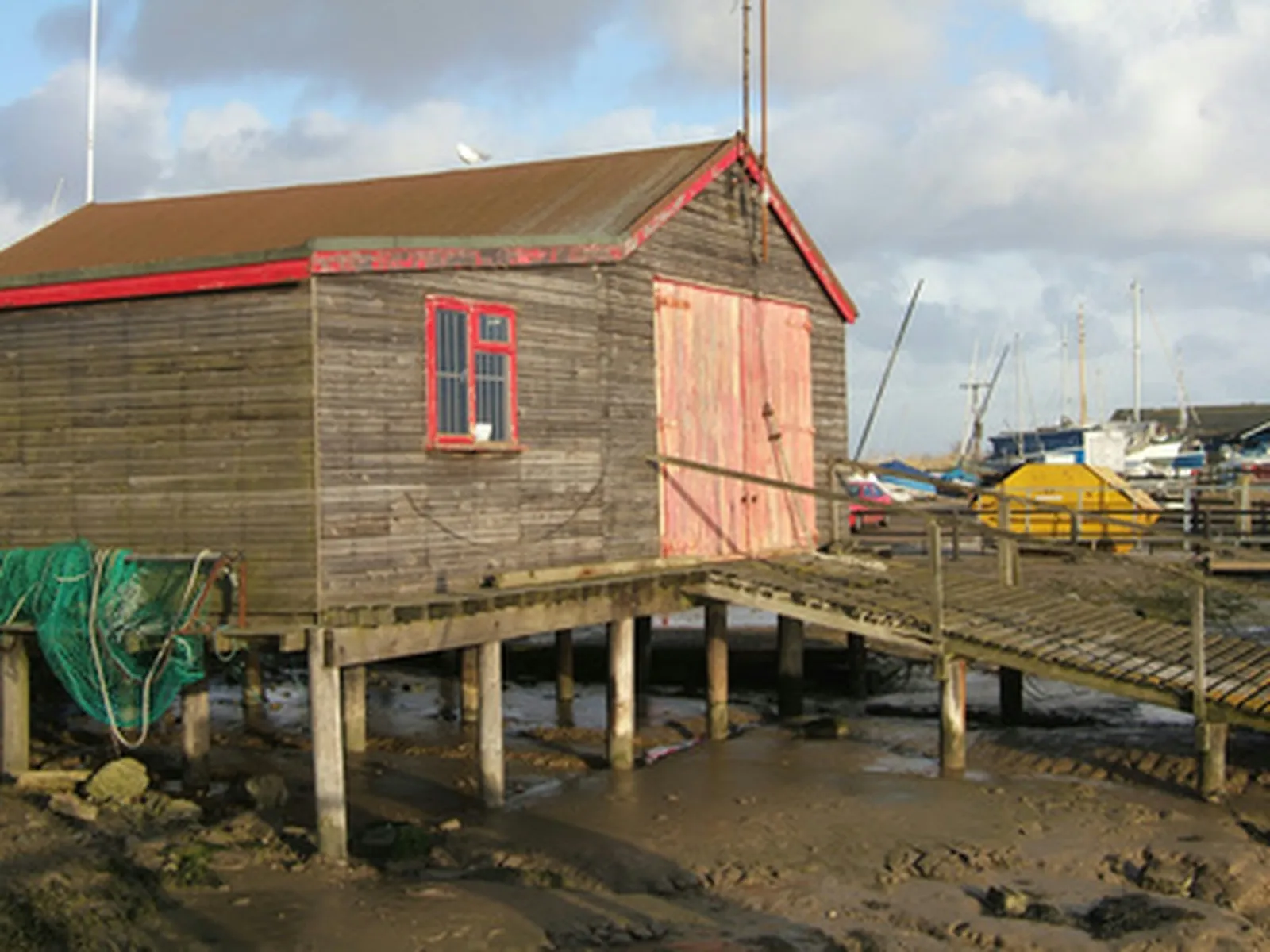
Homes elevated several feet off the ground by posts or pilings are known as pier foundation houses, sometimes called stilt homes. This construction method is common in coastal and wetland regions and is valued for flood resistance and cost savings.