Skip to content
Practical how-tos · new guides every week

Topic · 180 guides · Page 7

Home Repair

  • Home Maintenance

    A Guide to Maintaining a Cold Chisel's Cutting Edge

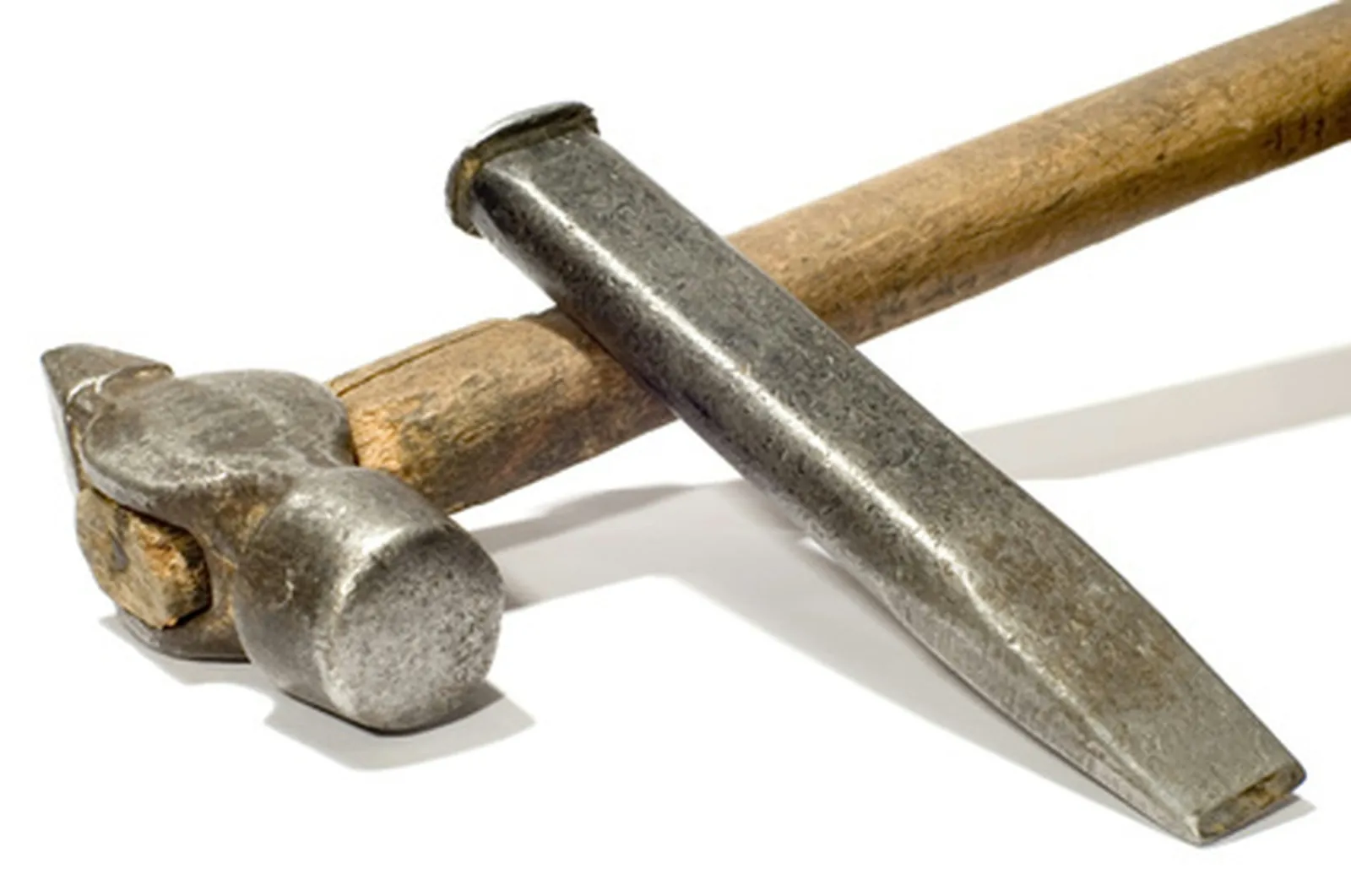
    Cold chisels, named for their use on metal that hasn't been heated, are usually crafted from treated steel rods with hexagonal or octagonal shapes. One extremity is tapered and ground to a sharp edge, while the opposite end is flat with beveled edges to endure hammer strikes. The tool is heat-treated for strength, and the cutting angle is chosen based on the metal being worked. Regular sharpening keeps the chisel usable for years.

  • Carpentry & Remodeling

    Understanding Rock Lath: A Legacy Plaster Base Material

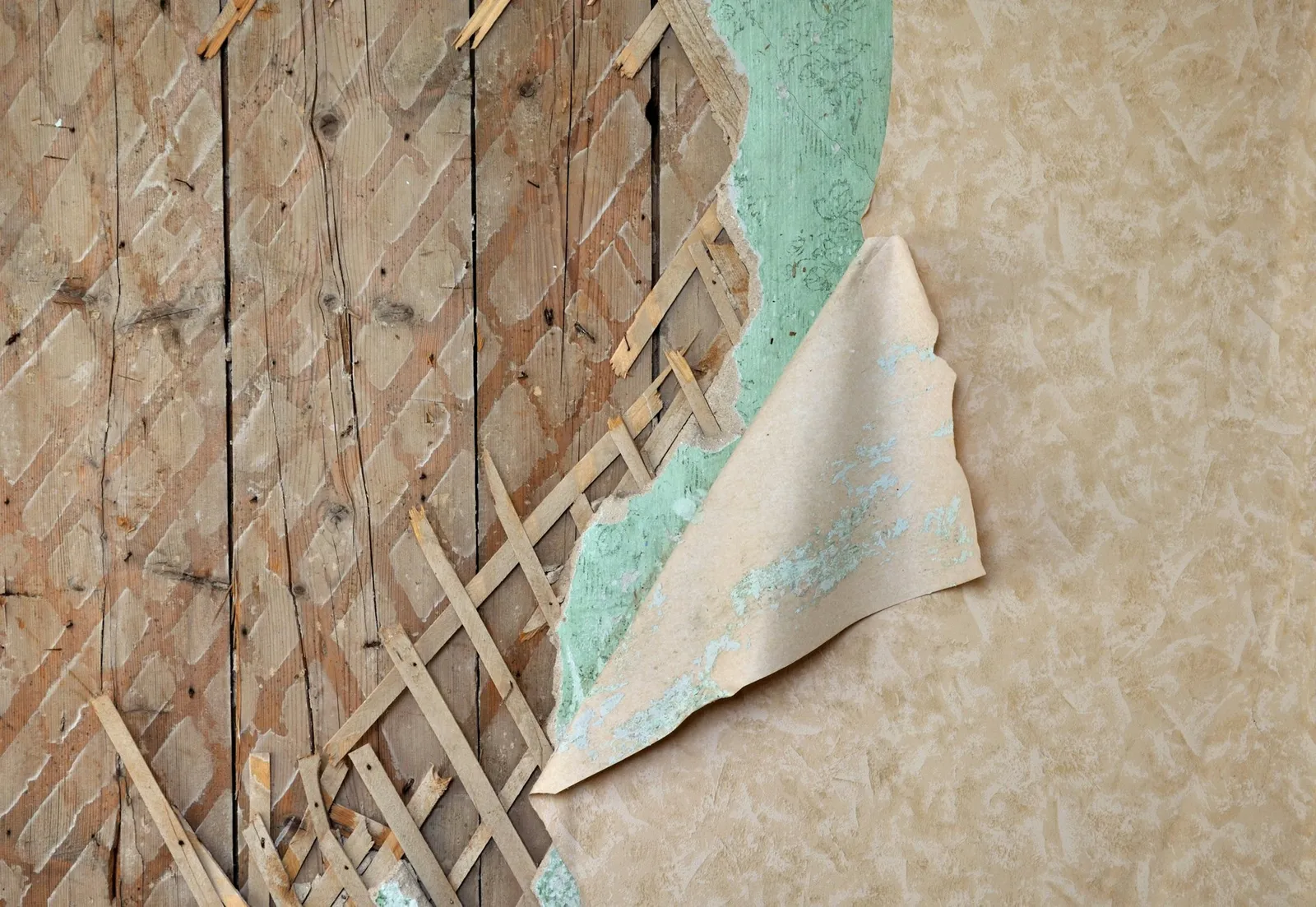
    Gypsum lath, commonly called rock lath or button board, serves as a traditional backing for plaster, alongside wood, metal, and veneer options. This material appears in walls and ceilings of numerous older commercial and residential structures, and today it is also used decoratively as an alternative to drywall.

  • Carpentry & Remodeling

    Safely Detaching Adhered Trim from Surfaces

    Trim that has been attached with adhesive can be taken off without harming the underlying surface, but the process calls for care. Simply yanking the trim loose risks damaging either the trim itself or the material it sits on. Applying heat softens the bond, allowing the trim to be separated while keeping both the trim and the surface in good condition.

  • Carpentry & Remodeling

    Stabilized Adobe Brick Production: A Step-by-Step Guide

    In many parts of the United States, building regulations mandate the inclusion of a stabilizer, like liquid asphalt emulsion or Portland cement, when forming adobe bricks. Semi-stabilized bricks receive partial stabilization to shield them from rain while drying, whereas fully stabilized bricks offer high water resistance and can endure weather exposure with reduced risk of cracking or erosion.

  • Carpentry & Remodeling

    Evaluating Spray Foam Insulation for Roof Rafters: Benefits and Drawbacks

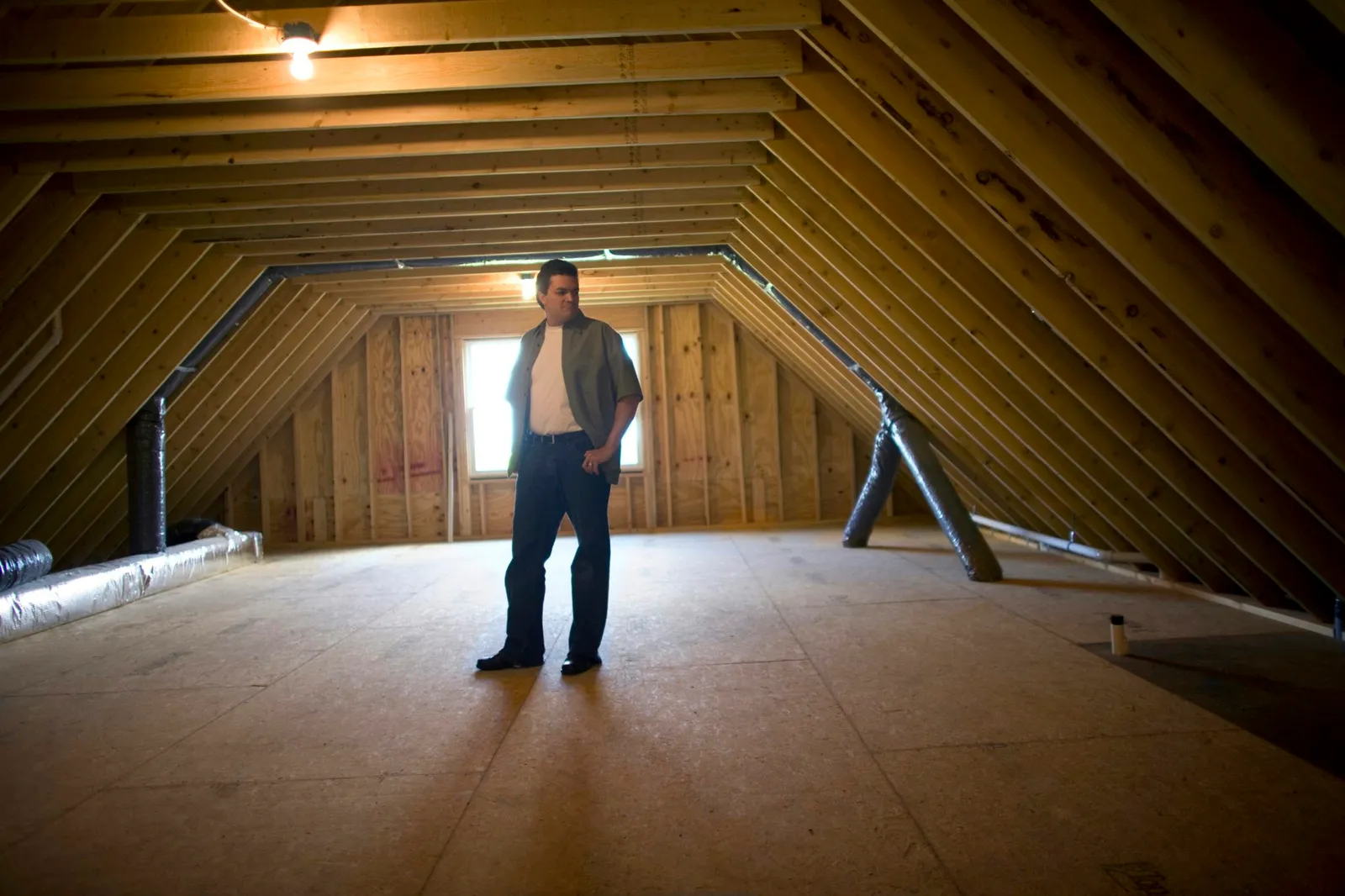
    Applying spray foam insulation to roof rafters and attic surfaces presents both positive and negative aspects. Although the upfront expense tends to be higher, it can reduce utility costs and may be a do-it-yourself project with contractor guidance. On the other hand, poor application quality can reduce effectiveness, and open-cell foam that isn't sealed may take in moisture, potentially leading to roof decay or leaks.

  • Home Maintenance

    Effective Methods for Fixing Compressed Particle Board

    Particle board is an engineered wood product created by combining wood fragments, sawdust, and adhesive, then pressing and heating the mixture. It is commonly used in building and furniture. Repairing damaged particle board yourself can eliminate the expense of buying new materials and the hassle of replacement.

  • Carpentry & Remodeling

    Building a Concrete Pad for a Car Lift: A Step-by-Step Guide

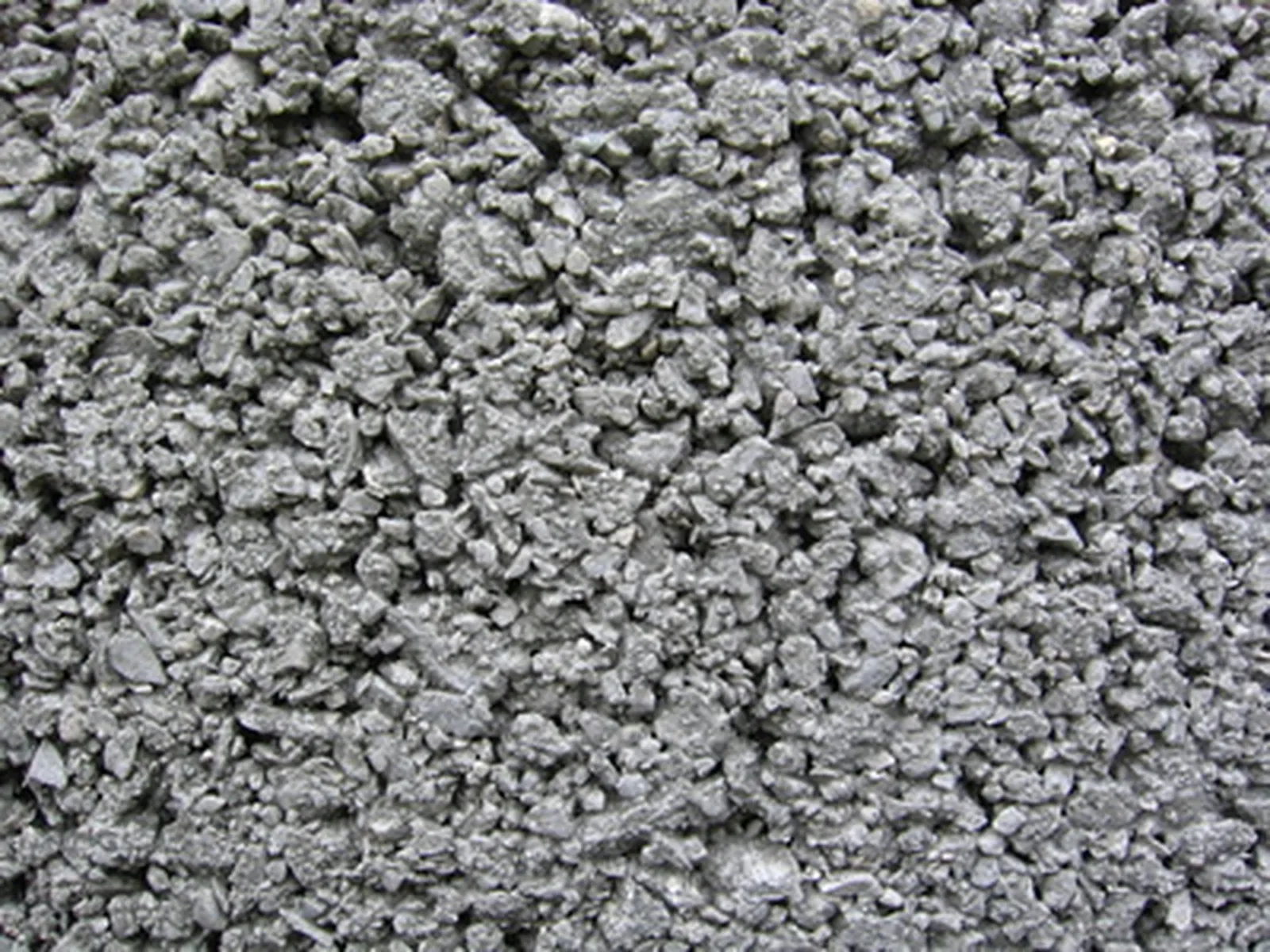
    Concrete is made from Portland cement, crushed rock, sand, gravel, and water. The water gives it workability until it hardens, after which it becomes extremely durable. Although often overlooked, concrete is also fire-resistant. To support a car lift, the concrete must be at least 5 inches thick, reinforced with rebar, and have a compressive strength of 3,000 pounds per square inch. Car lifts may have two or four posts, and each post requires its own pad.

  • Home Maintenance

    Testing a 12-Volt Light with a Voltmeter: A Step-by-Step Guide

    A 12-volt light's brightness reflects the voltage present at its rear terminals, and these lights typically draw power from a 12-volt battery that is controlled by a switch. By measuring both the battery's voltage and the voltage at the bulb's terminals, you can determine whether the light itself is functioning properly.

  • Carpentry & Remodeling

    Cutting Metal with an Angle Grinder: A Safe Approach

    An angle grinder is a handheld power tool built for slicing through materials that are too thick or tough for standard blades. Instead of a toothed cutting edge, it relies on a substantial abrasive wheel, which lets it work through metal and similar dense substances without harming the tool. Using one on metal calls for certain safety measures.

  • Carpentry & Remodeling

    Determining the Correct Structural I-Beam Dimensions

    The I-beam's profile resembles the capital letter "I", consisting of two horizontal flanges connected by a vertical web. Large-scale building endeavors, including high-rises and structures designed to bear heavy loads like multi-level parking facilities, frequently rely on steel I-beams. Selecting the right beam size for a given construction job requires knowing the load that will be imposed on the beam.

  • Carpentry & Remodeling

    Replacing a Fiberglass Shower Base in a Mobile Home

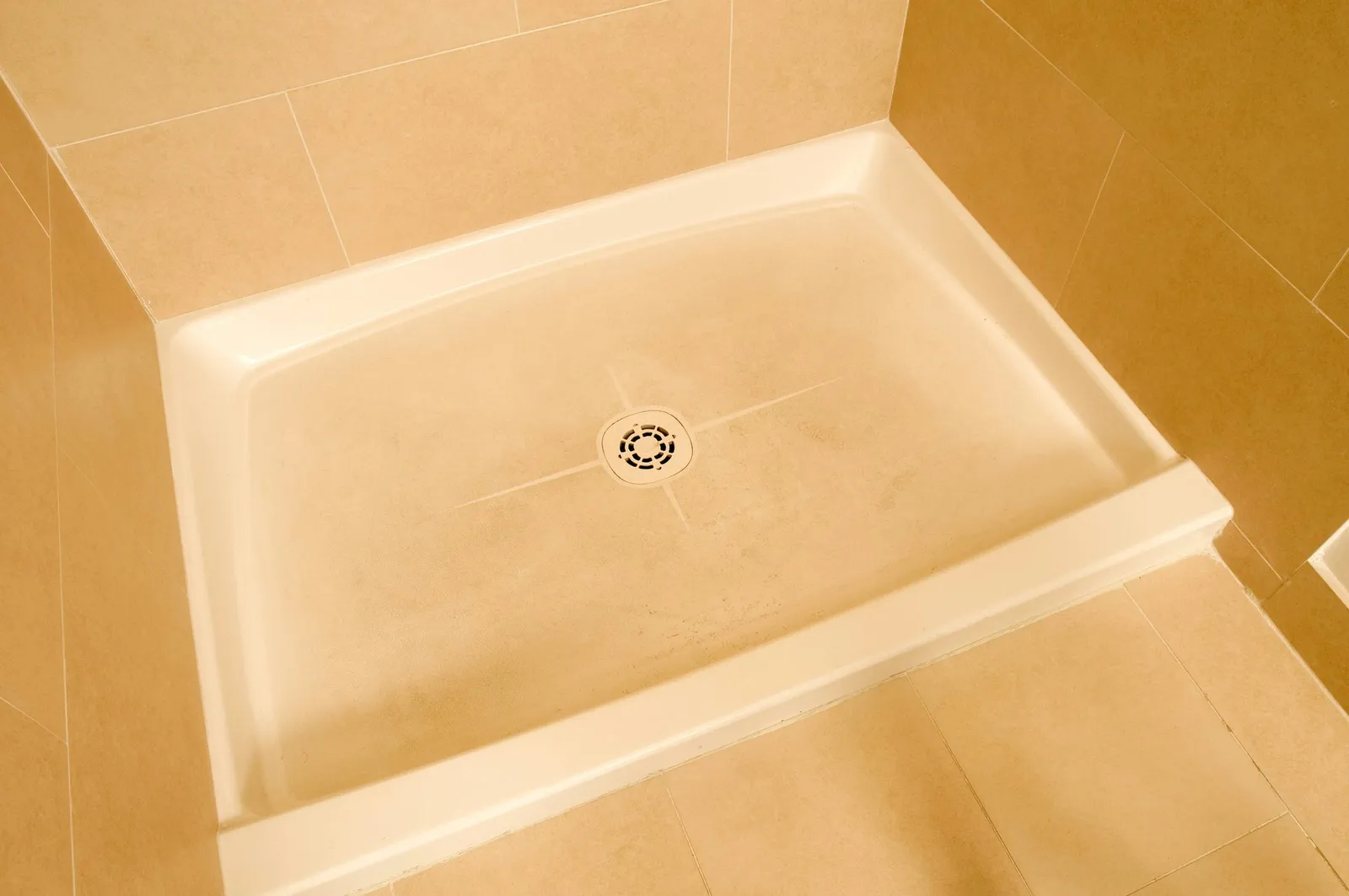
    The fiberglass shower base in a mobile home is fastened to the plywood subfloor and connects to a floor drain. When it gets cracked, damaged, or just looks old, you may need to swap it out. The process is similar to a standard home, but the plumbing underneath is reachable.

  • Carpentry & Remodeling

    How to Use Bernzomatic Lighters with Flexible Stems

    Bernzomatic, a well-known US maker of blowtorches, offers a range of gas lighters with flexible stems that are suitable for lighting torches, grills, and other household items. These lighters feature adjustable flames, gas-level windows, and electronic ignition (no flints needed), and they come with large, comfortable handle buttons.