Skip to content
Practical how-tos · new guides every week

Crafts · 66 guides · Page 2

Art Projects

  • Art Projects

    Two Ways to Harden Salt Dough Creations: Oven vs. Air

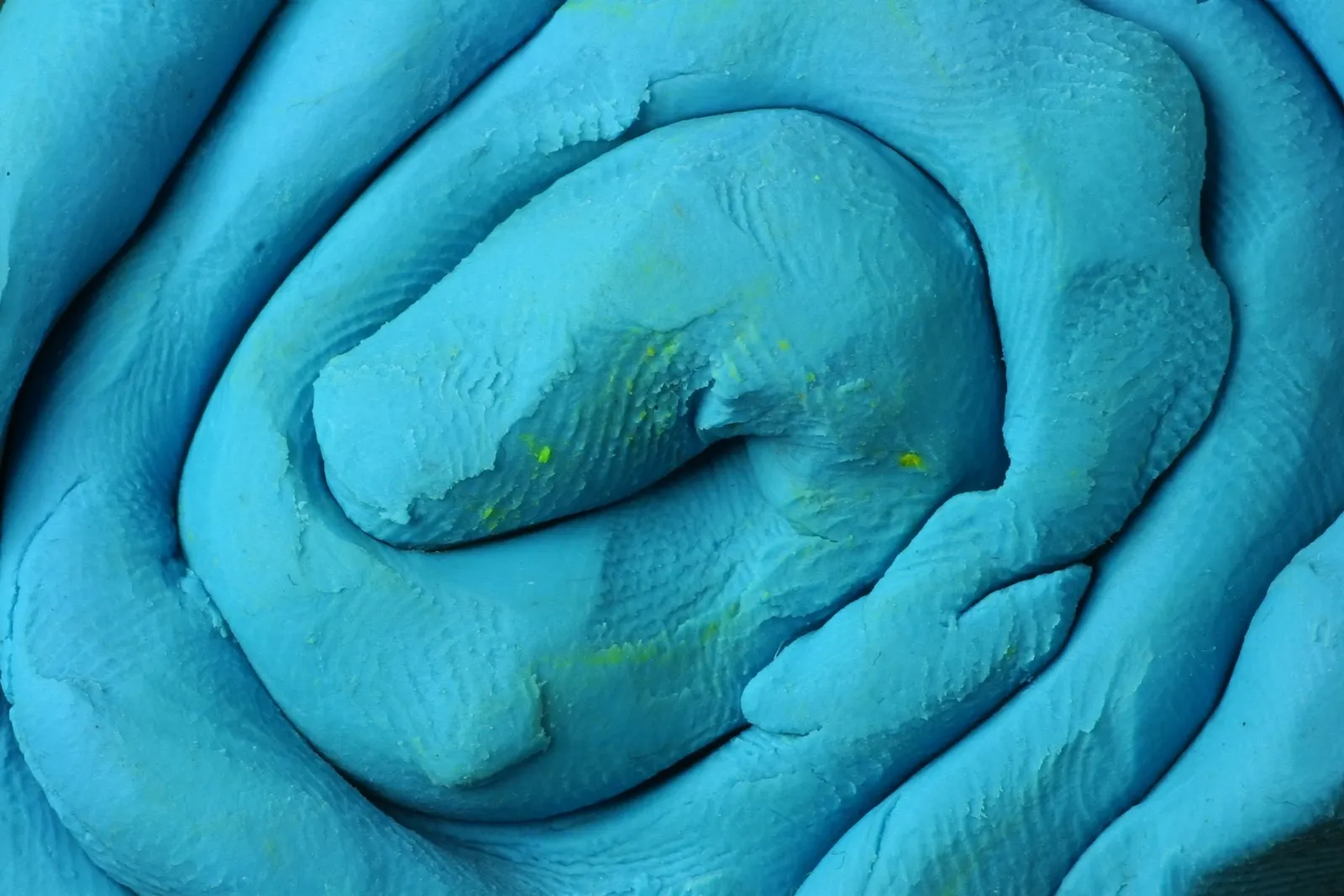
    Salt dough offers a safe, non-toxic option for kids' crafts, letting them build figures, jewelry, or ornaments and reuse the dough as needed. Drying can be done in the oven or by letting pieces sit out in the air; the oven approach tends to preserve finished items longer and reduces the chance of bubbling.
  • Art Projects

    Two Ways to Create Your Own Paper Quilling Strips

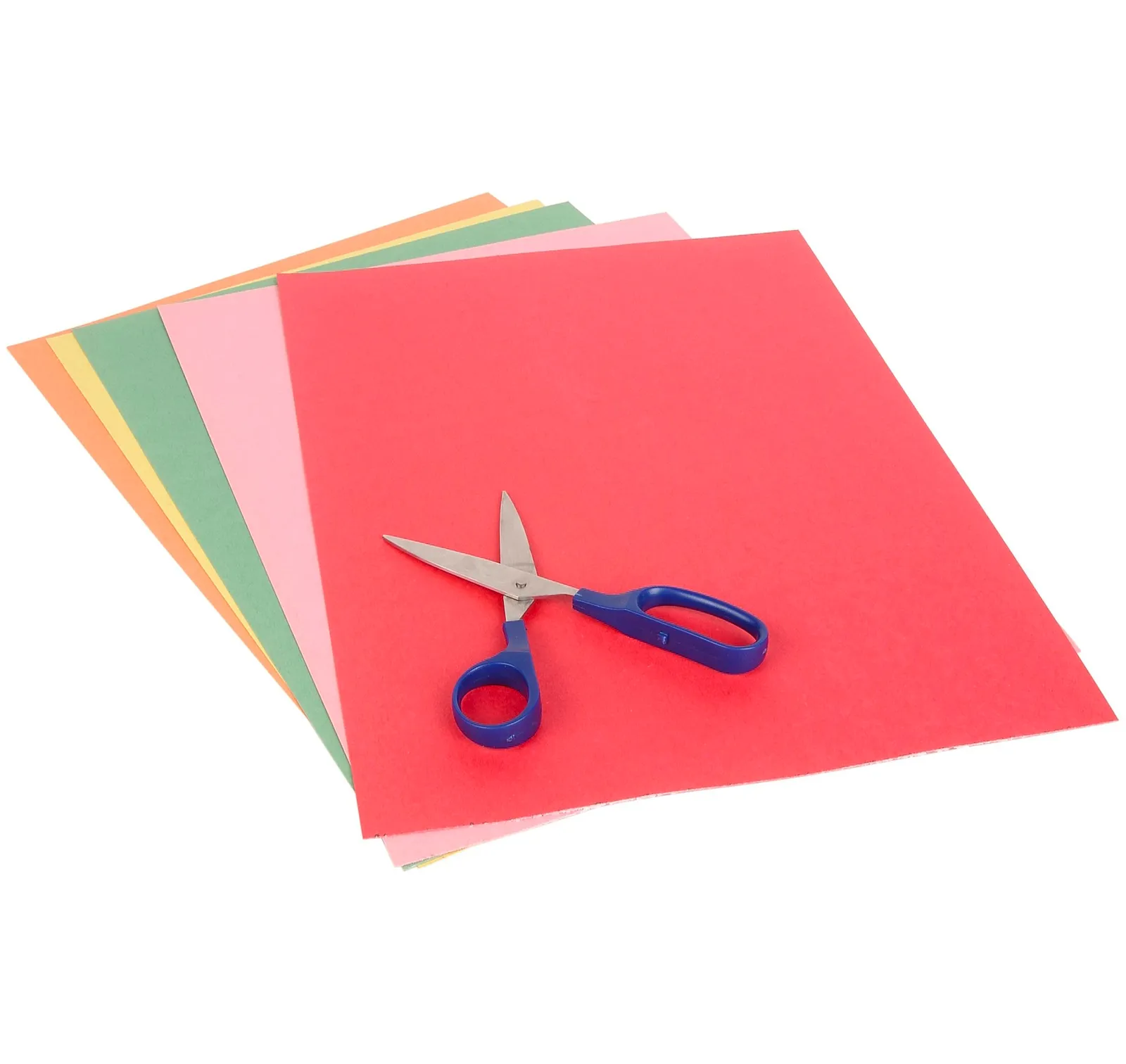
    Quilling, also called paper filigree or paper rolling, involves rolling narrow paper strips into coils that are then attached to a flat base. Producing your own strips can reduce the cost of starting this craft. This guide covers cutting strips with a rotary cutter or a paper cutter.

  • Art Projects

    Building a Double Helix: Clay-Based DNA Model Construction

    Deoxyribonucleic acid serves as the fundamental molecule of heredity, with its base sequence along the sugar-phosphate framework encoding instructions for biological functions. Constructing a physical representation of DNA's structure can aid in comprehending how the molecule operates during transcription and replication, as noted by the U.S. National Library of Medicine. Inexpensive materials such as colored modeling clay and floral wire make it possible to assemble a hands-on DNA model.

  • Art Projects

    Supplies and Setup for Drawing Caricatures

    Caricature has a serious artistic pedigree, counting Leonardo Da Vinci and Monet among its practitioners. The form relies on exaggerated bodily proportions, typically pairing oversized heads with compact, energetic bodies shown skateboarding, bowling or battling villains. Long used to mock politicians by rendering them absurd, caricature calls for specific tools and an understanding of the person being drawn.

  • Art Projects

    Making Vinyl Decals Adhere More Effectively

    Vinyl stickers can enhance the look of a car or a room, but their staying power depends on proper surface preparation and application. This guide walks through the steps for both automotive and wall surfaces, including the tools you'll need and the techniques that help the adhesive bond securely.

  • Art Projects

    Crafting a Decorative Wreath from a Hanger and Plastic Bags

    Store-bought custom wreaths often carry a hefty price tag of fifty dollars or more. With just a wire hanger and a box of cheap sandwich bags, you can assemble a surprisingly refined wreath at home. This project uses common household items and allows for personalized touches like ribbons or seasonal ornaments.

  • Art Projects

    Making Antique-Looking Ink from Walnut Shells

    You can create a water-based ink that gives paper an aged, antique appearance by using walnut shells and a few household items. This guide walks through the process of extracting color from the shells and turning it into a usable ink.

  • Art Projects

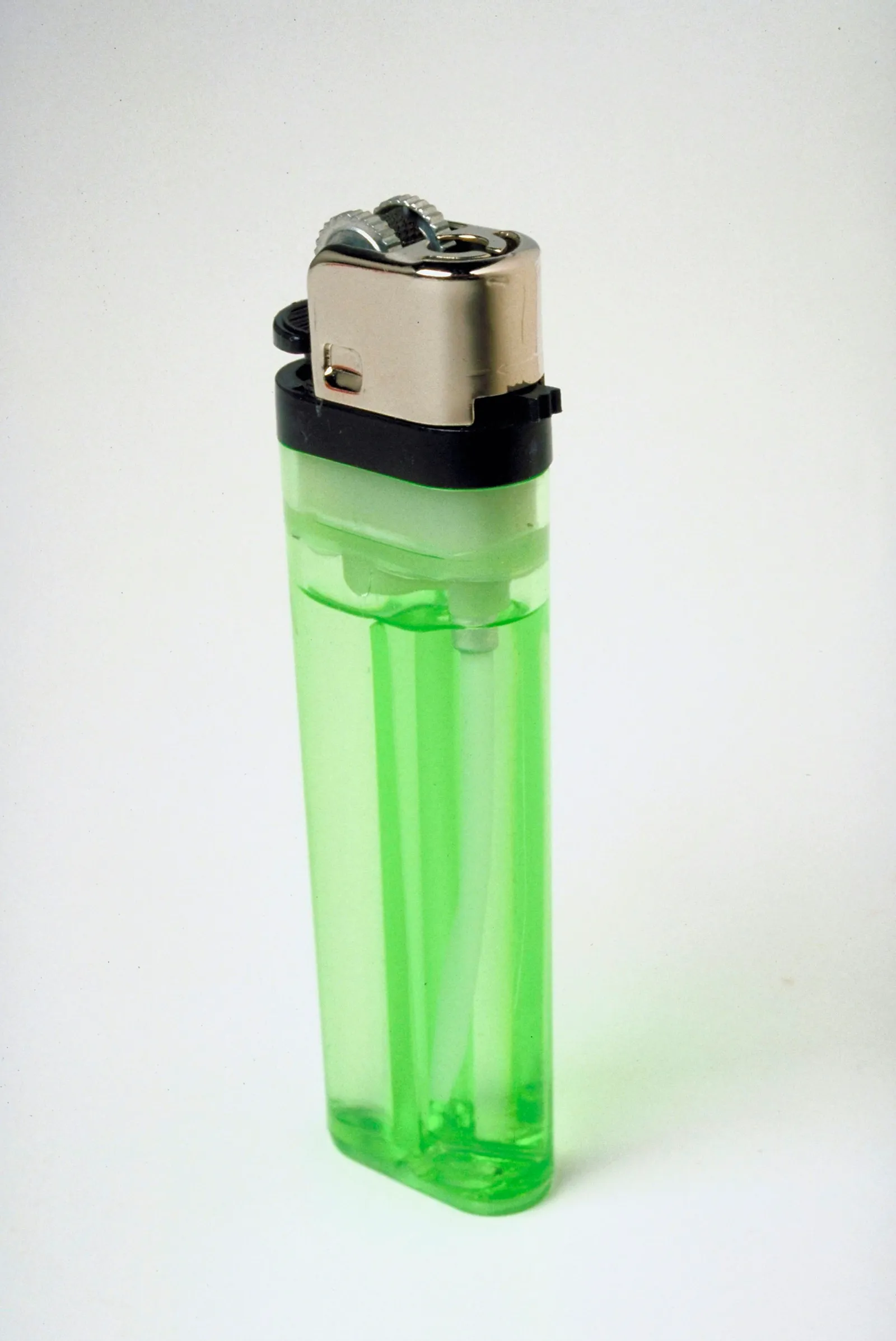
    DIY Lamp Oil Using Isopropyl Alcohol and Water

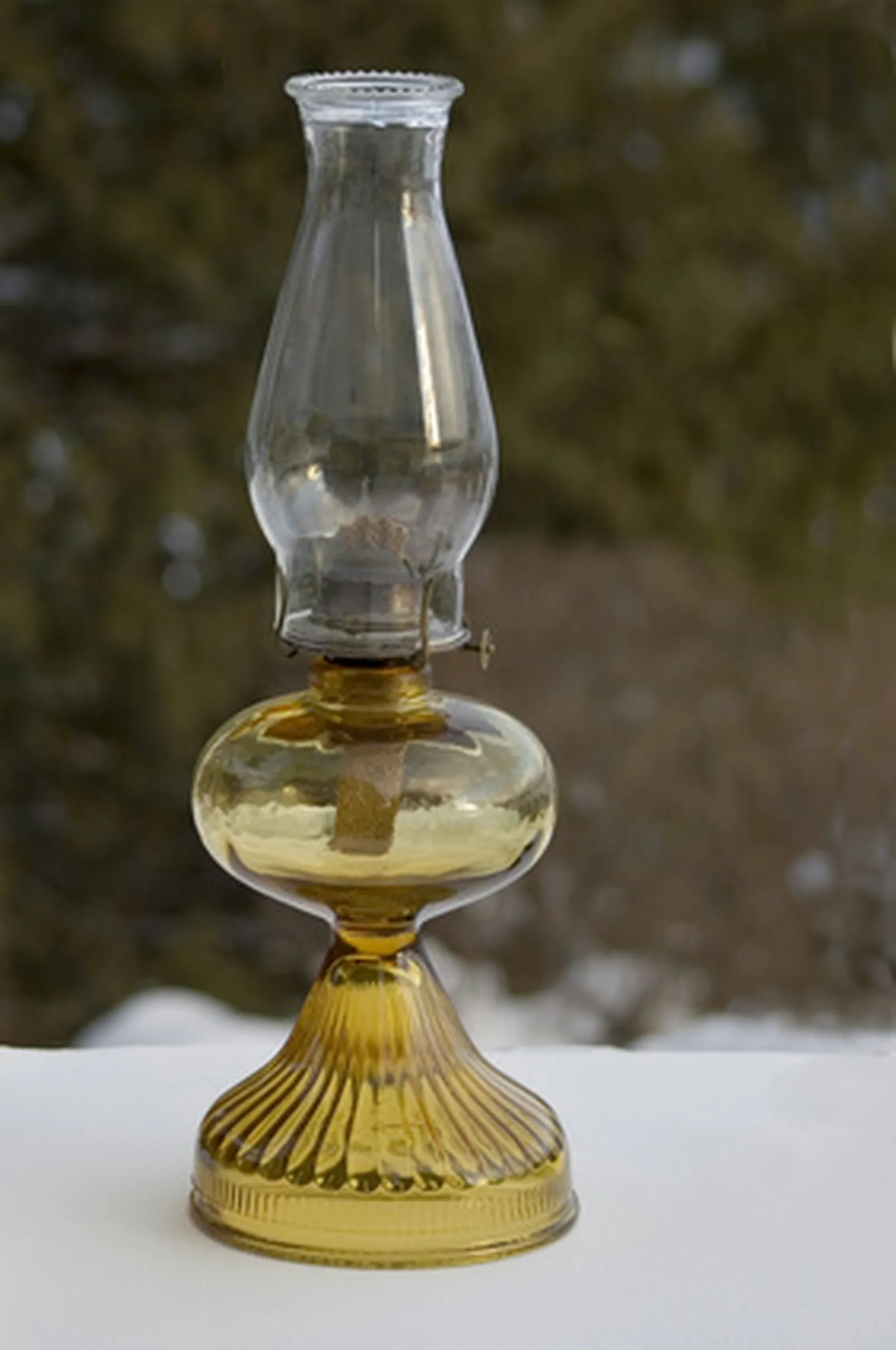
    You can create your own lamp fuel by combining isopropyl alcohol with distilled water, and optionally adding essential oil for scent. The alcohol should be the 91 or 99 percent variety found in stores selling rubbing alcohol; rubbing alcohol itself is not suitable. Always label the storage container to avoid mix-ups with rubbing alcohol.

  • Art Projects

    From Marsh to Mat: Processing and Weaving Cattail Leaves

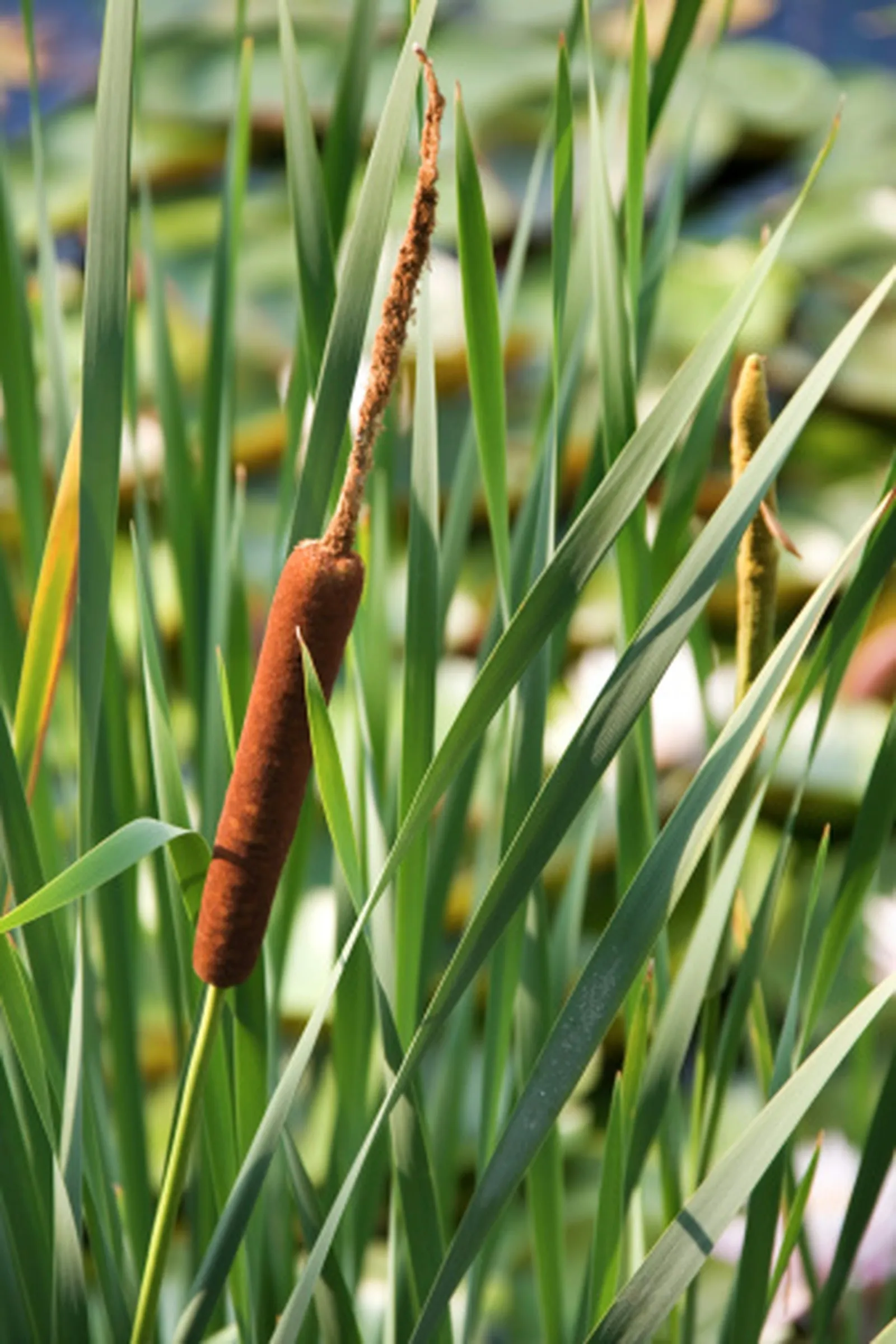
    Found throughout North American wetlands, cattails stand out with their tall, flat foliage and unique flower spikes that can grow 3 to 10 feet tall. The U.S. hosts two varieties: broad-leaf and narrow-leaf cattail. Indigenous peoples traditionally crafted mats, baskets, bags, shoes, military gear, and toys from cattails using finger weaving and braiding. Modern makers expand this repertoire with hats, place mats, and chair seats.

  • Art Projects

    Distinguishing Dawn and Dusk on Canvas: A Painter's Guide

    For artists, capturing the right atmosphere means knowing how morning and evening light differ. Both times of day share certain visual qualities, yet the hues, the activity around you, and the behavior of light itself give each one a distinct signature that can be translated into paint.